
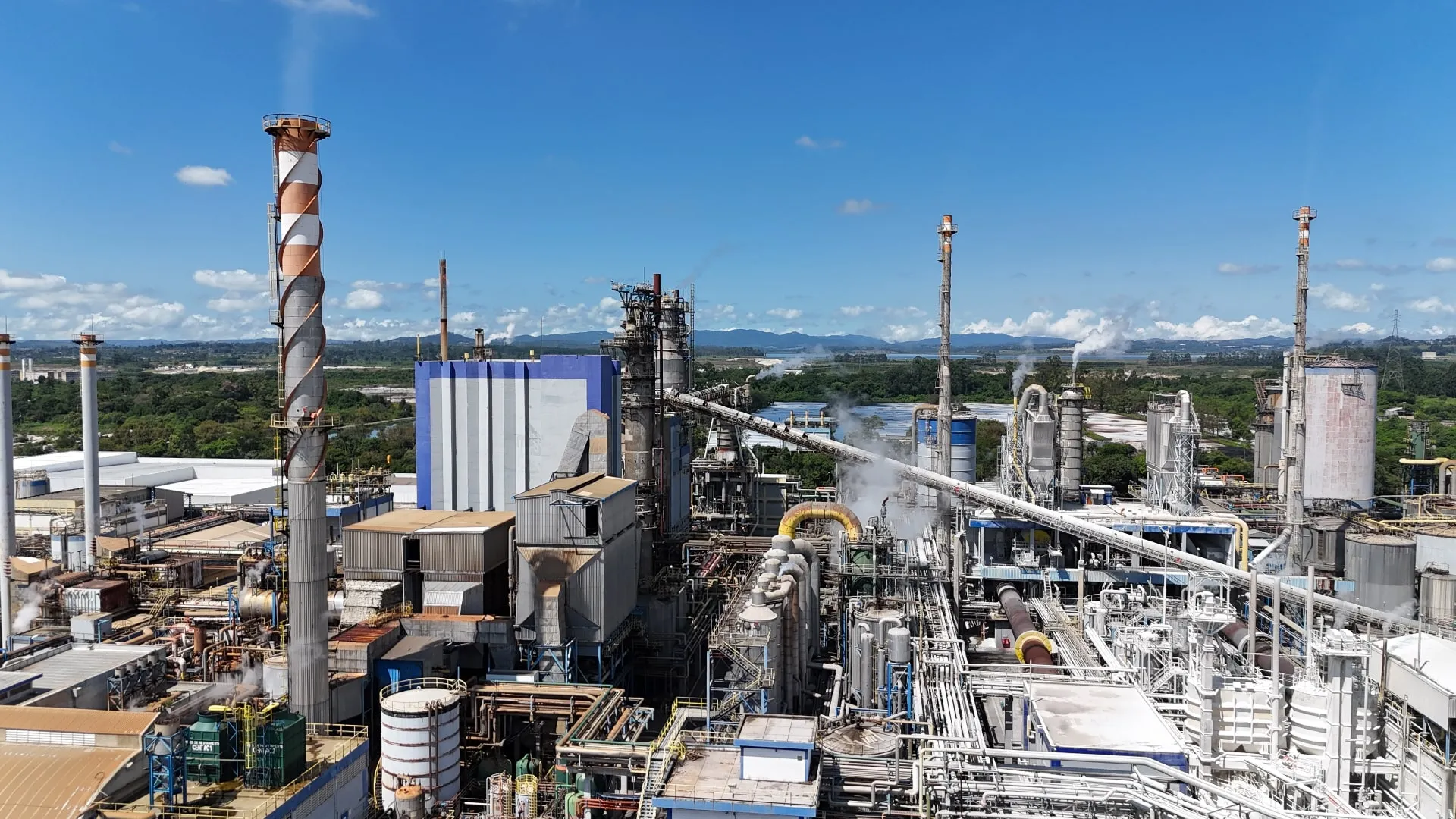
Drone Inspection – Paper & Pulp Industry – WITHOUT Scaffolding, WITHOUT Confined Space Entry
Kopterflug inspects digesters, bleach towers, evaporation plants and process vessels in the paper and pulp industry – without human entry, without respiratory protection, without DGUV confined space procedures. 4K documentation, thermography and LiDAR 3D scanning in a single flight.
- No human entry into chemically hazardous spaces
- 4K + LiDAR + Thermography in a single flight
- BetrSichV-compliant documentation as basis for certified inspectors
- Minimal downtime – hours instead of days
Drone Inspection in Paper & Pulp Plants: Safe, Without Entry, with Reliable Data
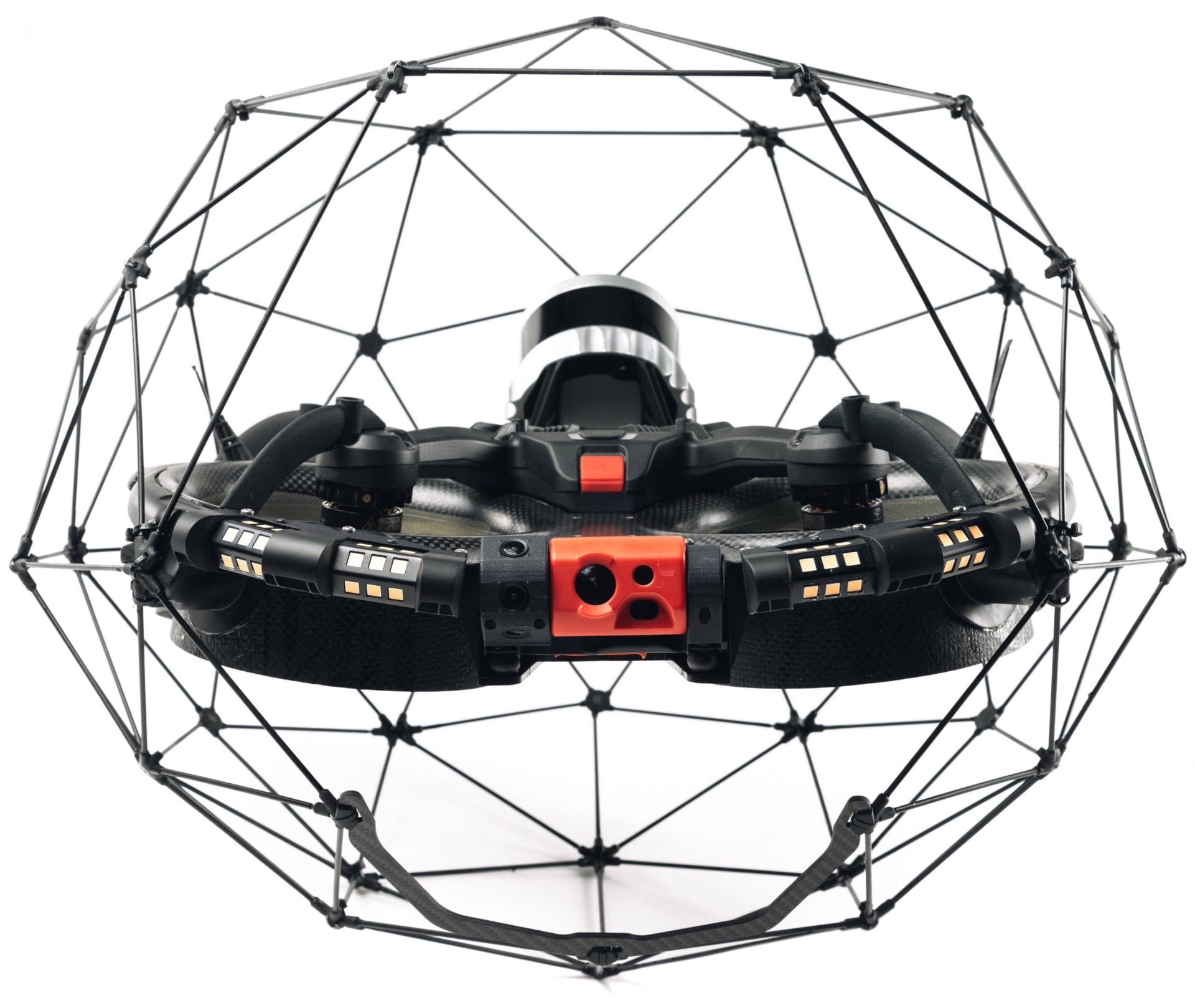
The ELIOS 3 with its collision-safe carbon cage – built for contaminated digesters, bleach towers and process vessels.
Digesters and bleach towers operate with aggressive caustics and chemicals – confined space entry requires respiratory protection, chemical protective clothing and elaborate DGUV safety measures. The Flyability ELIOS 3 flies into digesters, bleach towers and evaporation vessels – after flushing and gas-free clearance, without human entry, with 4K + LiDAR + thermography. Minimal downtime, maximum safety, complete documentation.
What We Inspect in the Paper & Pulp Industry
Digesters, bleach towers, evaporation plants and pulp preparation vessels – large-volume process equipment, corrosive media, narrow access. We inspect all safety-critical assets without human entry:




Flyability ELIOS 3 – Inspection Without Human Entry
Our services:
- Digesters, Bleach Towers & Process Vessels: Narrow, tall vessels with corrosive chemicals – without human entry, without respiratory protection, without DGUV confined space overhead. Gas-free measurement before flight included.
- 4K + LiDAR + Thermography: Lining damage, encrustations, weld cracks – captured visually and in 3D. Thermography reveals voids behind linings and heat loss zones.
- No scaffolding, no access logistics: No chemical protection team, no scaffolding, no rescue team. Drone inspection is a fraction of conventional costs – with significantly shorter downtimes.
- BetrSichV-compliant documentation: Auditable reports with 4K footage and LiDAR data as basis for certified inspectors per Betriebssicherheitsverordnung and TRBS 1201.
Challenges in the Paper & Pulp Industry
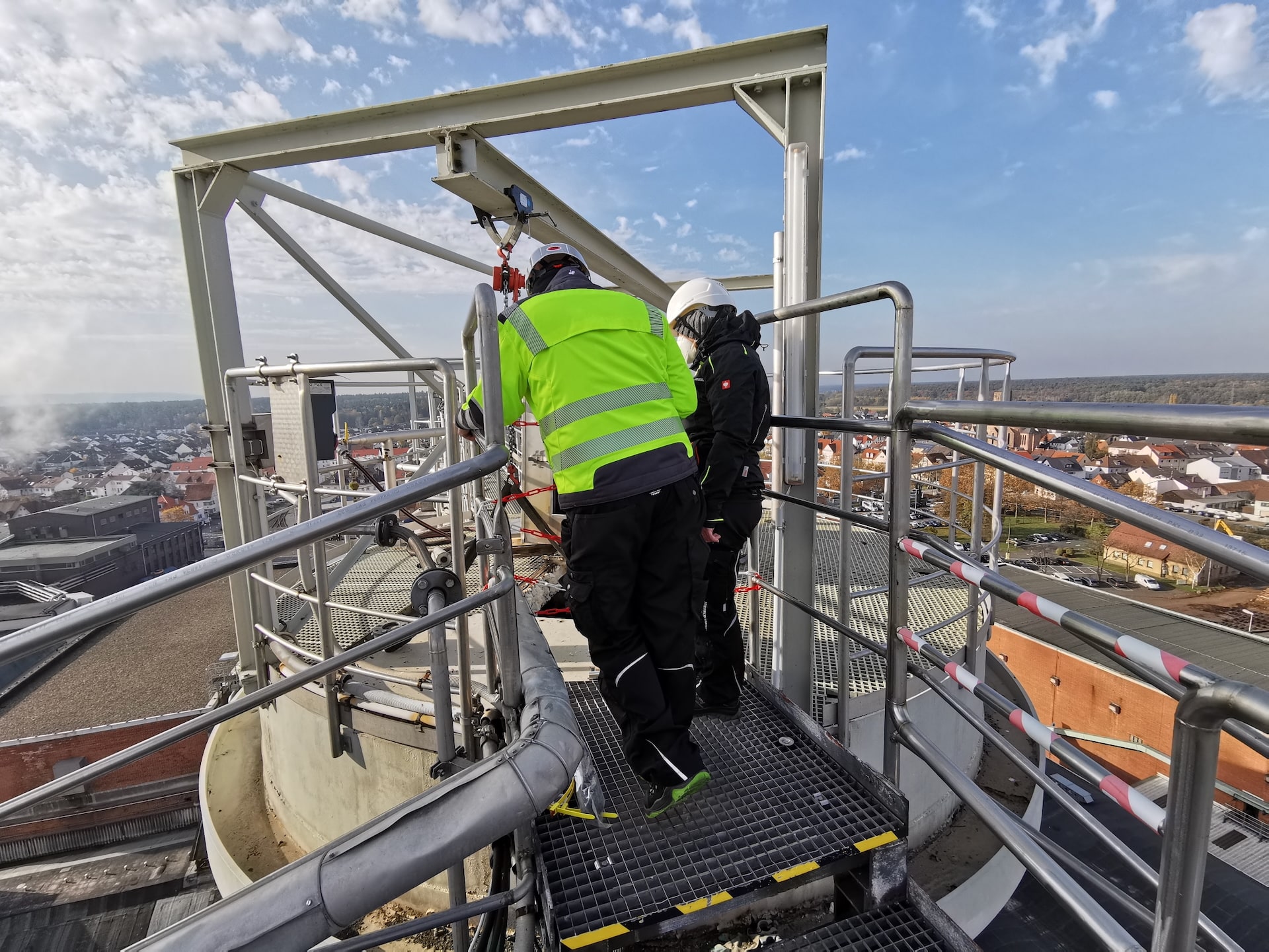
Digesters, bleach towers, evaporation plants – corrosive chemicals, high temperatures, narrow access points. Conventional confined space entry is dangerous, expensive and downtime-intensive. The ELIOS 3 solves this – without human entry.
- Corrosive chemicals and toxic atmospheres: NaOH, Na²S, ClO² and H²O² are caustic and toxic. Entry requires chemical protective equipment, respiratory protection and a rescue team. The drone flies in safely after flushing and gas-free measurement.
- Long downtimes from confined space entry preparation: Digesters and bleach towers must be flushed, cooled, inerted and released for conventional entry. The drone reduces total downtime to a minimum.
- Narrow, tall vessels difficult to access: Bleach towers can be up to 30 metres tall with narrow cross-sections. Without a drone: scaffolding or climbing team required.
- Intensive corrosion from black liquor and bleaching chemicals: Black liquor, chlorine dioxide and oxygen attack coatings and steel intensively. Early damage detection prevents costly failures.
- Deposits and encrustations: Lignin, calcium carbonate and process chemicals form encrustations on walls, screens and internals. LiDAR captures deposit volumes for cleaning planning.
- Inspection obligations per BetrSichV and DGUV: Pressure vessels and plant components are subject to BetrSichV inspection requirements. Complete documentation is a legal obligation and basis for the next certified inspection.
- Visual inspection only partial: With conventional entry, much of the vessel interior remains unchecked. The drone captures completely and systematically from top to bottom.
- Documentation rarely reproducible: Hand sketches and photos from entry are rarely georeferenced. Stored flight paths of the ELIOS 3 enable comparison inspections – corrosion progress and deposit growth become measurable over years.
- Unplanned failures from overlooked damage: Leaks in digesters or bleach towers lead to unplanned shutdowns and costly repairs. Early detection through regular drone inspection makes turnarounds plannable.
Typical Inspections in the Paper & Pulp Industry
With the Flyability ELIOS 3, we inspect process plants in the paper and pulp industry without human entry – safely, precisely and with minimal downtime:
Digesters & Digestors
Visual inspection of linings, welds and screens. Thermography for hotspot and insulation defect detection. LiDAR survey of deposits and geometries.
- Sensors: Visual, LiDAR, Thermography
- Typical findings: Lining damage, corrosion at welds, screen damage, deposits, cracks
Bleach Towers
Inspection of tower interior walls, linings and internals from top to bottom – without scaffolding, without climbing team. LiDAR captures geometry and deposits.
- Sensors: Visual, LiDAR
- Typical findings: Lining damage from ClO², corrosion, deposits, cracks in wall coatings
Evaporation Plants & Evaporators
Inspection of heat exchanger surfaces, vessel walls and internals. Thermography reveals encrustations, fouling and heat loss zones.
- Sensors: Visual, LiDAR, Thermography
- Typical findings: Encrustations, heat exchanger fouling, corrosion, coating damage, leaks
Vats & Pulp Preparation Vessels
Inspection of vat walls, base plates, agitators and internals. Sediment capture per LiDAR, corrosion capture per 4K camera.
- Sensors: Visual, LiDAR
- Typical findings: Corrosion, deposits, coating damage, agitator wear, sediment build-up
Recovery Boilers
Inspection of firebox, superheaters, tube bundles and deposits in the flue gas path. Focus on corrosion, deposit formation and structural integrity – without scaffolding and without entry.
- Sensors: Visual, Thermography, LiDAR
- Typical findings: Deposits (smelt/carryover), tube corrosion, superheater damage, cracking, hotspots
Lime Kilns
Inspection of interior lining, burner zones and transitions. Particularly relevant for refractory lining and thermal damage.
- Sensors: Visual, Thermography
- Typical findings: Refractory lining wear, hotspots, cracks, material loss
Your Benefits in the Paper & Pulp Industry
- No human entry into hazardous areas: No risk from chemicals, toxic atmospheres or confined vessels. The drone takes over the inspection – your employees stay safe.
- Minimal downtime: Inspection in a few hours after flushing and clearance – no scaffolding, no lengthy DGUV entry logistics. Faster restart.
- Early detection of lining damage: Damage to GRP linings, coatings and welds is detected before it leads to leaks or plant failures.
- Cost savings compared to confined space entry: No chemical protection team, no scaffolding, no elaborate DGUV logistics. Drone inspection is a fraction of conventional costs.
- BetrSichV-compliant documentation: Auditable reports with 4K footage and LiDAR data as basis for your certified inspection per Betriebssicherheitsverordnung.
- Comparison inspections – measure damage progression: Stored flight paths and georeferenced 3D data enable direct comparison between inspection cycles. Corrosion progress and deposit growth become measurable.
- Non-contact inspection – no secondary damage to linings: Heavy entry equipment can damage linings, screens and internals. The drone works non-contact – no additional stress on sensitive GRP or enamel linings.
How the Inspection Works
Step 1: Initial Consultation
We analyse your requirements and advise you free of charge on all technical and organisational questions – from gas-free measurement to documentation requirements per BetrSichV.
Step 2: Scheduling & Quotation
You receive a transparent quotation. Together we plan the timing, flushing protocol, access and safety concept.
Step 3: On-Site Inspection
Gas-free measurement, clearance, flight. We carry out the inspection with state-of-the-art drone technology – usually in a few hours after operational release.
Step 4: Evaluation & Inspection Report
You receive a detailed report with 4K footage, 3D models, thermography analyses and systematic findings overview – auditable for your certified inspection.
Standards & Safety in the Paper & Pulp Industry
Our inspections meet the highest safety and documentation standards for process plants in the paper and pulp industry:
- BetrSichV – Betriebssicherheitsverordnung: Pressure vessels (digesters, bleach towers) are subject to BetrSichV inspection requirements. Our documentation is the basis for the recurring certified inspection.
- DGUV Rule 113-004 – Confined Spaces: Digesters and bleach towers are confined spaces per DGUV. No human entry = no DGUV confined space requirements for the inspector.
- TRBS 1201 – Inspection of Pressure Systems: Technical rules for operational safety for the inspection of pressure-bearing systems – basis for inspection intervals and documentation requirements.
- Gas-free measurement before flight: Before every deployment in digesters, bleach towers and evaporation vessels: measurement of O², LEL, H²S and CO with calibrated multi-gas sensor.
- Customer-specific safety concepts: Coordination with your HSE team. We comply with all site safety regulations and permit procedures of the paper and pulp industry.
- EU Drone Regulation: Insurance cover €5 million. Full compliance with EU drone regulation.
Your Contacts for Paper & Pulp Inspections
Christian Engelke – your direct contact for paper and pulp inspection projects.
Since 2017, we have been carrying out drone inspections in demanding industrial plants – numerous deployments in digesters, bleach towers and process plants. We understand the special requirements: corrosive media, pressure vessel inspection obligations, gas-free measurement and minimal downtime. No human entry into hazardous areas – 4K + LiDAR documentation for your certified inspection per BetrSichV.
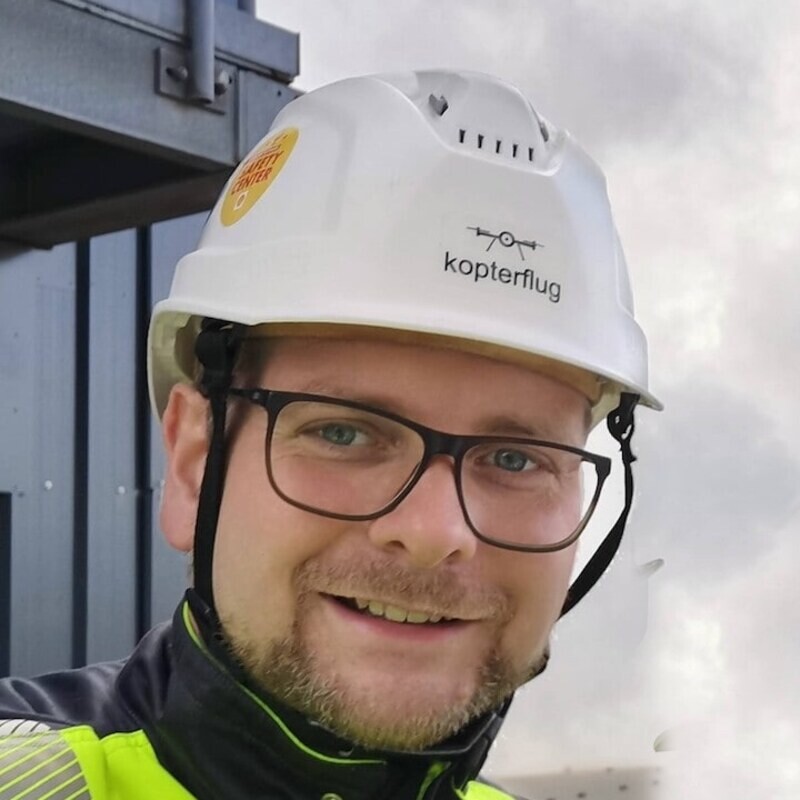 Christian
Founder & Drone Pilot
Christian
Founder & Drone Pilot
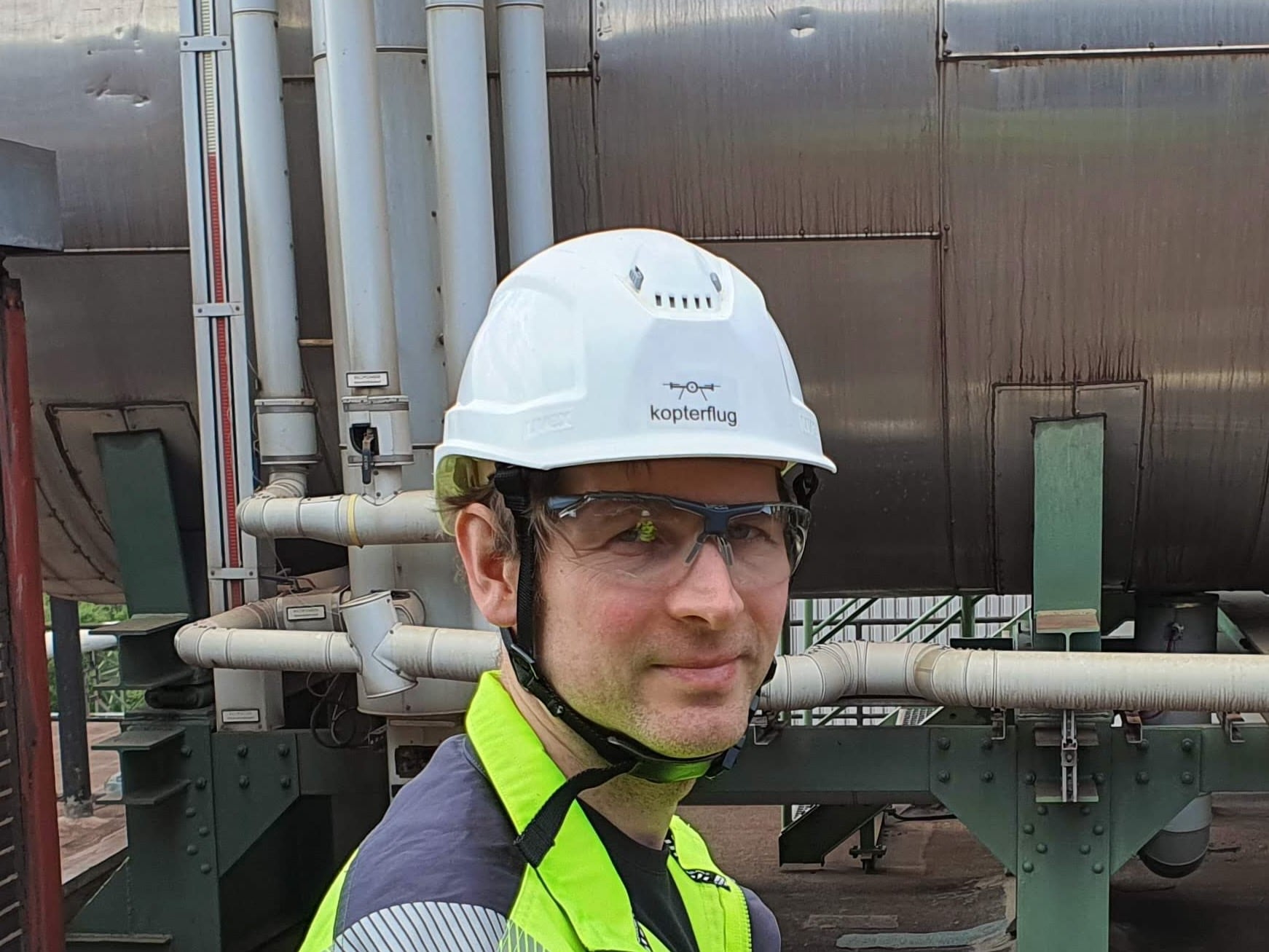 Philipp
Founder, Operations & Logistics
Philipp
Founder, Operations & Logistics
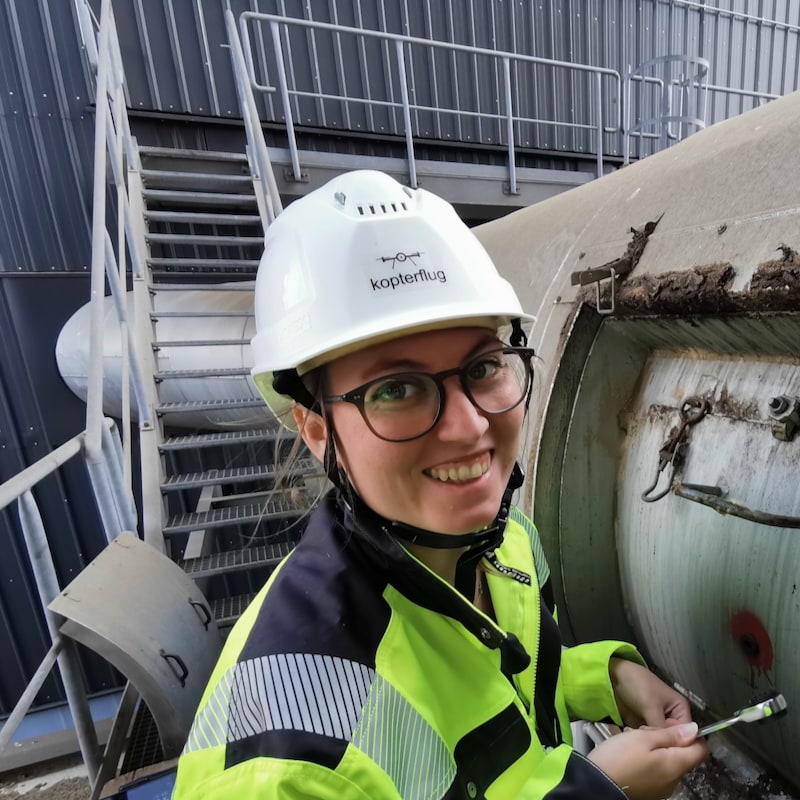 Juliana
Drone Pilot
Juliana
Drone Pilot
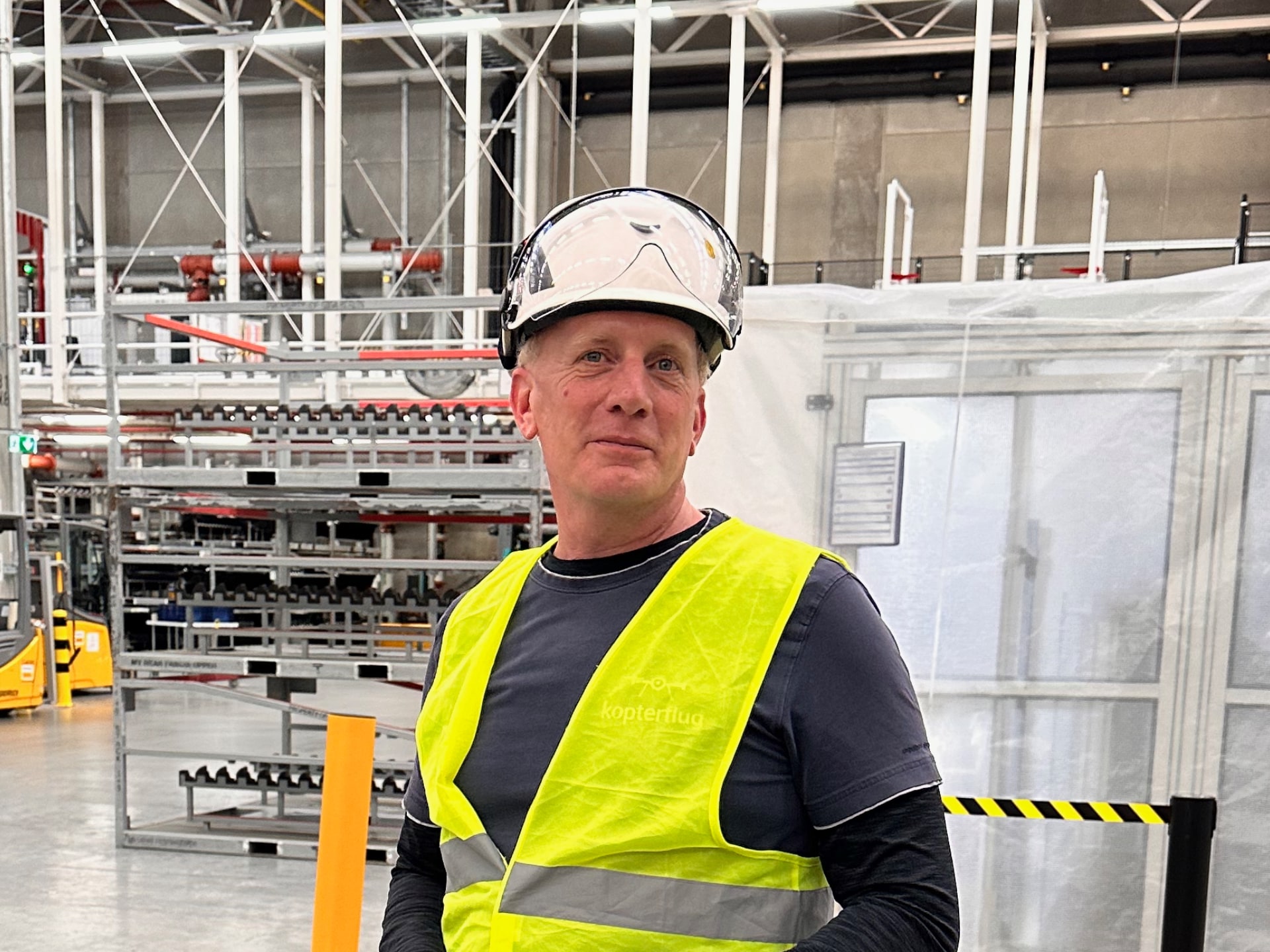 Stephan
Operations & Logistics
Stephan
Operations & Logistics
Related Services
- Boiler Inspection – Recovery boilers and steam generators in pulp mills without scaffolding.
- Tank Inspection – Process and storage tanks for chemicals and black liquor.
- Chimney Inspection – Interior and exterior inspection of industrial chimneys.
- Confined Spaces – Complete overview of all confined space inspection services.
- Condition Documentation – Systematic 4K + LiDAR documentation for asset management.
- Chemical Industry – Reactors, columns and process vessels in chemical plants.
Frequently Asked Questions
What does inspection without human entry mean?
The inspection is carried out entirely by drone – without employees having to enter the interior. This eliminates: respiratory protection, rescue chain, DGUV confined space entry protocol and the associated safety and preparation overhead. The drone takes over.
Which drones are used?
We deploy two specialised systems: the Flyability ELIOS 3 for interior spaces – collision-protected, GPS-independent, with 4K + LiDAR + thermography, specifically for confined spaces such as digesters and bleach towers. The DJI Matrice 30T for exterior inspections of bleach tower exteriors, tank farms and pipe bridges – with 200x zoom and radiometric thermography.
Can the drone really be used in digesters?
Yes – with the right preparation. Digesters must be flushed, degassed and cleared before flight. We carry out gas-free measurement in advance with a calibrated multi-gas sensor. After that the ELIOS 3 flies into the digester – without human entry, with 4K camera, thermography and LiDAR.
Which plant components in the paper and pulp industry can be inspected?
We inspect all typical process plants: digesters (batch and continuous), bleach towers (all stages), evaporation plants and evaporators, black liquor vessels, vats and pulp preparation vessels, recovery boilers, lime kilns, chip silos, large-diameter pipes (≥ DN 1200), flue gas ducts and more. Exterior structures (cooling towers, storage tanks, pipe bridges) with the DJI M30T.
How is explosion protection handled?
The ELIOS 3 is not ATEX-certified. Before every deployment, we carry out a gas-free measurement (O², LEL, H²S, CO). The drone only flies after confirmed gas-free status. This applies to all deployments in digesters, bleach towers and evaporation vessels. The gas-free measurement is part of our service.
Which standards apply to inspections in the paper and pulp industry?
Relevant are the BetrSichV (Betriebssicherheitsverordnung) for pressure vessels, TRBS 1201 for inspection requirements and DGUV Rule 113-004 for confined spaces. Our documentation is structured to serve as the basis for the next certified inspection by TÜV, DEKRA or equivalent.
How does the drone protect against contamination by chemicals?
The plant must be flushed and released before flight – then no chemical contamination is active. The drone can be decontaminated after deployment. For deployments in areas with residual contamination, we discuss appropriate measures with your HSE team in advance.
Can lining damage in bleach towers be detected?
Yes. The 4K camera clearly shows cracks, delamination and damage to GRP, rubber and enamel linings. Thermography can detect voids behind linings and moisture ingress before visible damage develops. LiDAR documents lining geometry and local protrusions.
How does LiDAR help with the inspection of digesters and evaporation plants?
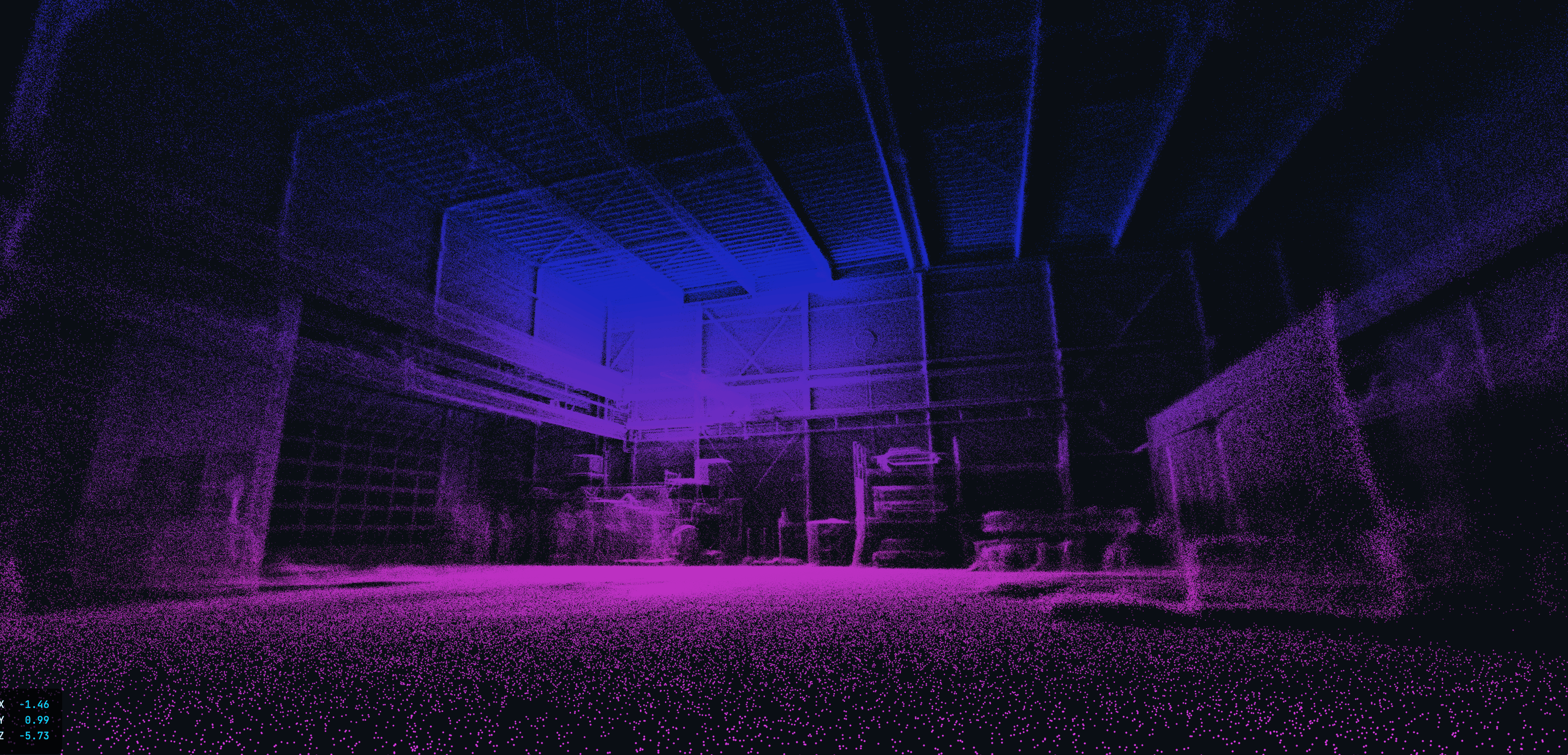
LiDAR creates complete 3D models of the vessel interior – regardless of lighting conditions. This enables: precise capture of encrustation volumes for cleaning planning, geometry comparison for deformation analysis and repeatable follow-up inspections at the exact same positions.
Does the plant have to be completely shut down for the inspection?
The components to be inspected must be taken out of service, flushed and cooled. Integration into planned annual shutdowns or turnarounds is recommended to minimise downtime. Exterior structures (pipe bridges, chimney exteriors, cooling towers) can also be inspected during normal operation.
What does drone inspection cost compared to conventional confined space entry?
Drone inspection is generally significantly cheaper: no chemical protection team, no scaffolding, no respiratory protection equipment, no rescue team. The biggest saving factor is often the shortened downtime – entry preparation can take days or even weeks, the drone inspection is completed in hours.
Are there limitations to drone use in digesters?
The most important limitations: the ELIOS 3 requires a minimum cross-section of approx. 50 cm for safe flight. It is not ATEX-certified – gas-free status is a prerequisite. At temperatures above 50°C the drone cannot be deployed – the plant must be fully cooled. Very narrow or complex geometries can limit flight coverage.
Can deposits and encrustations (lime, lignin) be detected and measured?
Yes – this is a core strength of LiDAR-supported inspection. The LiDAR of the ELIOS 3 captures deposit volumes, layer thicknesses and distribution patterns quantitatively. Calcium carbonate encrustations, lignin build-up and similar deposits are not only visible but also measurable – for cleaning planning and comparison inspections.
Is drone inspection officially recognised – also for inspection-mandatory plants per BetrSichV?
Drone inspection is an instrument for information gathering, not a replacement for certified inspection. Our data (4K video, LiDAR 3D model, thermography) forms a strong basis for certified inspectors from TÜV, DEKRA or equivalent. The formal inspection responsibility remains with the appointed inspector – we deliver the data foundation.
Can inspection take place during production?
Generally no – the vessels to be inspected (digesters, bleach towers, evaporators) must be out of service, flushed, degassed and cleared. Exterior structures such as pipe bridges, chimney exteriors and cooling towers can also be inspected during operation.
How long does a drone inspection in the paper and pulp industry take?
The actual flight time is 1–4 hours per vessel depending on size. Add on-site setup (gas-free measurement, safety check, coordination with your HSE team). Total time on site is typically one working day per vessel – significantly less than conventional confined space entry with its days-long preparation.
Can chimneys and flue gas ducts in paper mills also be inspected?
Yes. Chimneys and flue gas routes from pulp and paper mills (recovery boilers, lime kilns, auxiliary boilers) can be inspected from the inside with the ELIOS 3 and from the outside with the DJI Matrice 30T. Typical findings: masonry damage, liner cracks, flue gas duct corrosion, sooting.
When is drone inspection less suitable?
There are situations where conventional methods are more appropriate: For wall thickness measurement by ultrasound (UT), direct sensor contact is needed – we can localise the spots, the measurement itself requires specialist UT technicians. For very complex 3D geometries with very narrow clearances below 50 cm, the ELIOS 3 reaches its limits. We advise honestly about what the drone delivers – and where other methods are better.
Get in Touch
Questions about drone inspection for paper and pulp plants, or need a quote? Fill out the form and we will get back to you within 24 hours.