
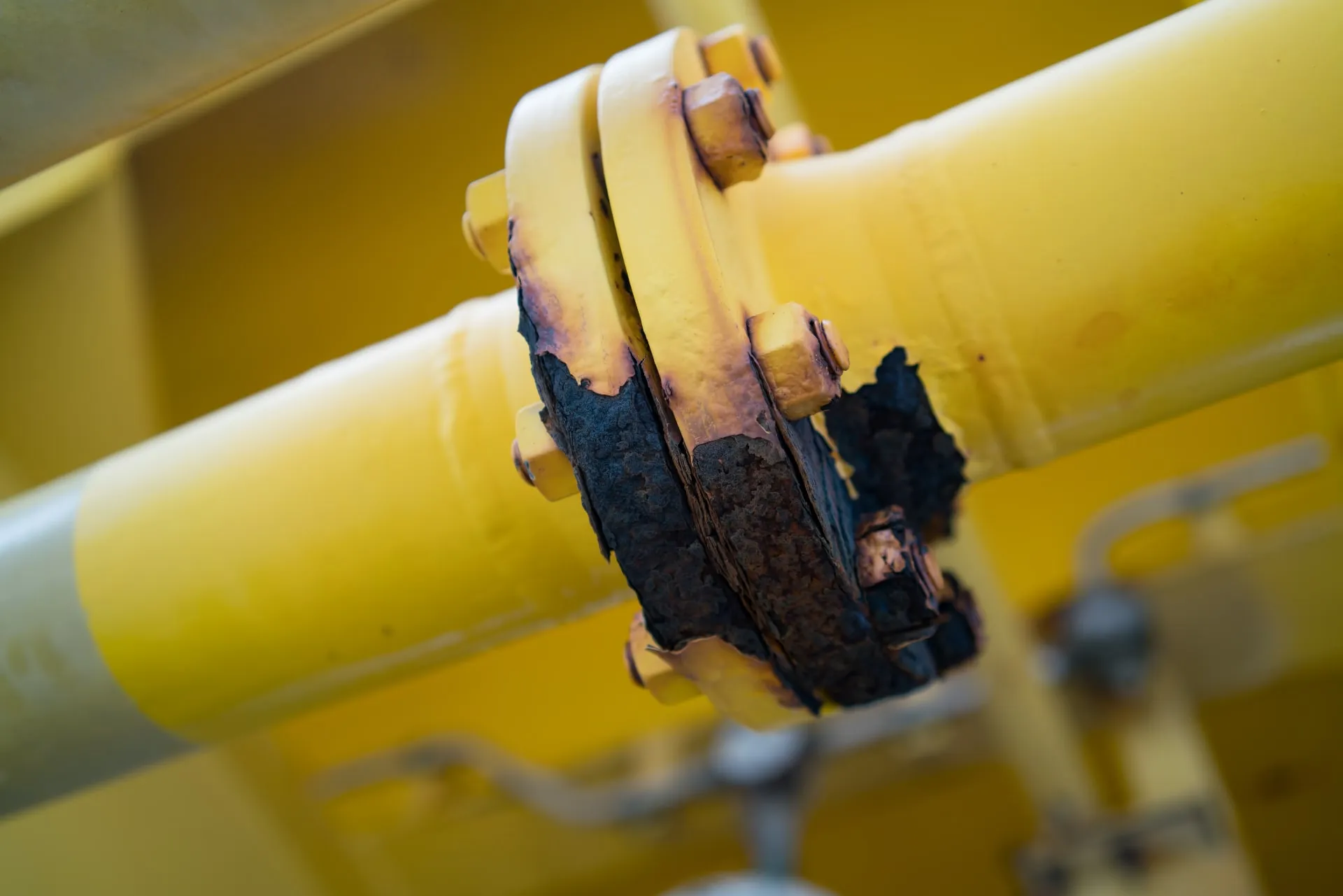
7 Advantages of Drone Inspection for Corrosion and Aging
Corrosion and material aging are the silent killers of industrial assets. The Flyability ELIOS 3 monitors tanks, boilers, reactors and shafts without human entry – detecting damage early, reducing downtime and extending asset life. Since 2017, we have inspected hundreds of industrial plants across Germany.
- 7 decisive advantages – from early detection to maximum cost efficiency
- Flyability ELIOS 3 – 4K camera, LiDAR 3D mapping and optional thermography
- Zero human entry – no scaffolding, no confined space entry, no risk to personnel
Intelligent Asset Inspection: 7 Advantages of Modern Drone Technology
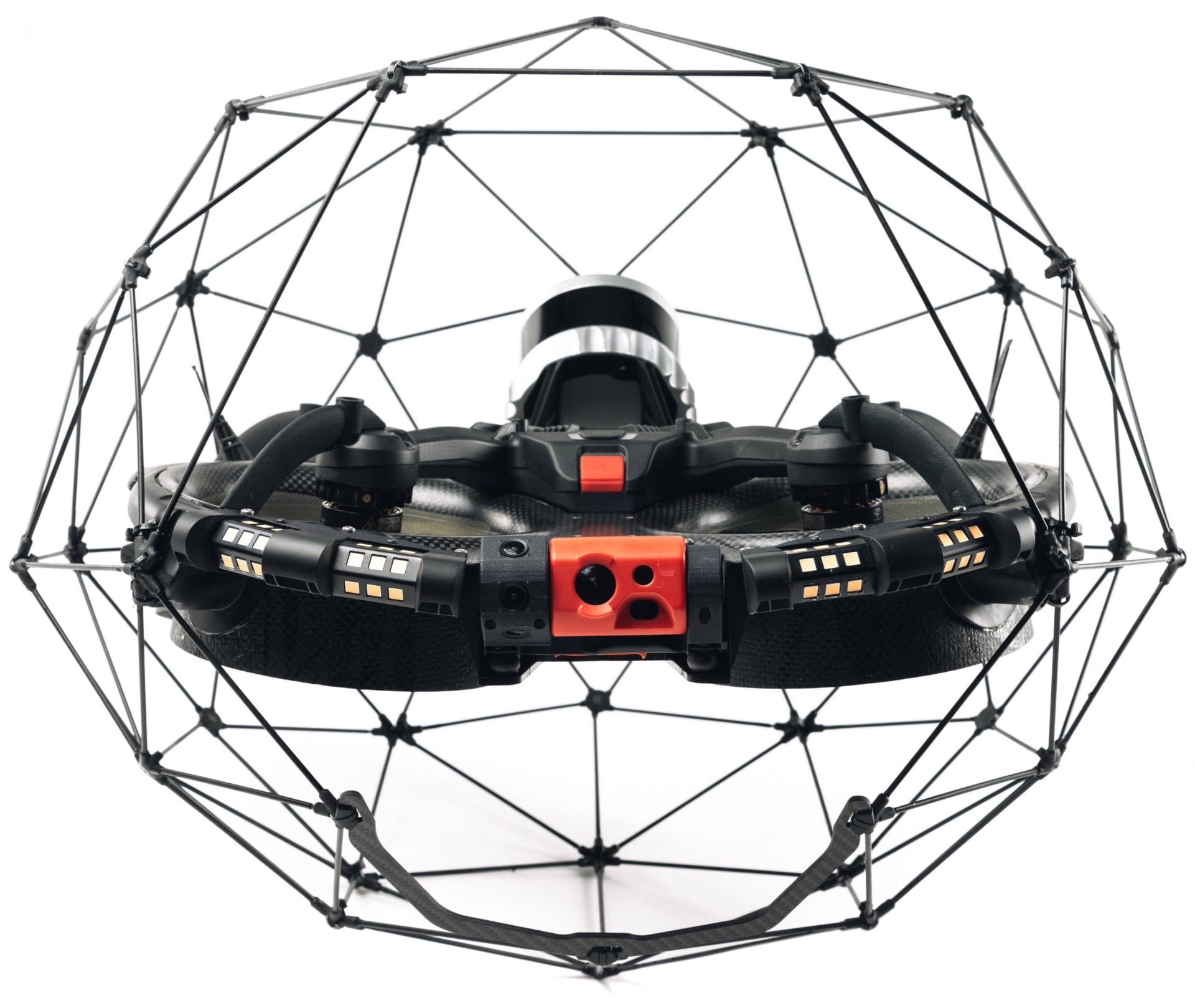
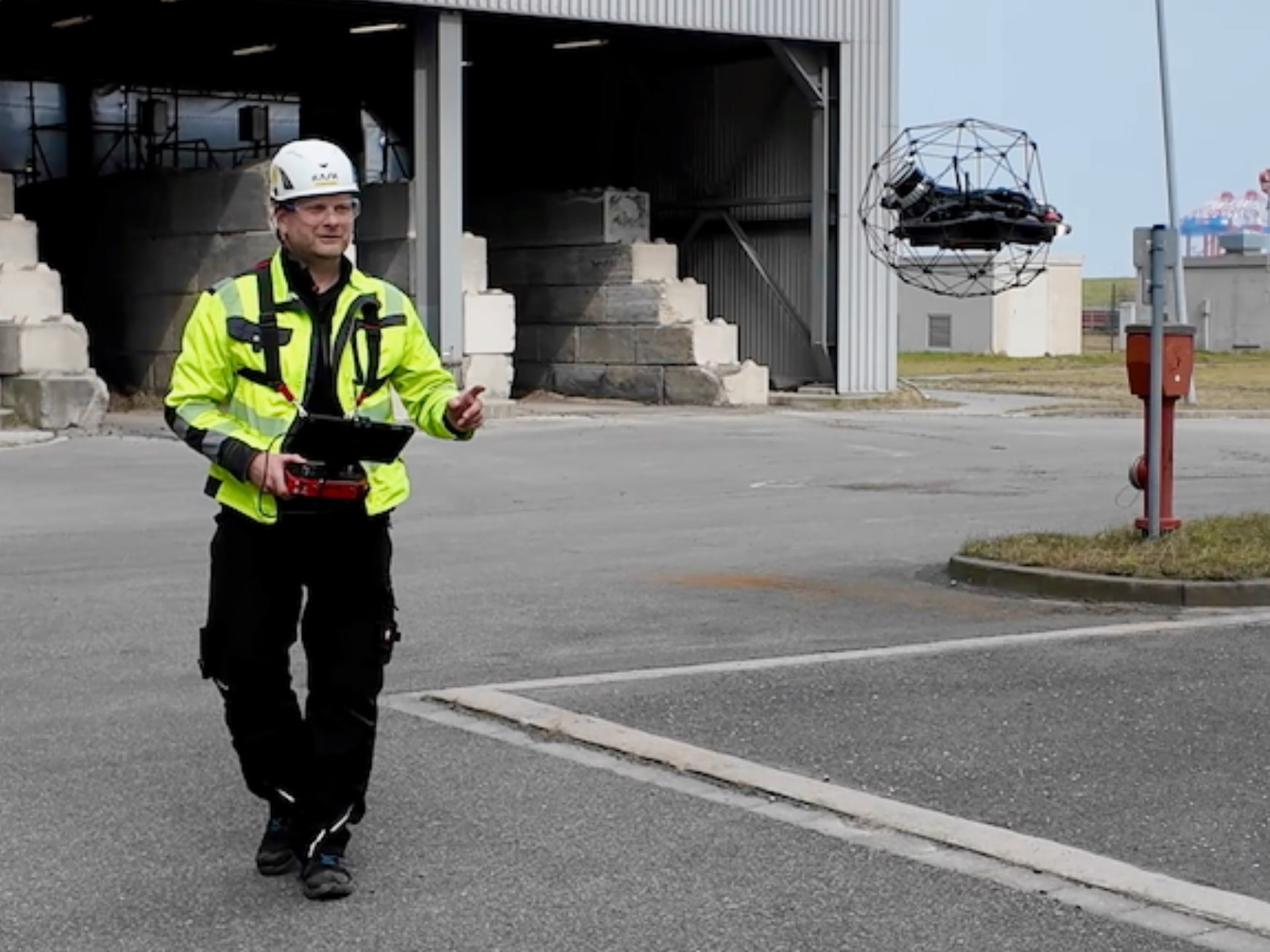
Flyability ELIOS 3 – collision-safe inspection drone with 4K camera, LiDAR and thermography.
Corrosion and aging – the creeping threat. Steel tanks, boilers, reactors and pressure vessels are under constant stress. Pitting, stress corrosion cracking and material fatigue often develop unnoticed into critical structural damage.
The Flyability ELIOS 3 monitors tanks, boilers, reactors and shafts without human entry. For external inspections, the DJI M30T with 200x zoom and thermography is deployed.
Our expertise since 2017: Hundreds of inspected facilities across Germany – reduced maintenance costs, increased safety and extended asset life.
The 7 Decisive Advantages in Detail
Why the Flyability ELIOS 3 is the optimal solution for corrosion monitoring in industrial plants:
1. Precise Early Detection with 4K Technology

The ELIOS 3 detects the smallest surface changes: pitting and stress cracks are identified at the earliest stage – long before costly damage develops. Optional thermography reveals hidden corrosion under coatings (CUI – Corrosion Under Insulation).
2. Access to Critical Areas
Tank ceilings, floor zones, weld seams, boiler interiors – the most critical areas are often the hardest to reach. The ELIOS 3 fits through manholes from 50 cm and inspects every angle without scaffolding or human entry.
3. Multi-Sensor Technology
4K video for surface corrosion, LiDAR for 3D measurement with centimetre accuracy, optional thermography for hidden damage. The combination delivers complete data for informed maintenance decisions – far beyond visual inspection alone.
4. Maximum Safety Without Human Entry

No risk to employees in confined, dark or potentially hazardous areas. No DGUV (Deutsche Gesetzliche Unfallversicherung: German statutory accident insurance) confined space entry procedure, no fall hazard, no exposure to toxic gases or oxygen deficiency. The ELIOS 3 takes the risk – your team stays safe.
5. Digital Long-Term Documentation

LiDAR 3D models enable precise damage tracking over years. Compare inspection data from exactly the same position during follow-up inspections. Corrosion progression becomes measurably documented – the foundation for data-driven maintenance planning.
6. Rapid Response to Damage

No elaborate scaffolding, no weeks of preparation. The ELIOS 3 is ready to deploy within minutes. When damage is suspected, immediate capture and documentation – before damage spreads.
7. Maximum Cost Efficiency

No scaffolding costs, minimised downtime, prevention of unplanned outages. Regular ELIOS 3 inspections are up to 80% cheaper than conventional methods – while extending asset life through early maintenance intervention.
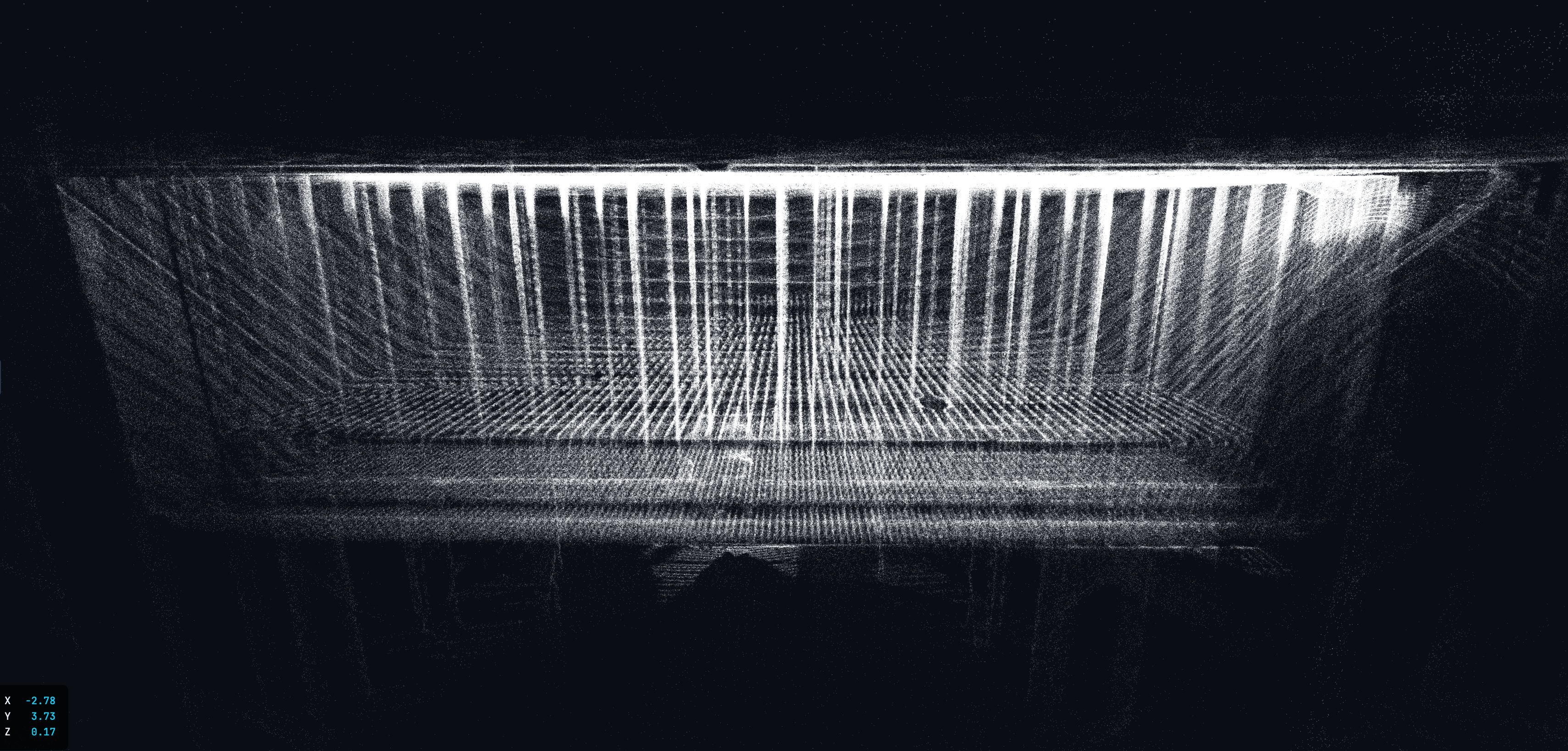
LiDAR 3D scan of an economiser – precise corrosion monitoring with the Flyability ELIOS 3.
Conclusion: The 7 Advantages in Practice
Drone inspection transforms corrosion monitoring. The combination of early detection, confined space access, multi-sensor technology and digital long-term documentation makes the Flyability ELIOS 3 the optimal solution for corrosion monitoring.
Our experience since 2017: Corrosion often appears earlier than expected, and the most critical areas are usually the hardest to access. Regular drone inspections detect damage early and prevent unplanned outages.
We work closely with TÜV, Dekra, Luxcontrol and other inspection bodies. Our inspection reports align with the relevant requirements (DGUV, BetrSichV (Betriebssicherheitsverordnung: German Industrial Safety Ordinance), DIN EN).
Your Contacts

Related Services
- Tank Inspection – Professional drone inspection of tanks for corrosion detection and condition assessment.
- Boiler Inspection – Safe inspection of boilers and steam generators without human entry.
- Confined Spaces Inspection – Confined and hazardous spaces safely inspected with drone technology.
- Flyability ELIOS 3 – Technical details of the Flyability ELIOS 3 inspection drone with LiDAR.
- Chimney Inspection – Chimneys and stacks inspected for corrosion and wear by drone.
- Industrial Drone Inspection – Overview of all inspection services.
Frequently Asked Questions
How often should industrial assets be inspected for corrosion?
This depends on several factors: asset age, media, operating conditions and regulatory requirements. As a general rule, we recommend annual inspections for critical assets and every 2–3 years for non-critical ones. The ELIOS 3 enables more frequent inspections without significant effort – allowing you to monitor corrosion development precisely.
Which areas are most susceptible to corrosion?
Particularly critical are: weld seams, transition zones between different materials, floor zones (sediment formation), waterline zones, and areas under high mechanical stress. The ELIOS 3 reaches all of these without scaffolding or human entry.
What does a drone inspection for corrosion monitoring cost?
Costs depend on asset size and complexity. In most cases, drone inspections are up to 80% cheaper than conventional methods involving scaffolding or confined space entry. Contact us for a project-specific quote – we are happy to provide a free consultation.
How long does an ELIOS 3 inspection take?
Duration depends on asset size and complexity. Drone inspections are typically significantly faster than conventional inspections, which often require weeks of preparation. Contact us for an estimate of your specific case.
What types of corrosion does the drone detect?
The ELIOS 3 detects: general surface corrosion, pitting, crevice corrosion, stress corrosion cracking, and erosion corrosion. With optional thermography, it also identifies hidden corrosion under coatings (CUI – Corrosion Under Insulation).
How precise are drone inspections for corrosion?
The ELIOS 3's 4K camera enables detection of cracks from 0.5 mm width. Optional thermography reveals hidden corrosion. LiDAR 3D measurement with centimetre accuracy documents wall thickness changes and deformations precisely.
How is the inspection data analysed?
You receive: 4K videos, high-resolution photographs, LiDAR 3D point clouds, optional thermography images and a detailed inspection report with condition documentation, damage assessment and systematic findings overview. All raw data is handed over to you.
What safety advantages does drone inspection offer?
No human entry into confined, dark or toxic areas. No fall hazard from work at height. No exposure to hazardous gases or oxygen deficiency. No complex DGUV confined space entry procedures. The ELIOS 3 takes the risk.
How quickly can action be taken when corrosion damage is discovered?
The ELIOS 3 enables immediate damage capture – often on the same day. Critical findings are communicated immediately. The detailed report follows promptly. This allows maintenance teams to intervene quickly before damage spreads.
Get in Touch
Do you need professional corrosion monitoring for your industrial assets? Fill out the form below – we'll get back to you within 24 hours.