
GMP Drone Inspection – Requirements & Practice
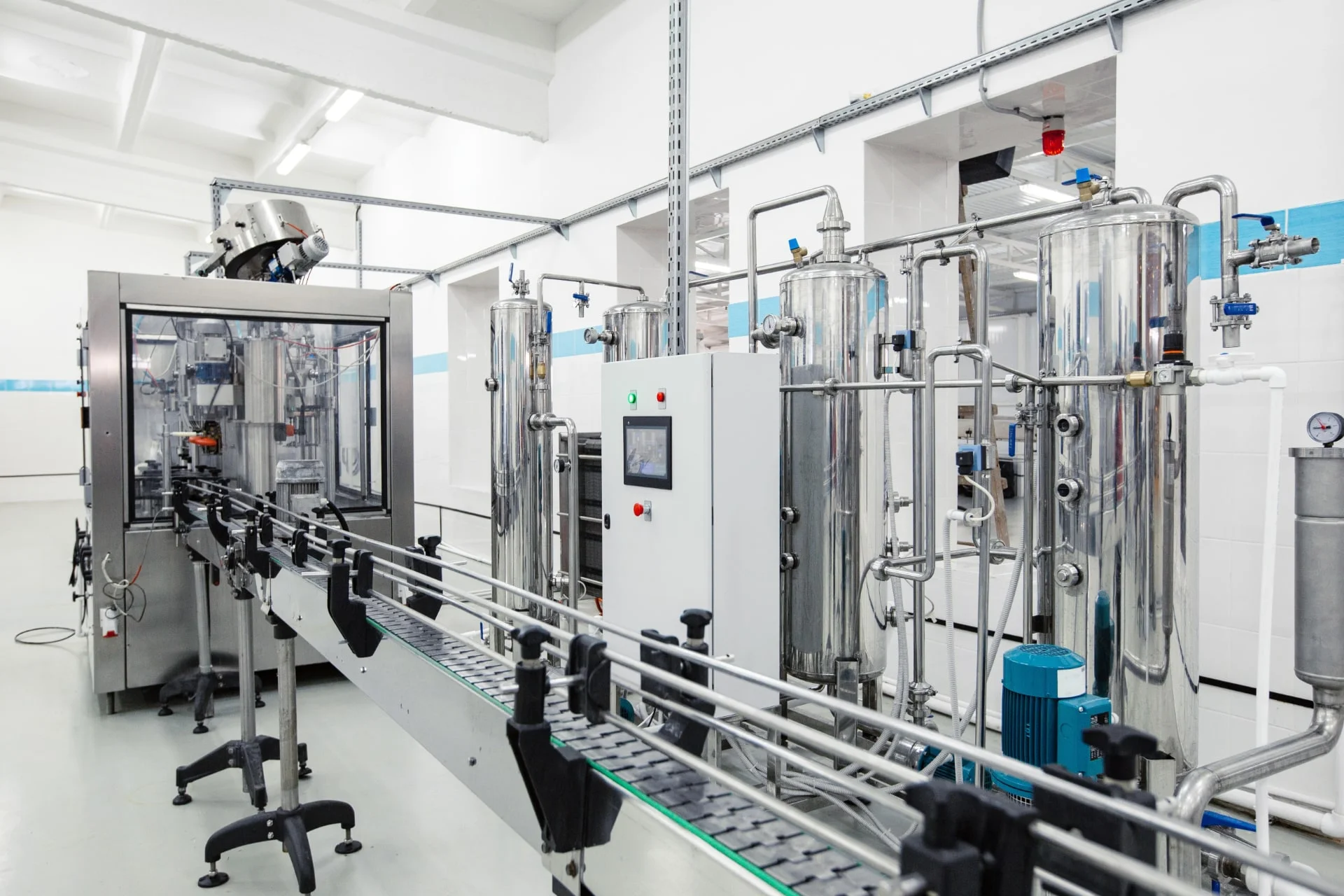
The pharmaceutical industry demands the strictest regulatory compliance. The Flyability ELIOS 3 inspects bioreactors, fermenter tanks and cleanroom areas without human entry – GMP-compatible, contamination-free and fully documented. Since 2017.
- GMP (Good Manufacturing Practice) – compatible inspection with full audit trail
- Zero material ingress – no uncontrolled particle introduction into product-contact areas
- Validatable – deployments documented for IQ/OQ/PQ-qualified systems
Special Requirements of the Pharmaceutical Industry for Drone Deployments
The pharmaceutical industry is subject to one of the strictest regulatory frameworks in the world. GMP (Good Manufacturing Practice) per EU GMP Guidelines (Annex 1 through 20), FDA 21 CFR Part 211 and ICH Q7 mandates that all processes, rooms and equipment that come into contact with pharmaceutical products or influence their quality must be controlled, documented and – where required – validated.
A drone deployment in a pharmaceutical facility is therefore not a standard industrial mission. It must meet the following requirements:
- No uncontrolled material ingress: Particles, lubricant traces or plastic abrasion from rotors or cage structure must not enter product-contact areas.
- Documented cleaning and disinfection: The drone must be cleaned and, where applicable, disinfected before deployment in GMP-relevant areas. A cleaning protocol is mandatory.
- Validatability: In qualified areas (IQ/OQ/PQ-validated systems), the drone deployment can form part of the maintenance documentation – with evidence that the drone does not affect the system’s qualification status.
- Access control and logging: Every deployment is recorded in the equipment logbook.

Typical Inspection Objects in the Pharmaceutical Industry
Kopterflug inspects the following pharmaceutical asset types with the ELIOS 3:



Cleanroom Classes and Drone Deployment: What Is Possible?
Whether and in which cleanroom area a drone can be deployed depends on the cleanroom class (ISO 14644-1, EU GMP Annex 1) and the operational state (at rest vs. in operation):
Class A / ISO 5 (core zone): Drone deployment fundamentally only in at-rest state and only in coordination with quality management. Cleaning and disinfection of the drone per manufacturer protocol and after QA approval.
Class B / ISO 7 and C / ISO 8: Drone deployment possible after emptying and cleaning of the area. Particle monitoring before and after deployment recommended. Deployment is noted in the batch record or area logbook.
Class D / ISO 8 and non-classified rooms: Drone deployment with standard cleaning protocol for industrial environments. Proximity to GMP areas must be documented.
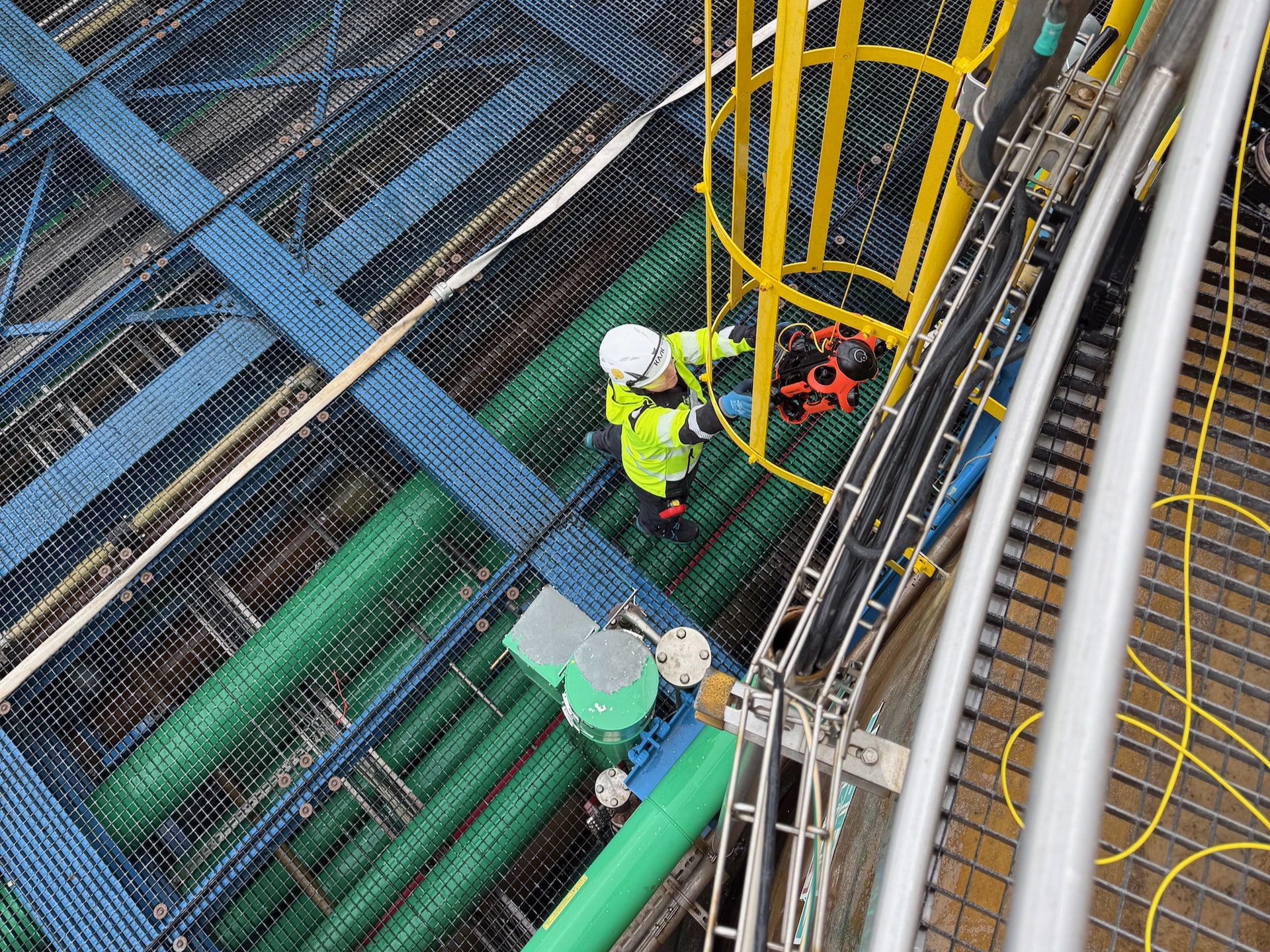
Emptied GMP vessels (tanks, bioreactors): After complete emptying, CIP completion and before refilling, the drone is the most efficient tool for internal condition assessment. No person needs to enter the vessel – this significantly reduces contamination risk from human presence.
GMP-Compliant Drone Inspection in Practice
The workflow for a GMP-compliant drone deployment in a pharmaceutical facility differs from standard industrial missions through additional documentation and coordination steps:

Your Contacts
Related Services
- Pharmaceutical Industry Drone Inspection – GMP-compliant drone inspection in pharmaceutical production and storage areas.
- Tank Inspection – Storage tanks and process vessels inspected without entry and without production interruption.
- Industrial Drone Inspection – Overview of all drone inspection applications in industry.
- Food Industry – Hygiene concepts and HACCP-compliant inspection in food production.
- Confined Spaces Inspection – Vessels, tanks and confined spaces safely inspected without human entry.
- Inspection Without Production Downtime – When inspections during ongoing operations are possible and what to consider.
Frequently Asked Questions
Is drone inspection in pharmaceutical facilities GMP-compliant?
Yes – when properly integrated into the quality management system. The ELIOS 3 deployment follows a defined protocol: cleaning with approved agents, documented foreign body check, deployment only in emptied and cleaned vessels, and a complete audit-trail-capable report. The deployment is logged in the equipment logbook and can be referenced in validation documentation.
Can the drone be used in cleanrooms?
Depends on the cleanroom class. In Class A (ISO 5), only in at-rest state with QA approval. Classes B/C (ISO 7/8): after cleaning, with particle monitoring before and after. Class D and non-classified areas: with standard industrial cleaning protocol. In all cases, the deployment is coordinated with quality management and documented in the area logbook.
How is contamination prevented during drone deployment?
Multiple measures: the drone is cleaned (and disinfected if required) before deployment using a defined protocol. Only emptied and cleaned vessels are inspected. Sensitive areas are covered if needed. A systematic completeness check ensures no parts are loose. After the flight, the same check is repeated. All measures are documented.
Is the drone deployment validatable for IQ/OQ/PQ-qualified systems?
The drone deployment can be integrated into the maintenance documentation of qualified systems. Evidence is provided that the drone does not affect the qualification status of the equipment. The inspection report, cleaning protocol and flight log form part of the documentation chain and are compatible with 21 CFR Part 11 requirements.
What does the drone detect inside bioreactors and fermenter tanks?
Typical findings include: weld seam quality issues, surface roughness changes (Ra value), coating integrity problems, condition of agitators, sensors and internal fittings, dead-space areas with insufficient CIP effectiveness, and corrosion at connections and nozzles. All findings are documented in 4K with precise position reference.
Which pharmaceutical regulations are relevant for drone inspection?
Key frameworks include: EU GMP Guidelines (particularly Annex 1 for sterile manufacturing, Annex 15 for qualification and validation), FDA 21 CFR Part 211 (cGMP for finished pharmaceuticals), ICH Q7 (GMP for APIs), and ISO 14644-1 (cleanroom classification). The drone deployment is adapted to the specific regulatory requirements of each facility.
Is the drone less contamination-intensive than manual vessel entry?
In many cases, yes. A person in full cleanroom gowning is a significant particle source. The drone – properly cleaned and without human presence inside the vessel – introduces fewer uncontrolled particles. This is particularly relevant for product-contact surfaces in bioreactors and WFI (Water for Injection) tanks.
How is the inspection data delivered and archived?
You receive: 4K video footage, high-resolution finding photographs, an inspection report with classified findings and action recommendations, the cleaning protocol, the foreign body check protocol and the flight log. All data is delivered in formats compatible with pharmaceutical document management systems (DMS) and GMP archiving requirements.
Get in Touch
Do you need GMP-compliant drone inspection for your pharmaceutical facility? Describe your assets and GMP requirements – we will develop an inspection concept that fully meets your quality assurance standards.