
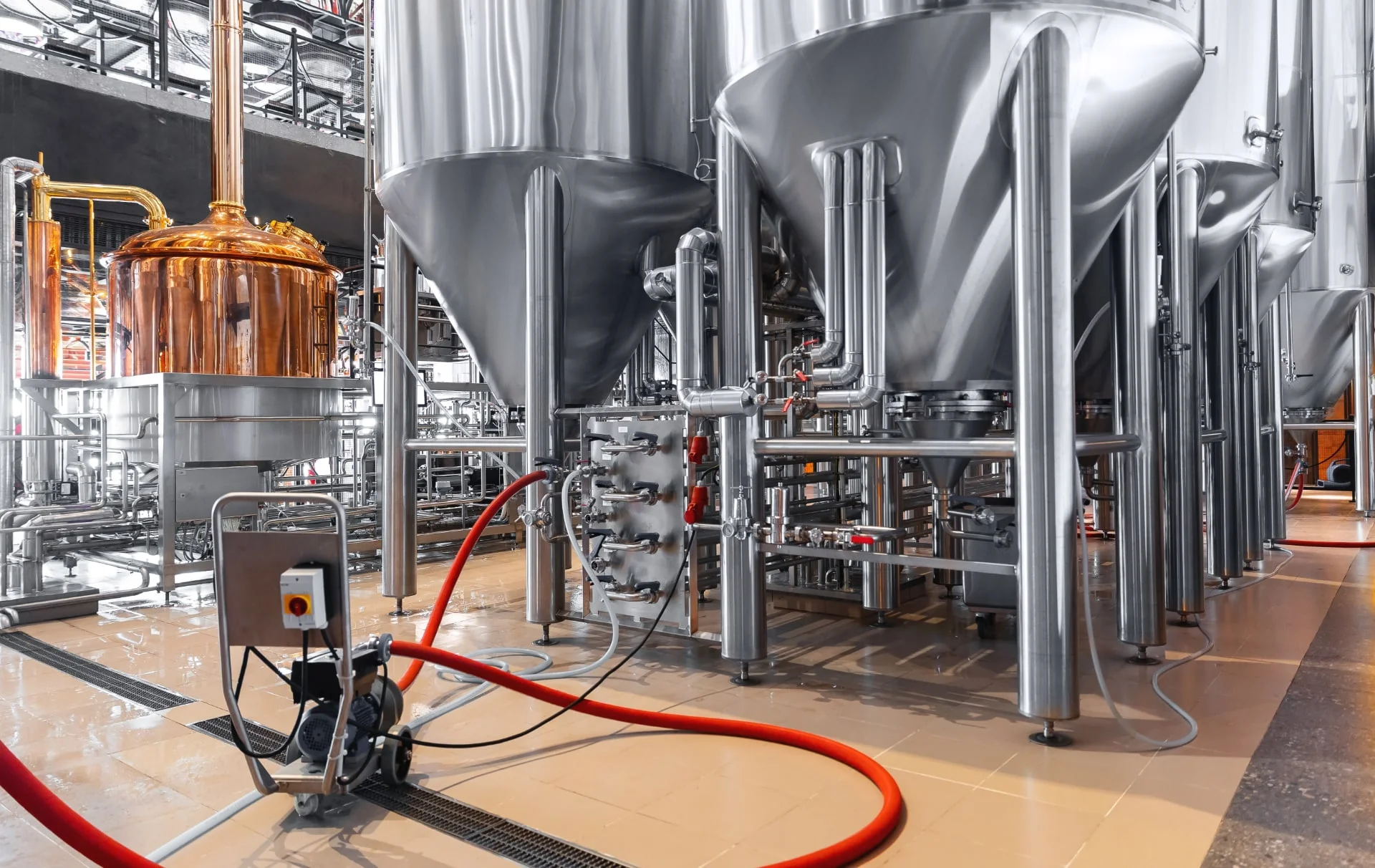
Drone Inspection in the Food Industry – HACCP-Compliant & Without Production Downtime
Food processing plants demand the highest hygiene standards. The Flyability ELIOS 3 inspects mixing tanks, silos, brew kettles and process vessels without human entry – no contamination risk, HACCP-compliant documentation, and no production interruption. Since 2017.
- HACCP (Hazard Analysis and Critical Control Points) – compliant inspection without human entry
- Foreign body prevention – systematic pre- and post-flight checks with written protocol
- IFS Food & FSSC 22000 – audit-ready documentation
Special Requirements: Hygiene, Foreign Bodies, HACCP
Food processing operations are subject to one of the most demanding hygiene regimes in industry. The EU Food Hygiene Regulation (EC) No. 852/2004, IFS Food and FSSC 22000 standards, as well as the operational HACCP (Hazard Analysis and Critical Control Points) concept define clear requirements for every object, tool and person that comes into contact with product-contact areas.
A drone deployment in a food processing facility must fully meet these requirements. The key points:
Foreign body prevention: Loose parts, screws, coating abrasion or lubricants must not enter product-contact areas. Before deployment, the ELIOS 3 is checked for loose parts and damage. A written checklist protocol documents the condition before and after each mission.
Cleaning and disinfection: The drone is cleaned with food-approved cleaning agents. In operations with disinfection requirements (e.g. dairies, breweries), additional disinfection is performed.
HACCP documentation: The drone deployment – particularly in CCP-relevant areas (Critical Control Points) – is documented in the facility’s HACCP plan and hygiene protocols.



Typical Inspection Objects in the Food Industry
The food industry operates a wide variety of vessels, silos and process equipment that must be regularly checked for internal condition. Kopterflug inspects:






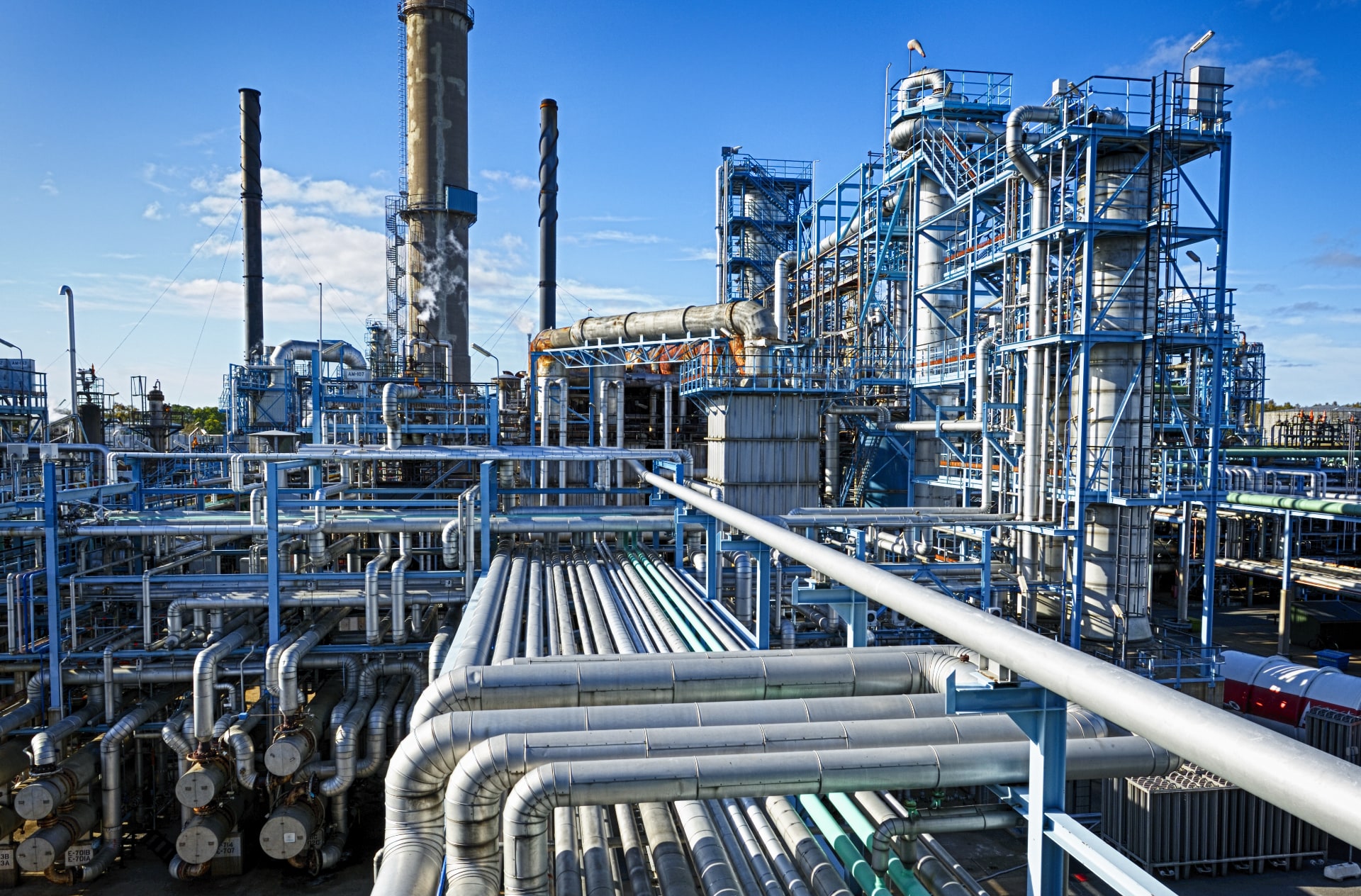
Brewery Inspection: A Practical Example
Breweries are a particularly illustrative example of the requirements for drone deployments in the food industry. Modern breweries operate fermentation tanks with volumes of 500 to 10,000 hectolitres – cylindroconical unitanks made of stainless steel or historic wooden cask vessels. These vessels are inspected by drone after the regular cleaning cycle (CIP – Cleaning in Place) for their internal condition before being refilled.
Typical inspection findings in brewery tanks:
- Weld seam corrosion at connections (nozzles, fittings, manhole) – promoted by beer constituents (acid, CO²) through electrochemical processes
- Coating damage on coated steel vessels (epoxy-phenol lining) – leading to metal contamination and taste alteration
- Dead-space areas with insufficient CIP effectiveness – identifiable by discolouration, deposits or moisture patches
- Condition of agitators, carbonisers and CIP spray balls
Historic wooden and concrete vessels (lager cellars, stoneware storage silos) can be inspected by drone for cracks, leaching and hygienic condition – conventional confined space entry methods are difficult in these often low-ceilinged and narrow spaces.
In hop silos and malt stores, particular caution applies due to dust explosion risk (Ex Zone 21 for malt dust). Gas measurement and dust concentration measurement before deployment are mandatory here.
Preparation and Protocol for Food-Compliant Drone Missions
Compliance with hygiene standards begins before the deployment day and ends with HACCP-compliant documentation:


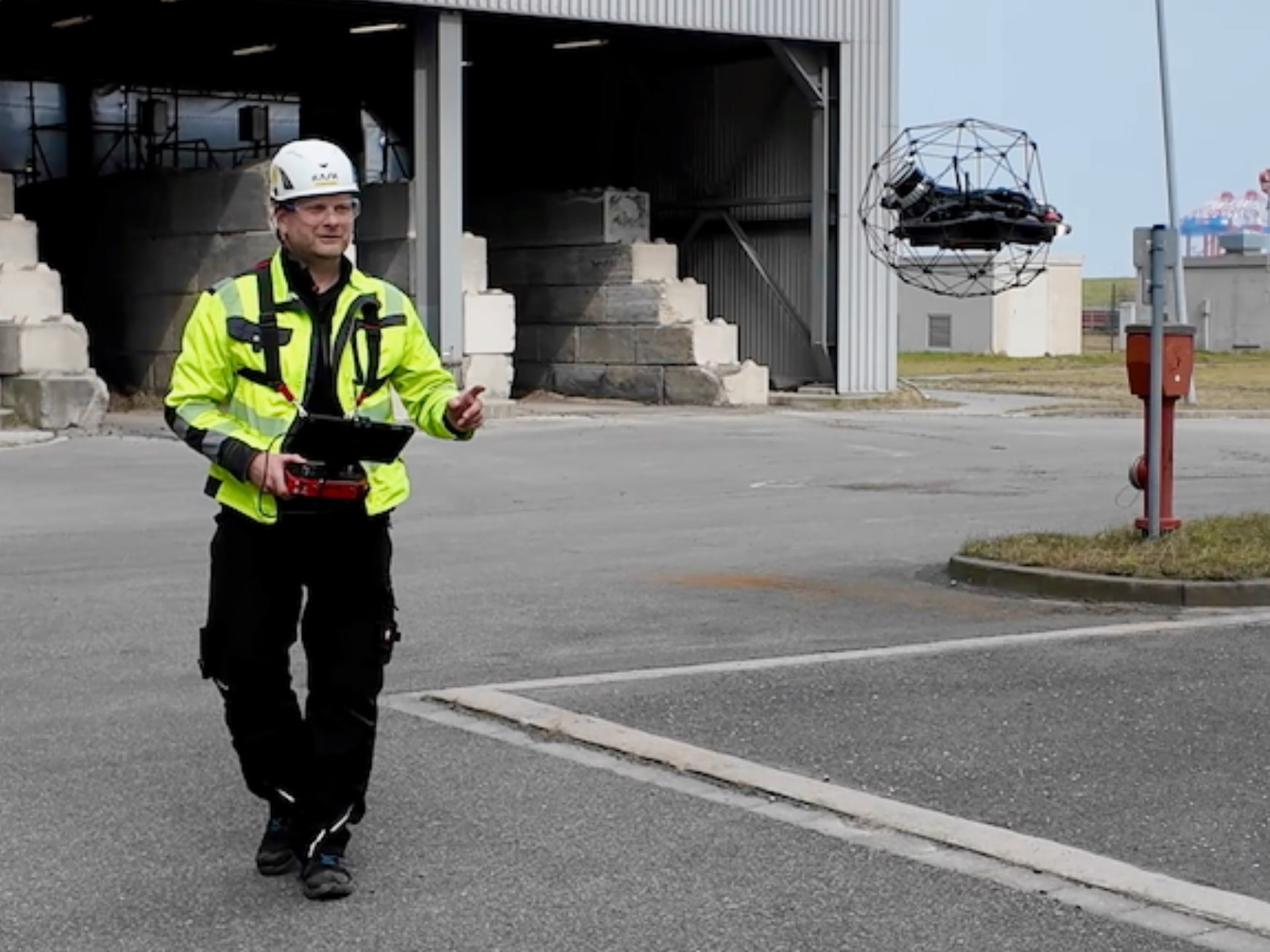
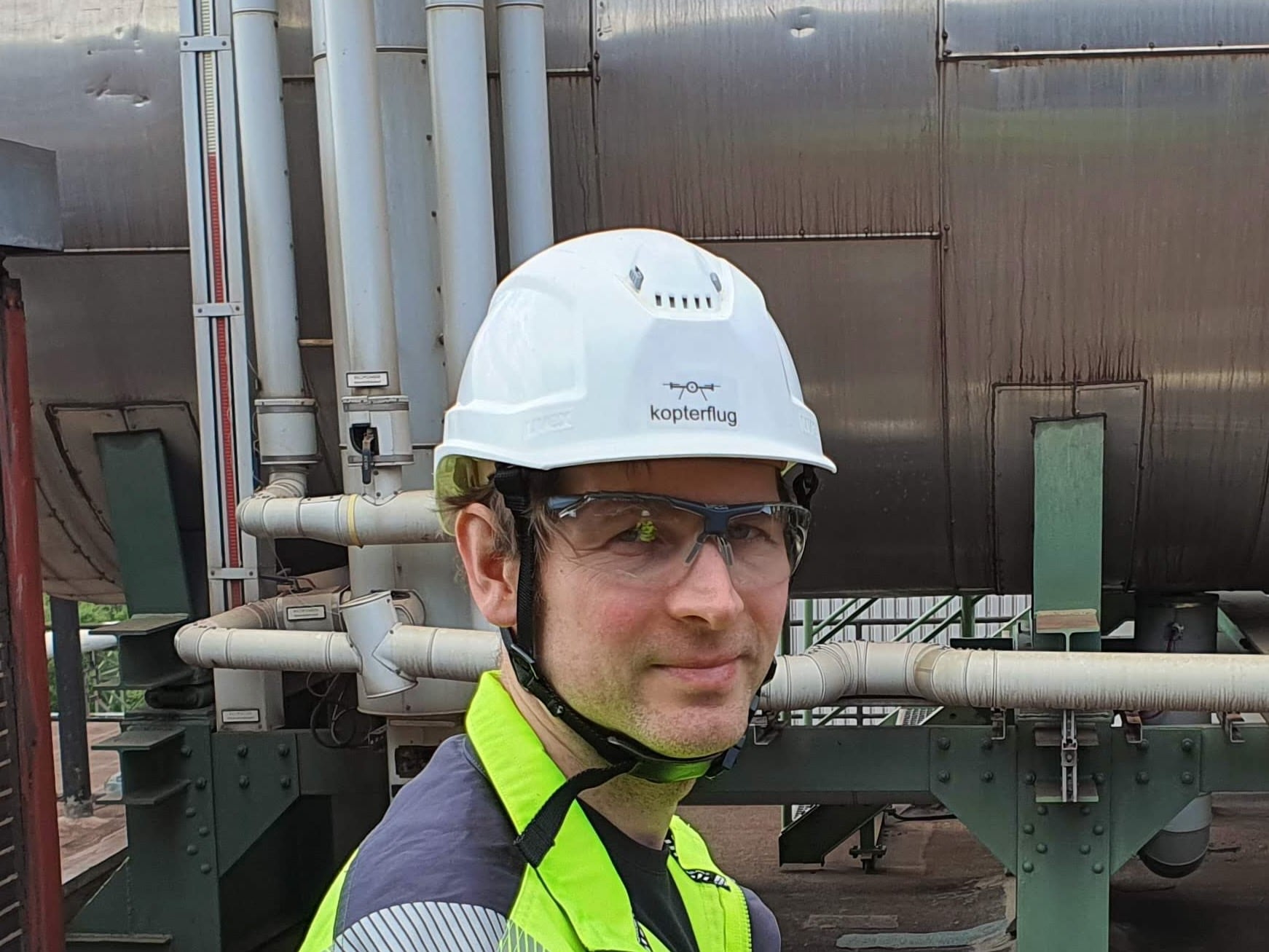
Your Contacts

Related Services
- Tank Inspection – Tanks and storage vessels inspected without entry and without production interruption.
- Confined Spaces Inspection – Confined spaces safely inspected without human entry using drone technology.
- Industrial Drone Inspection – Overview of all drone inspection applications in industry.
- Chemical Industry – Drone inspection in the chemical industry – safe and ATEX-compliant.
- Pharmaceutical Industry – GMP-compliant drone inspection in pharmaceutical production areas.
- Inspection Without Production Downtime – When and how assets can be inspected during ongoing operations.
Frequently Asked Questions
Is drone inspection in food processing facilities HACCP-compliant?
Yes. The ELIOS 3 deployment follows a defined hygiene protocol: the drone is cleaned with food-approved agents before each mission. A written foreign body checklist documents the drone’s condition before and after the flight. The entire deployment is documented in a format suitable for IFS Food and FSSC 22000 audits. The inspection takes place exclusively in emptied, cleaned vessels – never during active production.
What measures prevent foreign body contamination?
Before every deployment, the ELIOS 3 undergoes a systematic completeness check: all parts, screws and components are inspected for secure attachment and damage. Any loose or damaged elements would halt the mission. After the flight, the same check is repeated. Both checks are documented in a written protocol that becomes part of the HACCP documentation.
Which vessels in the food industry can be inspected by drone?
Typical inspection objects include: stainless steel mixing tanks and process vessels (dairies, beverage plants), grain and flour silos (mills, baking industry), brew kettles and fermentation tanks (breweries), sugar towers and crystallisers, piping bridges and transfer channels, and drying systems and exhaust ducts. The ELIOS 3 fits through openings from 50 × 50 cm.
Can the drone be used in explosion-hazardous areas such as grain silos?
In areas with dust explosion risk (e.g. Ex Zone 21 for grain or malt dust), gas measurement and dust concentration measurement before deployment are mandatory. The ELIOS 3 is designed for confined spaces and minimises turbulence. However, a thorough ATEX assessment must be carried out before each deployment in potentially explosive atmospheres.
How does the drone inspection integrate into existing quality management systems?
The inspection report is delivered in a format compatible with IFS Food, FSSC 22000 and internal HACCP documentation. All findings are classified with photographs and action recommendations. The foreign body protocol, cleaning documentation and flight log are handed over for archiving in your quality management system.
Does the drone need to be disinfected before deployment?
The drone is always cleaned with food-approved agents before deployment. Additional disinfection is performed when required by the facility operator – for example in dairies, breweries or other operations with specific disinfection protocols. The cleaning and disinfection procedure is coordinated with the facility’s quality assurance team in advance.
What does the drone detect inside food processing tanks?
Typical findings include: weld seam corrosion, coating damage (epoxy, phenol linings), dead-space areas with insufficient CIP effectiveness, deposits and discolouration, condition of fittings (agitators, spray balls, sensors), and general internal wall condition. All findings are documented in 4K with precise position reference.
How long does a drone inspection in a food processing facility take?
A single vessel inspection typically takes 15–45 minutes depending on size and complexity. Multiple vessels can be inspected in a single day. The overall time saving compared to conventional confined space entry methods is significant – no scaffolding, no PPE donning procedures, no complex safety chain required.
Get in Touch
Do you need HACCP-compliant drone inspection in your food processing facility? Describe your operations and the vessels to be inspected – we will develop a tailored, hygiene-compliant inspection concept.