
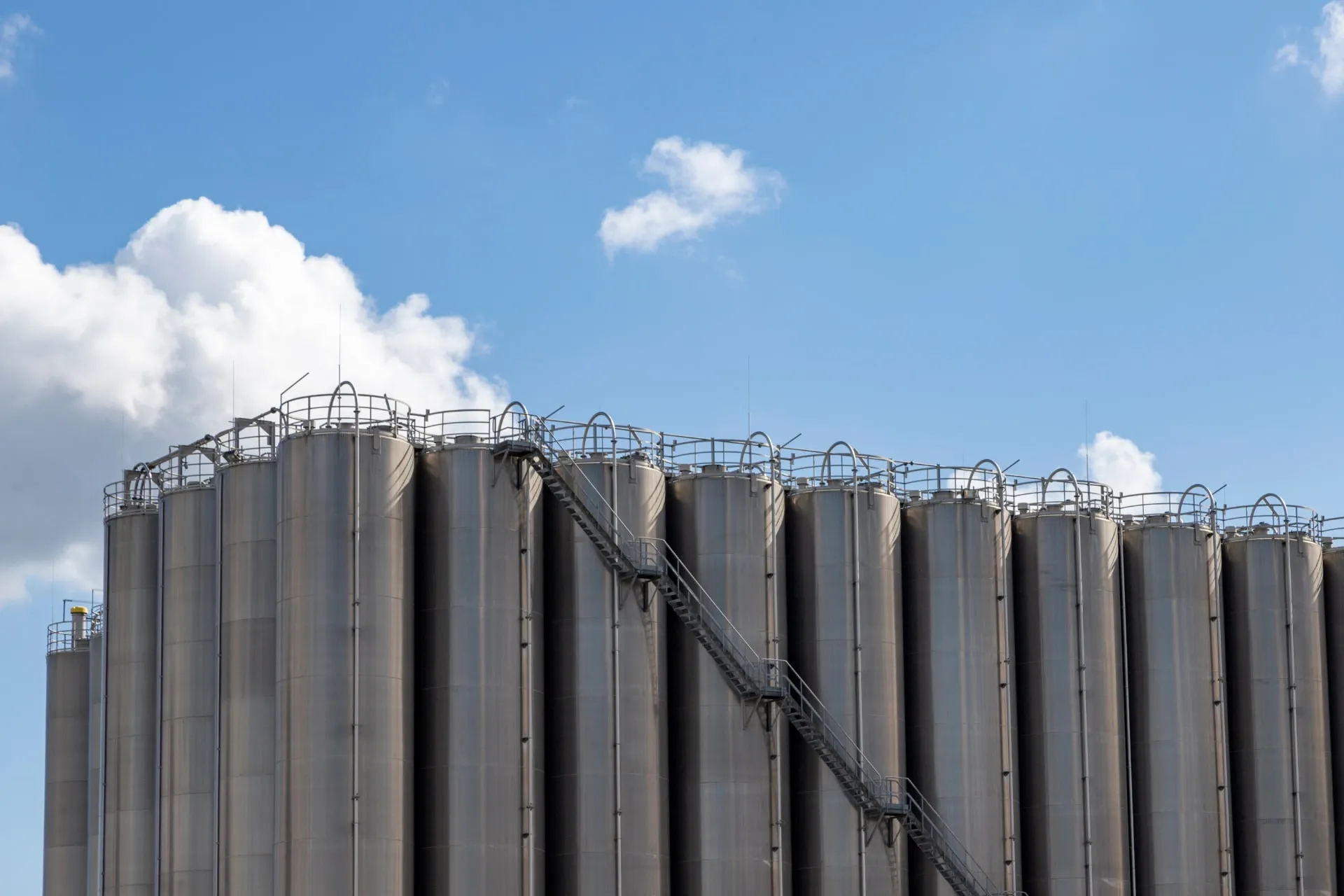
Typical Damage in Silos – What Drone Inspections Find
Grain, cement, coal, clinker: the Flyability ELIOS 3 documents the interior condition of silos and bunkers without human entry – DGUV-compliant, safe and with full 4K documentation. No scaffolding, no confined space entry procedure.
Silos: Confined Spaces with Particularly High Entry Risk
A silo is one of the most dangerous confined spaces in industry. The combination of narrow cross-sections, oxygen depletion by organic bulk material (grain, wood pellets), asphyxiation hazard through nitrogen blanketing (Inertisierung), explosion risk from dusts (Ex Zones 20/21), and the risk of entrapment in bulk material makes every human entry a high-risk procedure under DGUV Regel 103-003.
Nevertheless, silos must be regularly inspected for internal condition: wall corrosion, coating damage, cracks in concrete and steel walls, and the condition of internals such as fill cones, discharge devices, aeration floors and baffle plates. Deficiencies in these components can, in the worst case, lead to operational shutdowns, product contamination or structural failure.
The ELIOS 3 inspects silo inner walls and internals without any human entry. With its omnidirectional illumination and cage-protected rotor design, it moves safely even in narrow cylindrical structures and delivers usable 4K documentation from every part of the silo.



Silos are among the most dangerous confined spaces – dust explosion, oxygen deficiency, entrapment in bulk material. The ELIOS 3 turns inspection into a routine, risk-free task.
Typical Damage Patterns in Silos and Bunkers
Depending on bulk material, construction material and service age, silos and bunkers show characteristic damage patterns. The ELIOS 3 captures all visually relevant findings:




Silos by Industry: Cement, Grain, Power Plants
Inspection requirements differ considerably depending on industry and bulk material. Kopterflug has experience with the most important silo types:
Cement Works Silos
Clinker and cement silos are often the largest confined spaces on a plant site – heights of 30–60 m and diameters of 10–20 m are not uncommon. The dust atmosphere (cement dust, limestone) requires protective clothing for the pilot team, while the drone itself is unaffected thanks to its sealed electronics. Typical findings: clinker build-up on walls, corrosion on steel internals, damage to discharge cone plates and cracks in the concrete wall.
Grain and Agricultural Silos
Grain silos in port facilities, mills and feed plants are subject to food safety monitoring. Coating damage is particularly critical here because it compromises food safety. The drone is deployed after complete emptying – before the next fill cycle as a quality assurance measure.
Power Plant Coal Bunkers
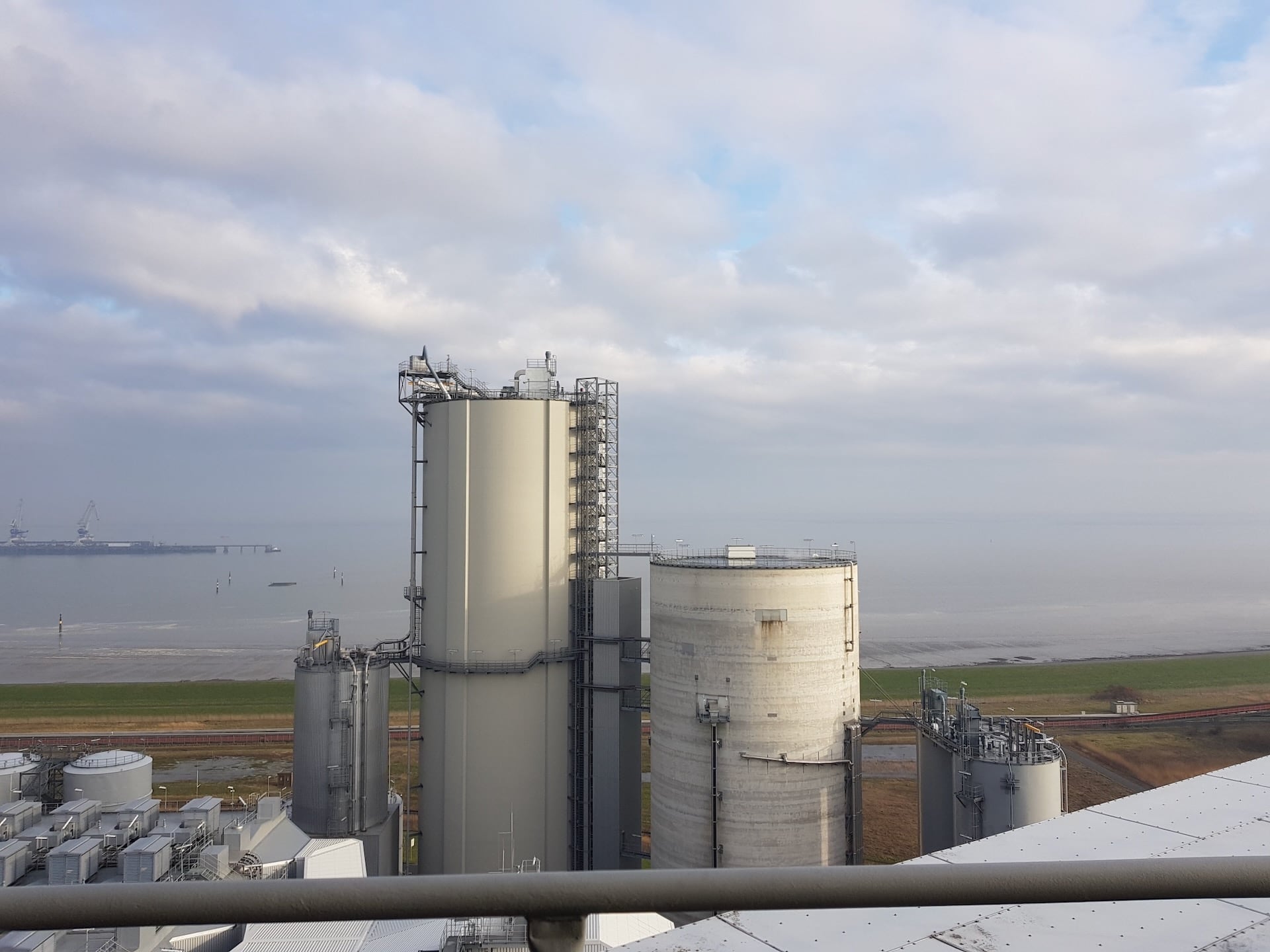
Coal bunkers and ash vessels in coal and biomass power plants are especially stressed by corrosion (wet ash, sulphuric acid condensate), mechanical wear and thermal loading. In addition to visual inspection, the thermography camera of the ELIOS 3 provides early indications of hotspots (self-ignition) and heat losses.
For power plant coal bunkers, the ELIOS 3 thermography delivers not only corrosion data but also early warnings of hotspots and incipient self-ignition – a critical safety advantage.
Preparation and Process of Silo Drone Inspection
A successful silo inspection begins long before the deployment day. Key prerequisites and steps:

Related Services
- Silo Inspection – Silos and bunkers fully and DGUV-compliantly inspected without manual entry.
- Confined Space Inspection – Confined spaces and enclosed vessels inspected safely by drone.
- Industrial Inspection Overview – All drone inspection applications in industry.
- Cement Industry – Silos, mills and calciners in cement plants inspected efficiently by drone.
- Tank Inspection – Tanks and storage vessels fully inspected without entry and without production interruption.
Your Contacts
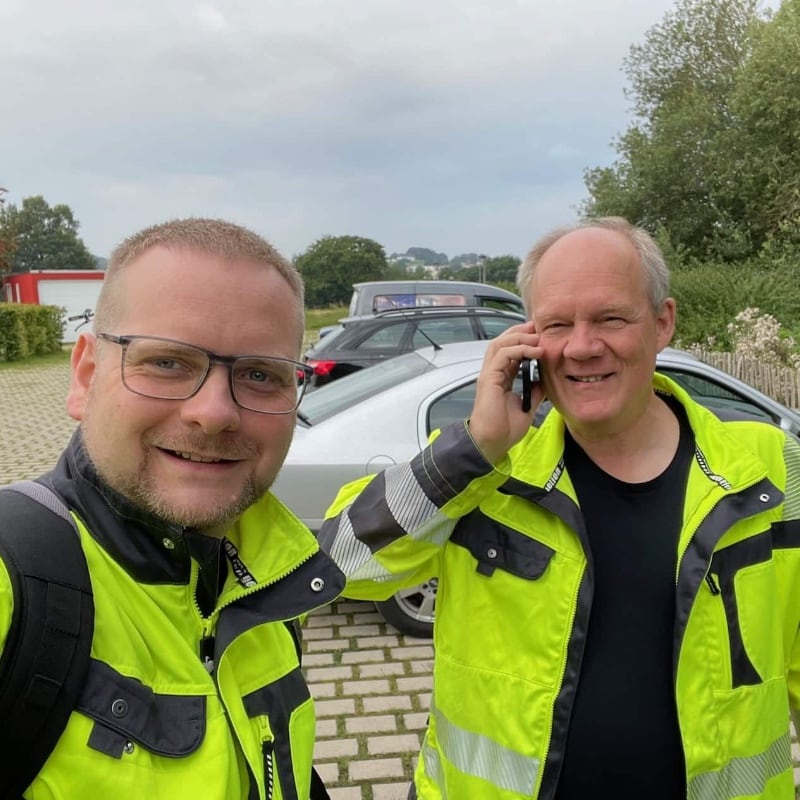
Christian Engelke and Dipl.-Ing. Karsten Lehrke – your direct contacts for silo and bunker inspection projects.
Since 2017 we have been carrying out drone inspections in silos and bunkers across all industries – cement, grain, coal, chemicals. We understand the specific requirements of each silo type and prepare a tailored safety concept for every deployment.
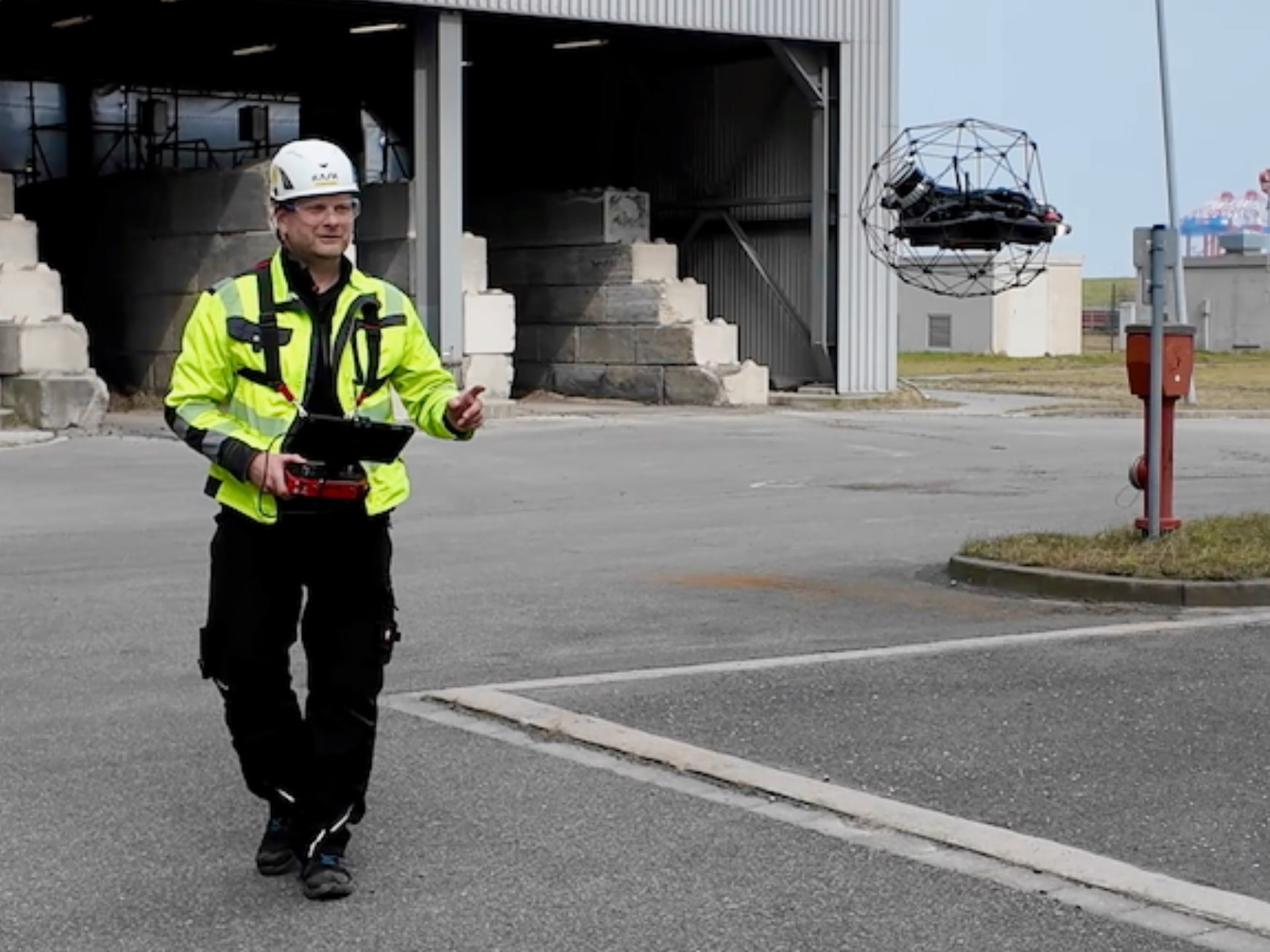 Christian
Founder & Drone Pilot
Christian
Founder & Drone Pilot
 Karsten
Project Manager
Karsten
Project Manager
 Philipp
Founder, Operations & Logistics
Philipp
Founder, Operations & Logistics
 Juliana
Drone Pilot
Juliana
Drone Pilot
 Stephan
Operations & Logistics
Stephan
Operations & Logistics
Frequently Asked Questions: Silo Inspection by Drone
Does the silo need to be completely empty for drone inspection?
For a full interior wall inspection, yes – the silo should be emptied as completely as possible. In special cases (fill level check, bulk material condition assessment) a partial-fill inspection can be discussed after risk assessment. We assess feasibility in advance and advise on the best approach for your specific silo type.
What size opening does the ELIOS 3 require?
In most cases, a DN 600 manhole (60 cm diameter) is sufficient. The drone measures approximately 50 × 45 cm. What matters in practice is not just the nominal diameter but the actual clear opening geometry, any edges at the manhole and the space immediately behind it.
Is the ELIOS 3 suitable for Ex Zone 20/21 silos?
The ELIOS 3 is not ATEX-certified. For dust-explosion-hazardous silos (Ex Zones 20/21), deployment is only permissible after inertisation or thorough ventilation and a documented gas/dust measurement confirming safe atmospheric conditions. We assess this together with you and the plant operator in advance.
What findings does a silo drone inspection typically deliver?
Typical findings include: wall corrosion (general, pitting), cracks in concrete walls, coating delamination, damage to discharge cone plates and aeration floors, build-up and deposits, damage to level sensors and baffles. The findings are documented in a structured report with photo evidence and severity classification.
Can grain silos be inspected without food safety concerns?
Yes – the ELIOS 3 drone itself does not contaminate the product. For food-grade silos we coordinate the deployment timing to coincide with a scheduled emptying. The drone is cleaned before deployment. We carry out no spraying or other activities that could affect the silo interior.
How long does a silo drone inspection take?
Depending on silo size and geometry: a standard industrial silo (500–2,000 m⊃) takes approximately 2–6 hours including setup, flight and on-site evaluation. Large cement silos (30–60 m height) may require a full day including multiple flights and battery changes.
Request Silo or Bunker Inspection
Tell us the silo size, bulk material and last inspection date – we assess feasibility and prepare a quote. No human entry, full documentation, DGUV-compliant.