
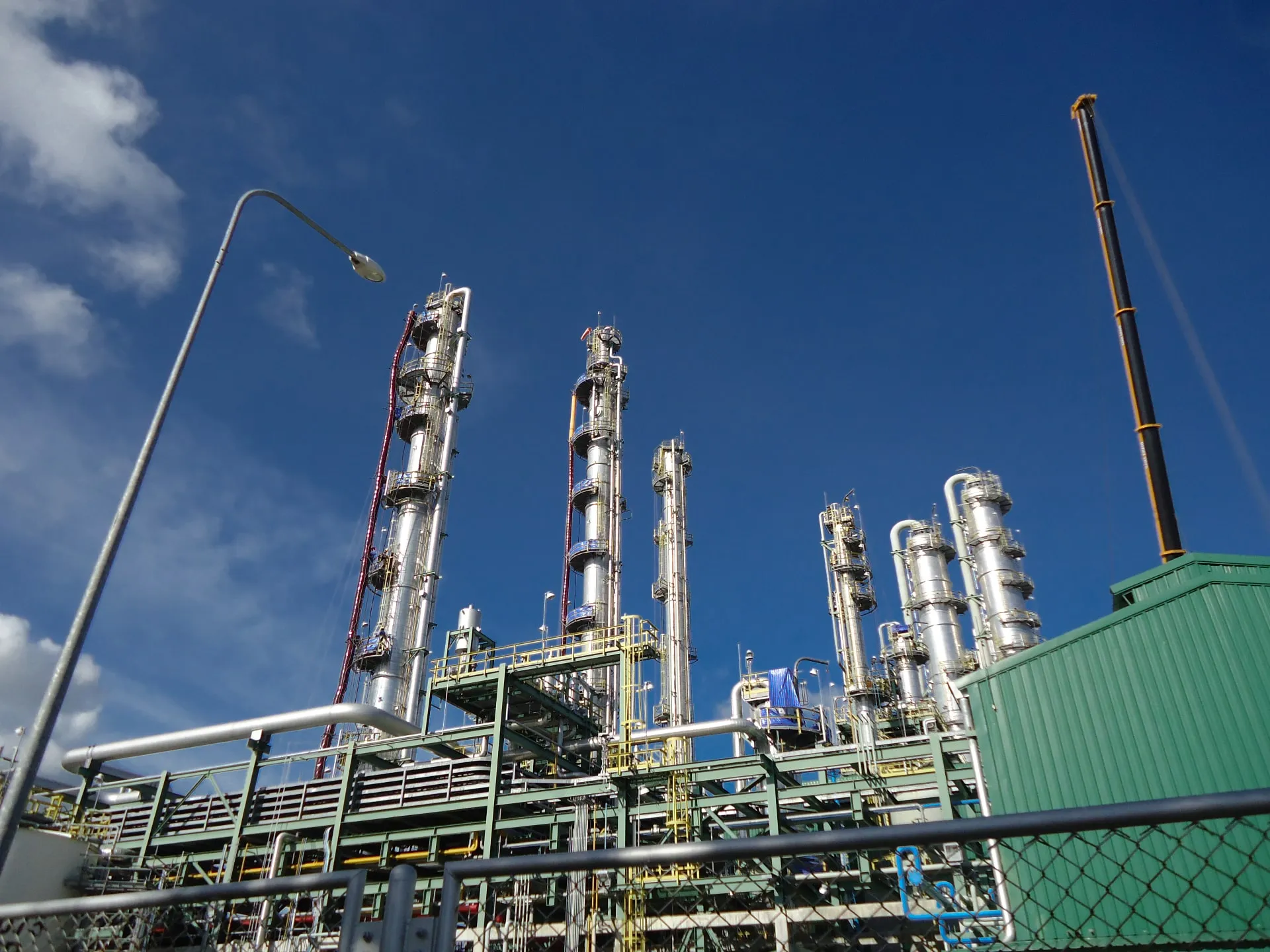
TAR Preparation by Drone – Scope Definition Before the Shutdown
How pre-inspection by drone transforms turnaround planning: scope definition, bill of materials validation, and eliminating surprises. A pre-TAR drone inspection 3–6 months before the shutdown can reduce costs by more than 16x its investment.
- Scope definition – fact-based rather than estimate-based maintenance planning
- Bill of Materials (BoM) validation – order the right material before the shutdown begins
- No surprises – damage discovered in advance, not after opening
- ROI >16x documented in real refinery case studies
The Core Problem of Every Turnaround: Scope Uncertainty
Every experienced turnaround manager knows the problem: the inspection plan is created based on historical data, remaining life calculations and experience – but the actual condition of the equipment is unknown at planning time. This leads to two equally costly extremes:
- Overscopping (Überplanung): Too much maintenance is planned. Material is ordered that is not needed. Personnel are mobilised that wait unproductively. Shutdown days are “consumed” without adding value.
- Underscopping (Unterplanung): Damage unknown at planning time is discovered only after opening the equipment. Material is not available, specialists must be mobilised at short notice. The shutdown extends – by five to six figures per day.
The solution: Pre-TAR inspection. By targeted deployment of drones in the weeks and months before the shutdown, the inspection scope is placed on a factual basis – not on assumptions.
Which equipment units benefit from pre-TAR inspection?
- Externally accessible structures without shutdown: Chimneys, flares, cooling towers (external), pipe racks, steel structures, coolers – all can be inspected with the ELIOS 3 (internal) or DJI Matrice 30T (external) before the shutdown.
- Tanks with residual content inspection: Flat-bottom tanks can in certain cases be partially inspected internally by drone with residual content present (roof and wall area).
- Chimneys and exhaust systems: Internal inspection also during operation – drone is introduced during shutdown of the unit or during production breaks.
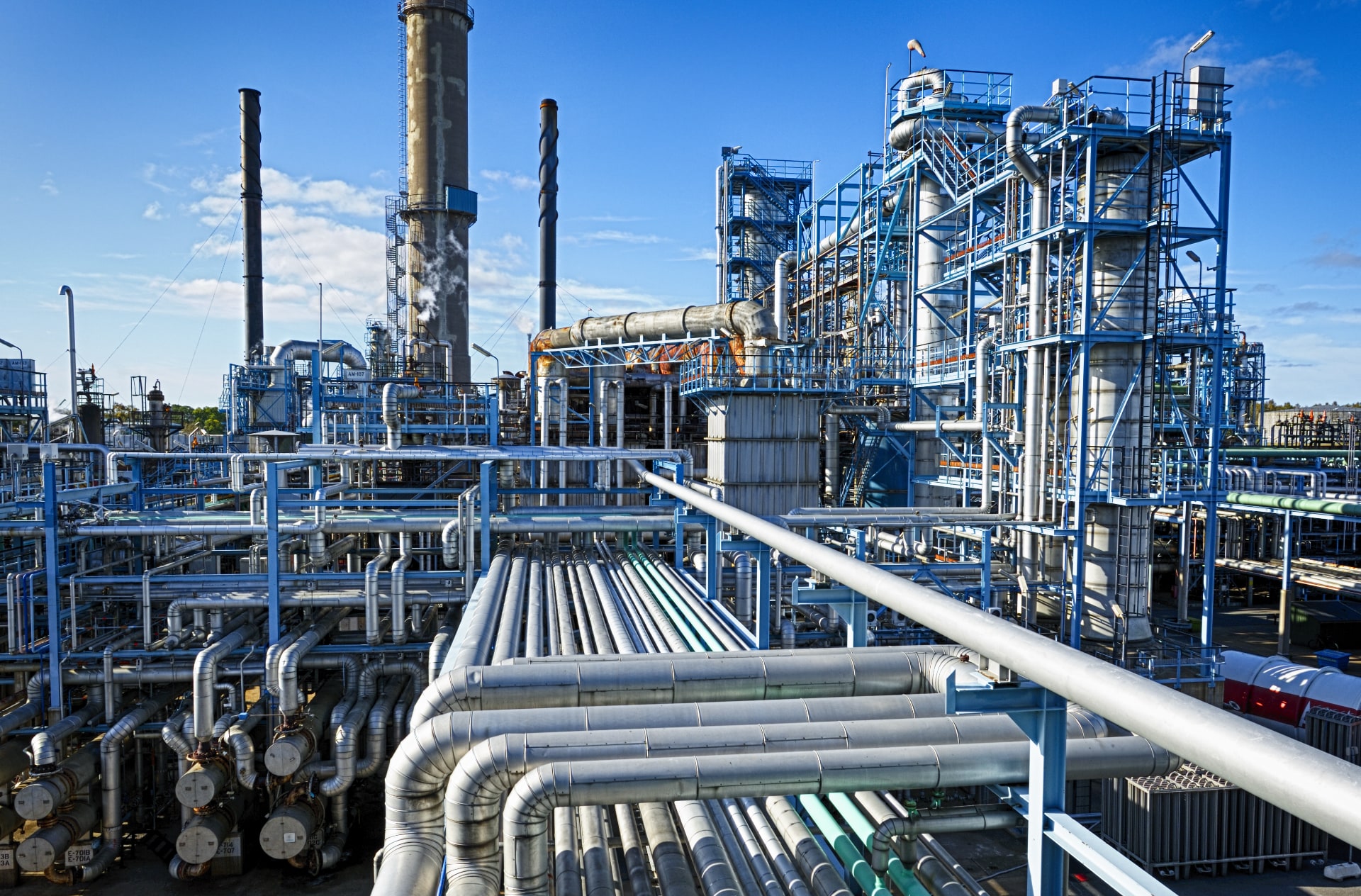
Scope Definition: How Pre-TAR Data Sharpens the Maintenance Plan
Pre-TAR inspection delivers concrete data that feeds directly into turnaround planning. The following planning steps benefit immediately:
Scope Reduction Through Factual Condition Knowledge
If the drone pre-inspection shows that internal wall corrosion in a tank is less severe than feared and no floor repair is required, the elaborate scaffolding can be eliminated. Scope and budget are adjusted accordingly. Typical savings potential:
- Removal of scaffolding positions that were originally provisionally planned
- Reduction of blasting and coating area to actually corroded zones
- Shortened planned shutdown duration as individual equipment units drop out of the critical path
Scope Expansion Through Early Warning
Equally often, pre-TAR inspection reveals damage that would have been discovered only after opening without pre-inspection. The decisive difference: with timely detection, the required material can be ordered before the shutdown begins. Typical cases:
- Advanced chimney internal corrosion: special material for coating or internal lining procured in time
- Lining damage in boilers: refractory material order 8–12 weeks before TAR possible
- Structural damage to steelwork: steel sections and welding material prepared in advance
Bill of Materials (BoM) Validation
The BoM – the material list for the turnaround – is a central planning document. Pre-TAR drone data allows a damage-based BoM validation instead of a blanket conservative one. Every position in the BoM can be checked against the actually observed damage: is the material really needed? In what quantity? What specification?
Timeline: When Which Drone Inspection Before the TAR?
The integration of drone inspection into the TAR preparation process follows a proven timeline:
12–18 Months Before TAR: Structures and Chimneys
Long before the shutdown, all objects that do not require a plant shutdown can be inspected:
- Chimneys and exhaust systems (internal ELIOS 3 during short production break, external Matrice 30T at any time)
- Pipe racks and supporting structures
- Cooling towers (external structure, possibly internals during partial shutdown)
- Industrial buildings and hall structures
Results feed into long lead item ordering – materials with long delivery times (special seals, exotic materials, imported refractory).
6–9 Months Before TAR: Tanks and Vessels (External)
External inspections of tanks and vessels with the DJI Matrice 30T provide indications of:
- CUI suspect zones at insulated pipeline connections
- External coating condition and recognisable hotspots
- Structural anomalies at foundations, supports and connections
3–6 Months Before TAR: Internal Areas During Partial Shutdown
For equipment that is shut down for short maintenance windows or production breaks, internal inspection is recommended:
- Tanks during draining for product change or maintenance
- Boilers during brief revision shutdowns
- Chimneys during unit change or short production interruptions
Finding data 3–6 months before the TAR is ideal: sufficient time for material ordering, but close enough to the TAR for precise condition assessment.
Economics of Pre-TAR Inspection: Numbers and Examples
Pre-TAR drone inspection is cost-effective – decisively so. The following figures provide orientation:
Cost Comparison: Pre-TAR Inspection vs. Surprise During TAR
- Typical pre-TAR inspection (3–5 equipment units, 1 day): €3,000–8,000 total
- Typical costs of scope expansion during TAR from unknown damage: €20,000–150,000 (material, emergency orders, overtime, extended shutdown duration)
- Saved shutdown days through validated scope reduction: 0.5–3 days – at large facilities, one day equals €50,000–200,000 in lost production
Case Study: Refinery Turnaround
A refinery operator conducted a pre-TAR inspection of 4 tanks and 2 chimneys 6 months before the TAR (ELIOS 3 + DJI Matrice 30T, 2 deployment days, total cost approx. €12,000). Results:
- Tank 1: Condition better than expected – planned complete recoating reduced to targeted partial coating. Savings on coating material and scaffolding: approx. €45,000.
- Tank 3: Severe floor corrosion discovered – special plate and welding specialists ordered in time, no delivery delays during TAR. Without pre-TAR: estimated 3 extra shutdown days.
- Chimney 1: Internal lining damage in condensation zone discovered – specialist material and specialist firm contracted 5 months in advance.
Net savings from pre-TAR: over €200,000 – on an investment of €12,000. Return on investment: >16x. Contact us to develop a similar analysis for your next turnaround.
Your Contacts at Kopterflug
Our team supports turnaround managers with pre-TAR drone inspection across Germany – refinery, chemical, cement, power generation.
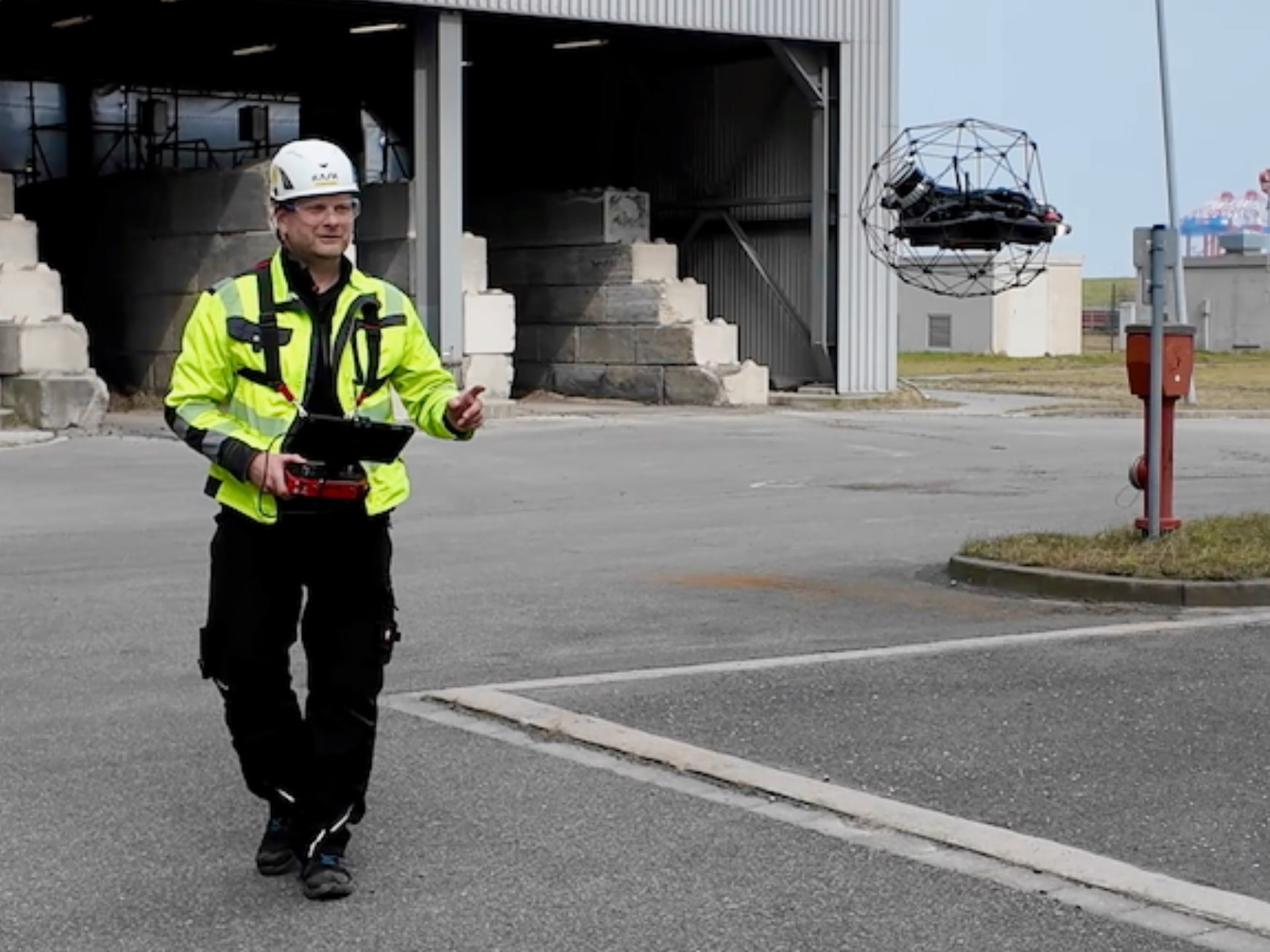 Christian Engelke
Founder & Drone Pilot
Christian Engelke
Founder & Drone PilotConfined Spaces since 2017
 Karsten Lehrke
Project Manager
Karsten Lehrke
Project ManagerDipl.-Ing. Mechanical Engineering
 Philipp
Drone Pilot
Philipp
Drone PilotIndustrial Inspection
 Max
Inspection Specialist
Max
Inspection SpecialistData Analysis
 Benjamin
Drone Pilot
Benjamin
Drone PilotField Operations
Related Services
- Turnaround Management by Drone – Drone inspection in all TAR phases
- Tank Inspection – Internal tank inspection without scaffolding
- Boiler Inspection – Water tube boilers and steam generators by drone
- Chimney Inspection – Internal and external, even without full shutdown
- Chemical Industry Inspection – Columns and reactors
- Oil & Gas / Refinery Inspection – Inspection for refineries and oil & gas plants
Frequently Asked Questions
When is the best time to commission a pre-TAR inspection?
The ideal window is 3–6 months before the TAR. This leaves enough time for material ordering and scope adjustments while being close enough to the TAR for a precise condition snapshot. For structures that can be inspected without a shutdown (chimneys, pipe racks, external structures), 12–18 months before the TAR is realistic.
Which equipment can be inspected before the shutdown?
Everything that does not require the plant to be shut down: chimneys and stacks (external always, internal during brief production pauses), pipe racks and supporting structures, cooling towers (external), and outdoor steel structures. Tanks can sometimes be partially inspected while containing residual product. During planned partial shutdowns or product changes, boilers and tanks can also be internally inspected.
How is the pre-TAR inspection coordinated with the TAR planning process?
We work directly with the turnaround manager or site maintenance team. Findings are documented in structured reports that can be directly integrated into the TAR planning system (SAP PM, CMMS etc.). We clarify the interface together in a kick-off conversation.
What happens if the pre-TAR inspection finds unexpected severe damage?
That is exactly the value of pre-TAR inspection. Finding severe damage 3–6 months before the TAR means: material can be ordered, specialists engaged, and the work scope extended in a controlled manner. The same damage discovered on opening day would force an emergency response – with all the cost and schedule consequences that entails.
Can the pre-TAR results be used directly in the TAR inspection report?
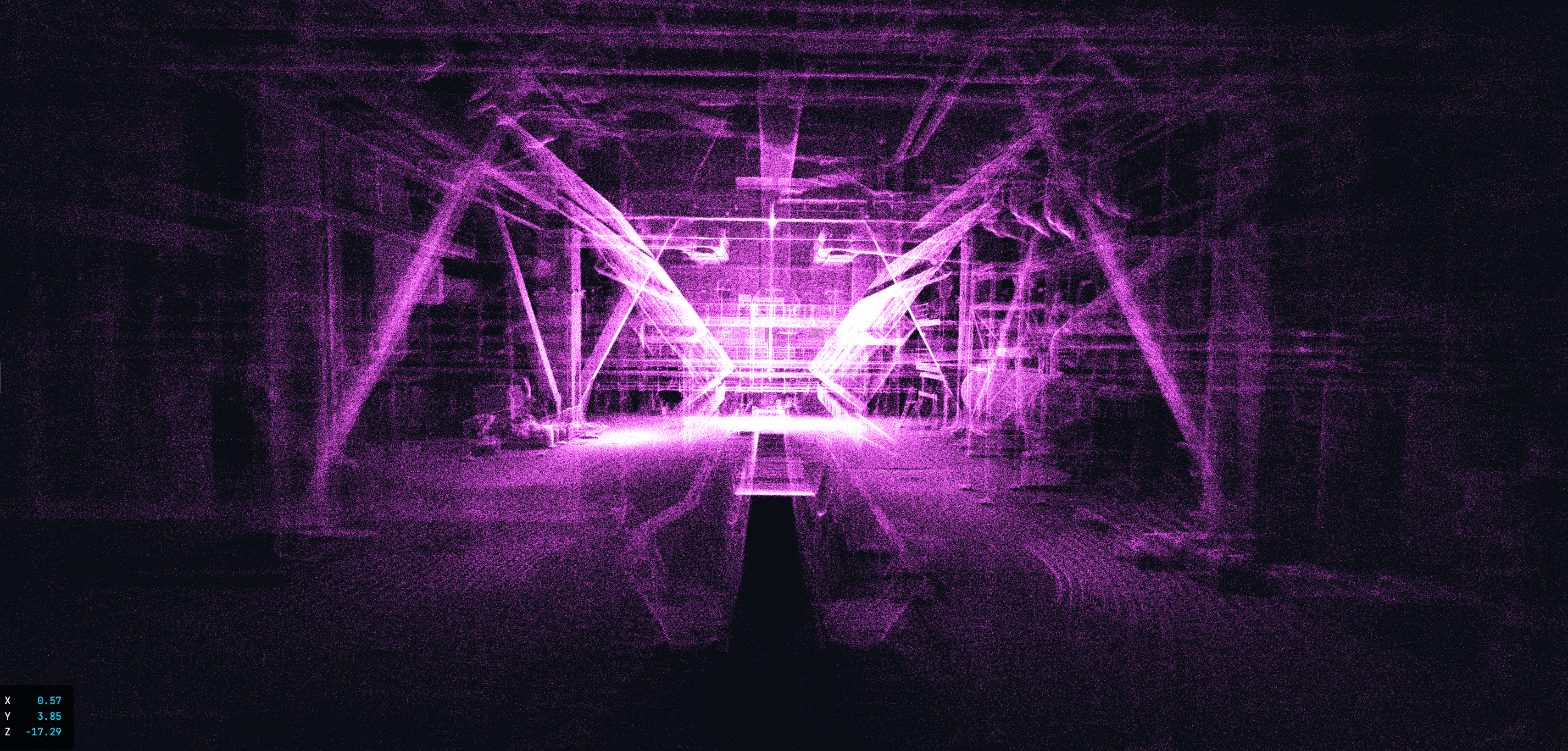
Yes. Pre-TAR drone footage and 3D models serve as the baseline condition documentation. During the TAR, updated inspection data is compared against the pre-TAR baseline – showing which damage has progressed, which new findings have appeared, and which areas match expectations. This provides the approved inspection body (ZÜS, TÜV, DEKRA) with a richer data foundation.
Contact Us
We assess free of charge which equipment units can be inspected by drone before the shutdown – and how much scope uncertainty can be eliminated. Send us your inspection plan and we will get back to you.
Inspectomatic GmbH
Im Hollergrund 175A, 28357 Bremen, Germany
+49 421 408 937-0 ·
[email protected]
Source page: /en/knowledge-base/turnaround-vorbereitung-drohne