
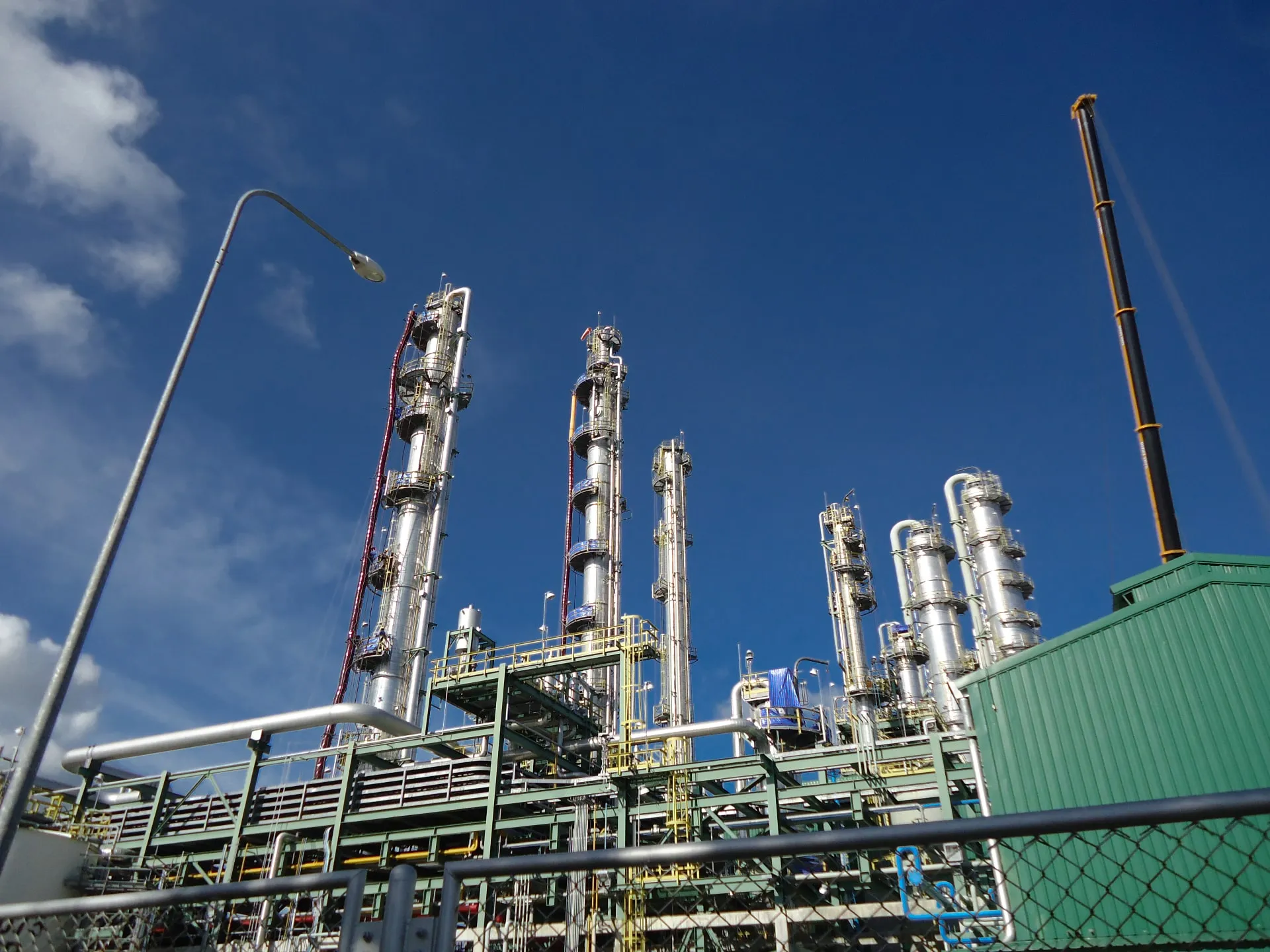
Turnaround Management: Drone Inspection for Planned Shutdowns
Reduce inspection scope, shorten downtime and eliminate surprises – with the Flyability ELIOS 3 in all phases of the planned plant shutdown (Turnaround / TAR). Pre-TAR inspection, scope reduction and parallel inspection during active trades.
- Pre-TAR inspection – know what to expect before the shutdown begins
- Scope reduction – less scaffolding, less confined entry, targeted inspection
- Parallel inspection – drone inspects while other trades work simultaneously
- Available nationwide – refineries, chemical plants, power stations
Turnarounds: Every Day Counts
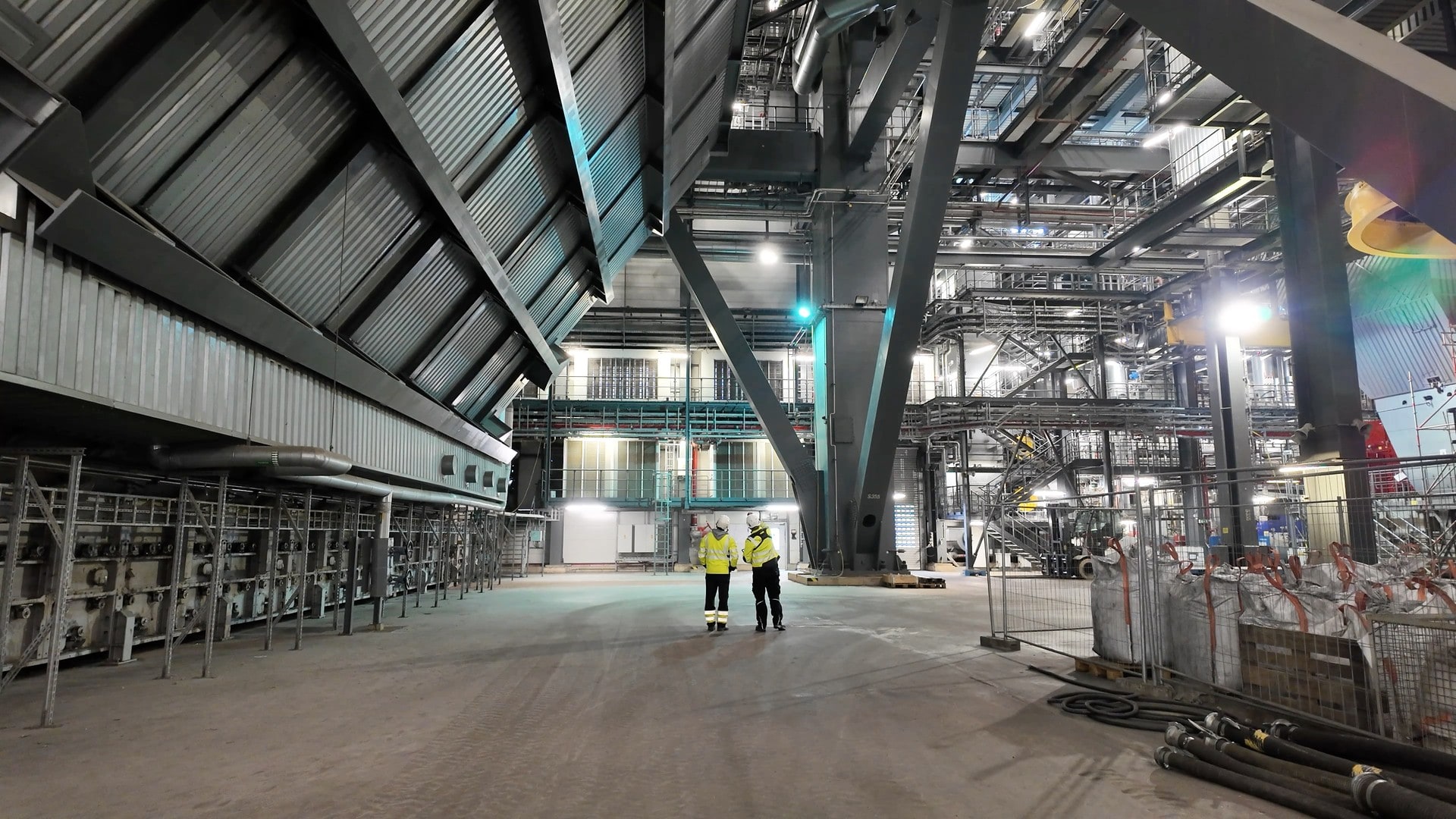
Drone inspection during a planned shutdown – no scaffolding, no wasted time.
A planned plant shutdown (Turnaround / TAR, German: Anlagenstillstand) is the most expensive recurring event in the life of a process plant. At the same time, it is the only opportunity to inspect confined spaces (Confined Spaces) such as tanks, boilers and columns from the inside.
The ELIOS 3 addresses the inspection bottleneck on three levels:

Advance inspection before the shutdown – know what to expect before the TAR begins.

Less scaffolding, less confined entry, less manual inspection – targeted reduction of inspection scope.

The drone inspects equipment while other trades work in parallel.
The Three Phases: Before, During and After the TAR
The drone adds value in every phase of the turnaround – not only during the inspection itself.
Chimneys, accessible tanks and structures are inspected by drone in advance. Result: no surprises after opening. Inspection plan validated, materials ordered, personnel planned to actual need.
Drone as the first tool after opening/release. No scaffolding, no human entry. The drone identifies damage locations in the 3D model – the inspector only visits critical spots directly (hybrid inspection). German: Hybridinspektion.

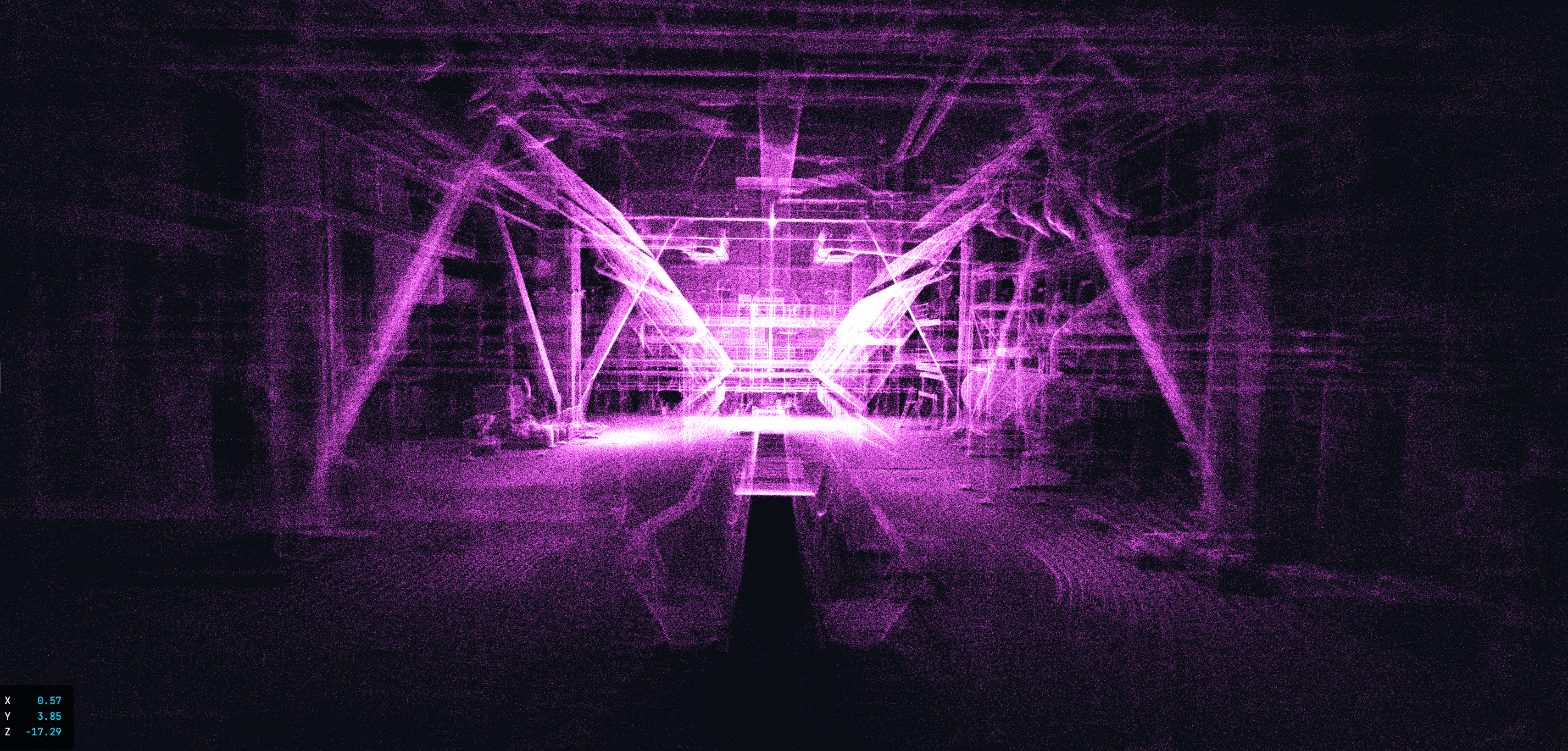
4K video, LiDAR 3D model with colourisation, thermography overlay. Every finding localised in 3D. Reference dataset for the next TAR – damage progression monitoring included.
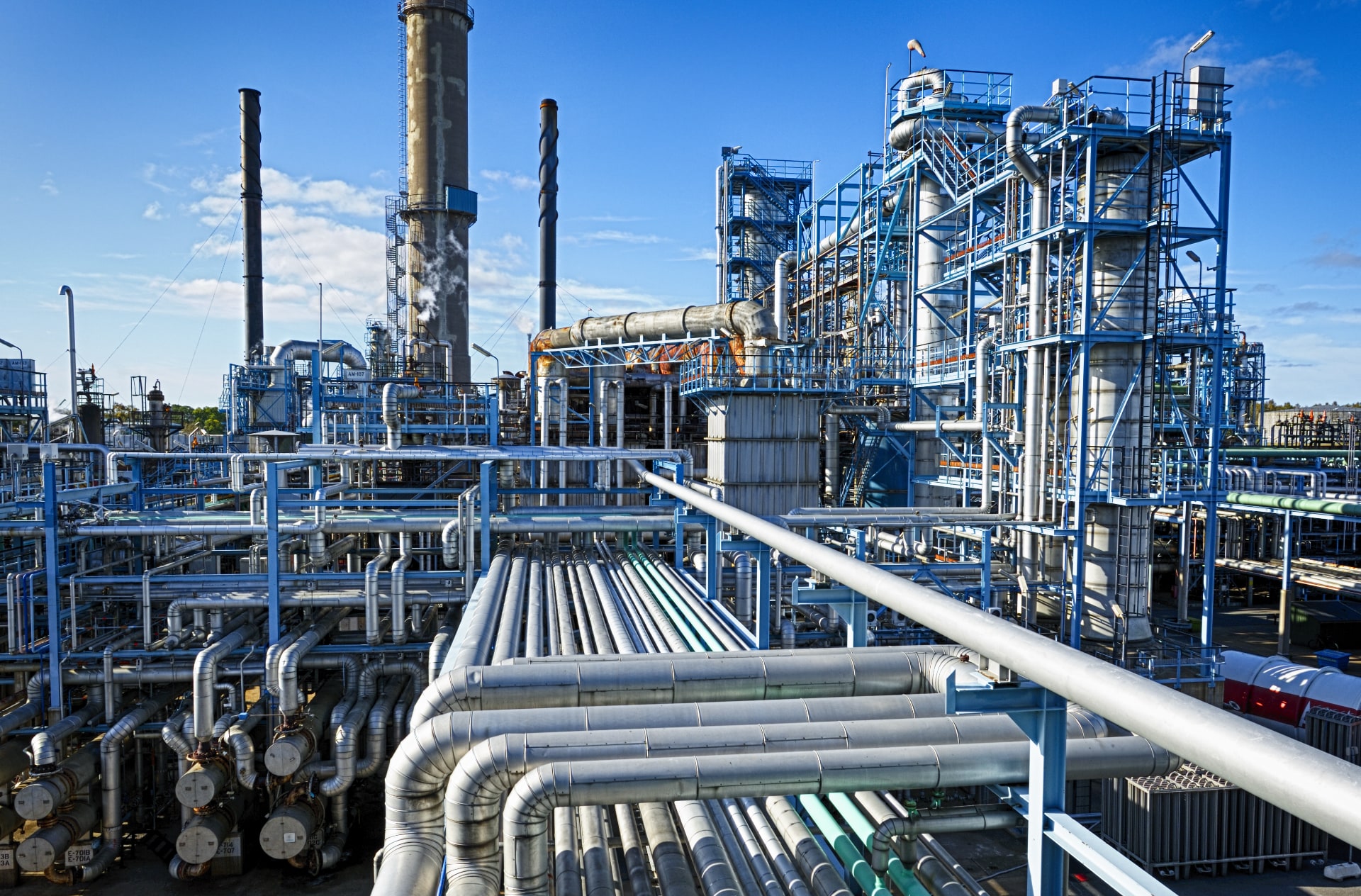
Equipment Inspected by Drone in the TAR
The ELIOS 3 is deployed on numerous equipment types – without scaffolding, without human entry into the confined space:

Internal wall corrosion, floor plates, roof structure, coating condition. Fits through DN 600 manholes.

Baffles, tube walls, heating surfaces, lining. VT + thermography identifies refractory damage (Ausmauerungsschäden).
Trays, packings, distributors, internal wall corrosion – internals condition determines the maintenance scope.
Lining, tie anchors, condensate zones. Can often be inspected before the actual TAR begins.

Tube bundle head, tube plate, baffle plate – visual. For larger units: LiDAR for geometry.
Internals, droplet separators, water distribution, concrete shell – inspectable without scaffolding.
Where the Time Savings Come From
The time savings arise not only from the inspection itself – but above all from eliminating preparatory and safety overhead.
Scaffolding in a large tank or boiler takes days. The drone needs no installation. German: Gerüstbau.

A drone flight captures in minutes what a walkdown takes hours. Multiple equipment units on the same day.
The drone blocks no other trades. Inspection of Tank A, cleaning of Tank B, repair of Tank C – simultaneously.

No human entry = no rescue chain (safety attendant, breathing apparatus, rescue equipment). Saves time and personnel. German: DGUV-Aufwand.
Turnaround Planning: How to Integrate the Drone
Integration into the turnaround plan follows a clear timeline.
Define inspection scope, identify pre-TAR opportunities, commission drone inspection.
Conduct pre-TAR inspections. Incorporate results into TAR scope, validate materials and personnel planning.
Drone as the first tool after opening/release. Immediate analysis, real-time scope adjustment.
Complete 3D documentation as reference. Damage progression monitoring for the next TAR.
Your Contacts at Kopterflug
Our team has been supporting turnarounds at refineries, chemical plants and power stations with drone inspection since 2017.
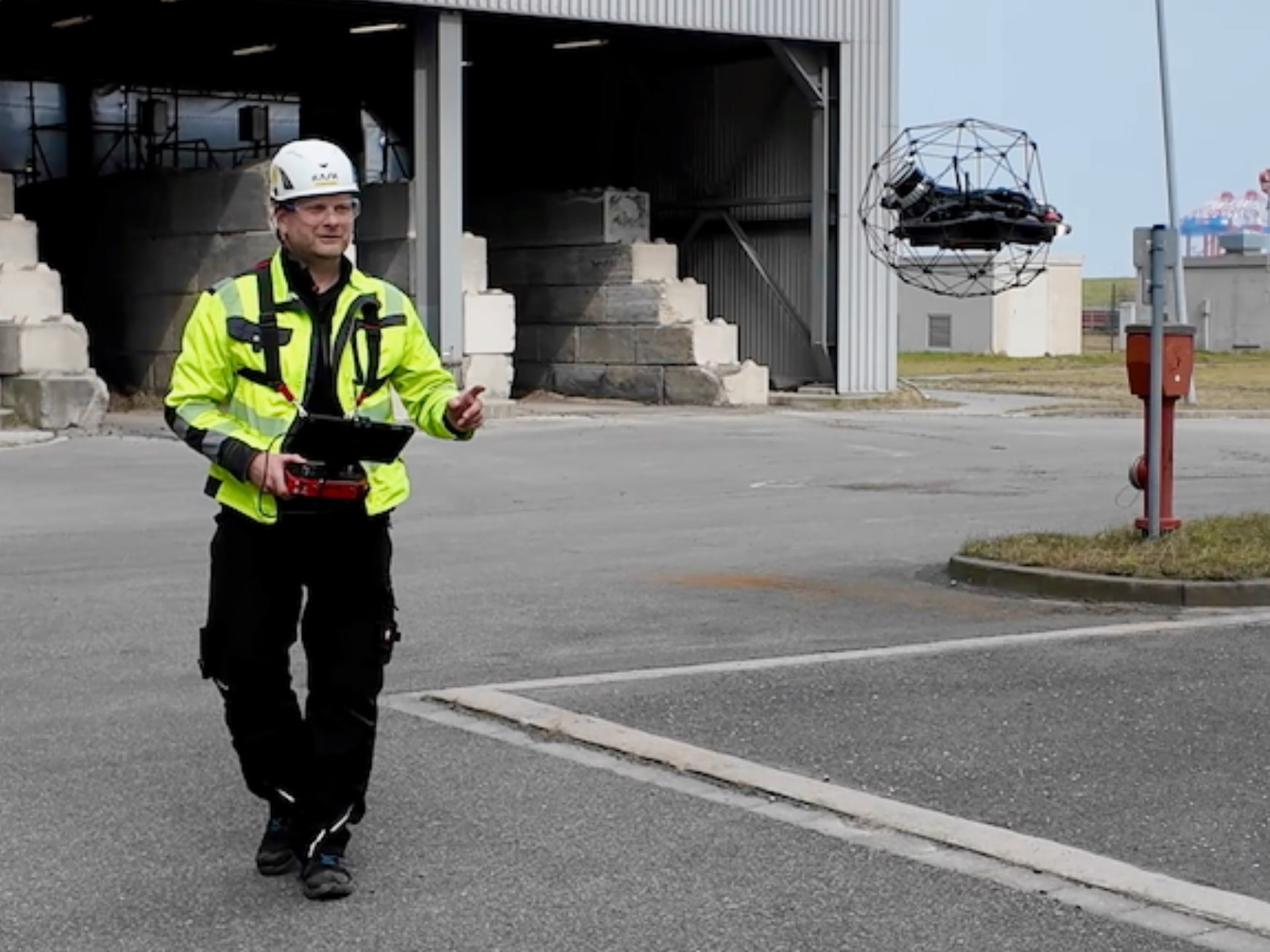 Christian Engelke
Founder & Drone Pilot
Christian Engelke
Founder & Drone PilotConfined Spaces since 2017
 Karsten Lehrke
Project Manager
Karsten Lehrke
Project ManagerDipl.-Ing. Mechanical Engineering
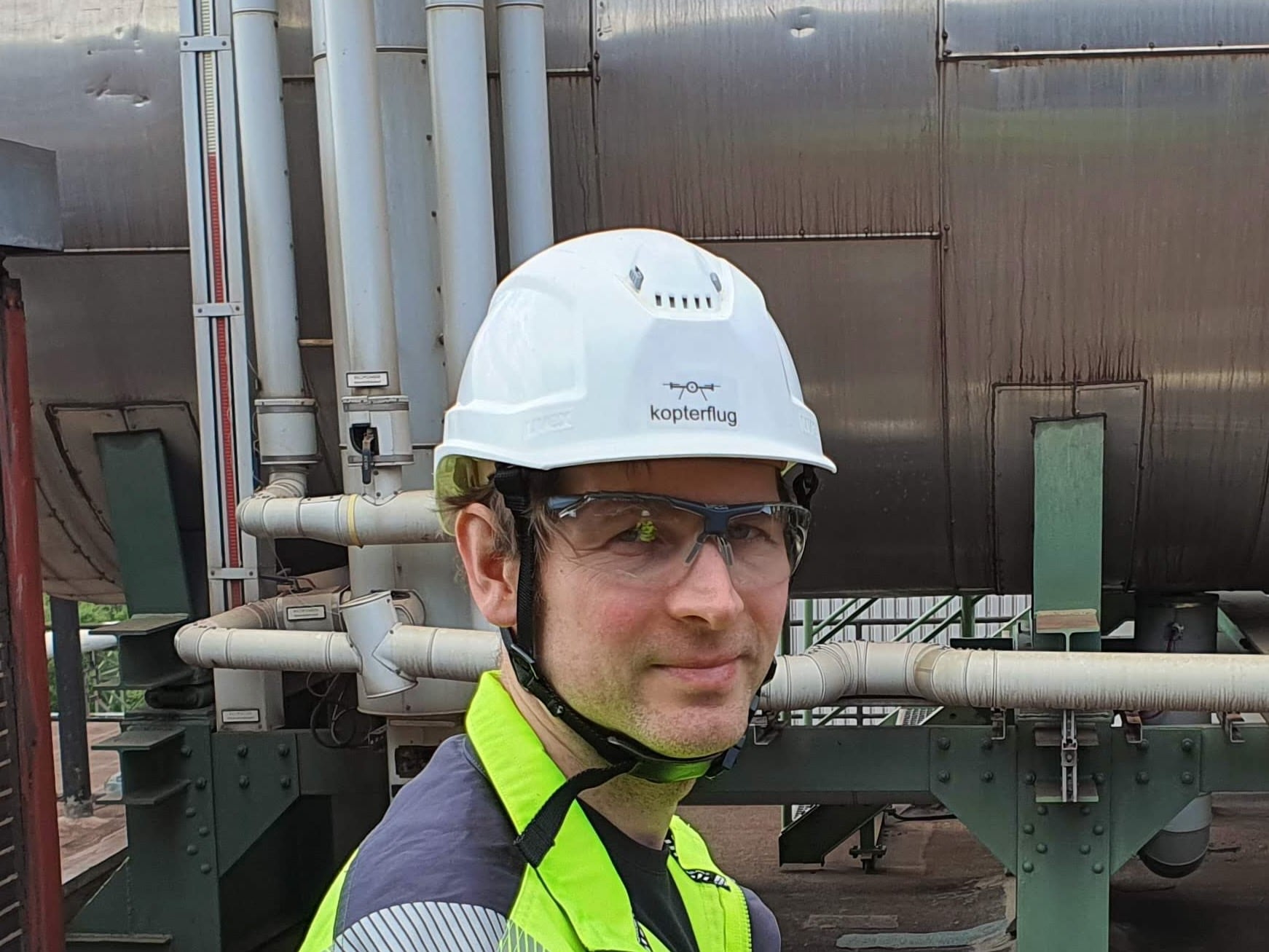 Philipp
Drone Pilot
Philipp
Drone PilotIndustrial Inspection
 Max
Inspection Specialist
Max
Inspection SpecialistData Analysis
 Benjamin
Drone Pilot
Benjamin
Drone PilotField Operations
Related Services
- Industrial Drone Inspection – Comprehensive inspection for all sectors and plant types
- Confined Spaces Inspection – Safe inspection without human entry
- Tank Inspection – Internal tank inspection inside and out without scaffolding
- Boiler Inspection – Water tube boilers and steam generators by drone
- Chemical Industry Inspection – Drone inspection for chemical plants, columns and reactors
- Oil & Gas Inspection – Inspection for refineries, pipelines and oil & gas plants
- TAR Preparation by Drone – Scope definition before the shutdown
Frequently Asked Questions
What is turnaround management and why is inspection planning critical?
Turnaround management (TAR) describes the structured planning, execution and follow-up of planned plant shutdowns – at refineries, chemical plants or power stations typically every 3–6 years. The shutdown is the only opportunity to inspect confined spaces from the inside. Every additional shutdown day costs five to six figures at large facilities, which is why efficient inspection planning directly affects the economics of the TAR. Drone inspection measurably shortens the inspection bottleneck – through pre-TAR intelligence, scope reduction and parallel flights during active trades.
How early can a drone deployment be planned into the TAR?
We recommend involvement no later than 3–6 months before the TAR, so that pre-TAR results can still feed into scope and materials planning. In urgent cases, shorter-notice deployments are also possible – then the pre-TAR phase is skipped, but scope reduction and parallel inspection during the TAR itself remain. The more we know about the plant and equipment in advance, the more efficient the deployment. Contact us – boiler and tank inspections in the TAR are our core business.
Can the drone fly at night or during shift operations?
Yes, the ELIOS 3 flies with its own 16,000-lumen illumination and is completely independent of daylight. Night shift deployments are possible and often beneficial in turnarounds because most trades work in parallel during the day. The drone has no increased safety requirements for night flight – the pilot team only needs adequate lighting in front of the manhole.
How quickly are inspection results available?
4K video and initial visual findings are available immediately after the flight – the expert or maintenance manager can make decisions the same day. LiDAR 3D models and complete inspection reports take a few working days. For critical immediate decisions we deliver prioritised preliminary assessments of the most important findings.
Does the drone disturb other trades in the turnaround?
No. The drone operates entirely inside the equipment and blocks no external work. The pilot team stands in front of the manhole – space requirements are minimal. This allows genuine parallelisation: while the drone inspects Tank A, another team cleans Tank B and repair begins on Tank C.
What does drone inspection cost in a turnaround?
Costs depend on the number of equipment units, inspection scope and required sensors (VT, thermography, LiDAR). In practice, the drone investment pays for itself with a single saved scaffolding day. For a concrete assessment, we recommend comparing total costs. We can prepare a free initial evaluation for your specific equipment.
Contact Us
We will assess free of charge which of your equipment units can be inspected more efficiently by drone – and estimate how much downtime you can save. Send us your inspection plan and we will get back to you.
Inspectomatic GmbH
Im Hollergrund 175A, 28357 Bremen, Germany
+49 421 408 937-0 ·
[email protected]
Source page: /en/knowledge-base/turnaround-management-drohneninspektion