
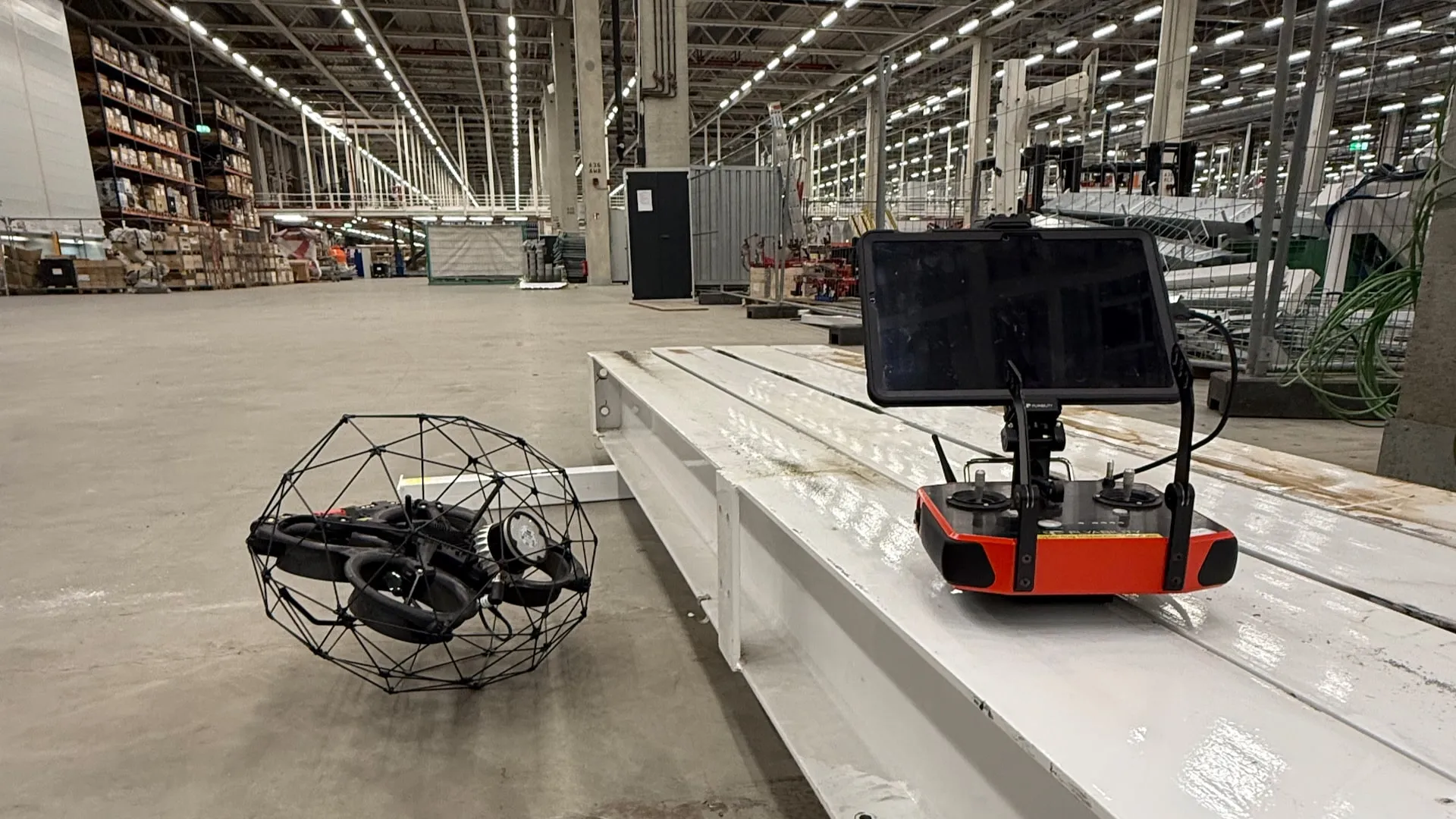
Drone Inspection for Insurers and Compliance
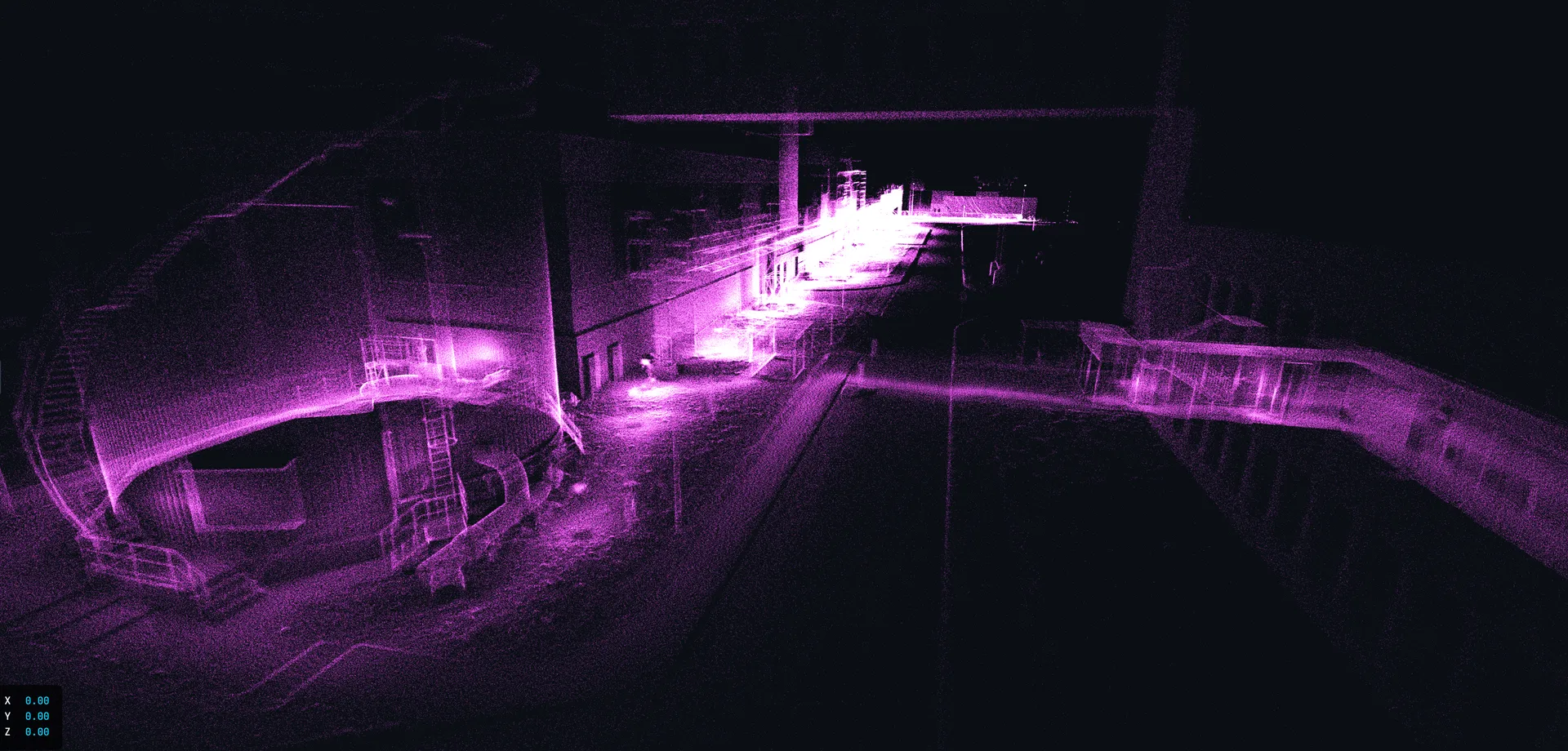
Inspection data that convinces inspection organisations and insurers – traceable, reproducible, standard-referenced. 4K + LiDAR + thermography in a format that TÜV, DEKRA and industrial insurers accept.
The Problem: Inspection Results Nobody Trusts
You have had a drone inspection carried out. The results look good. Then comes the question from the expert, the insurer or the authority: Can you prove that this data is reliable?
This is the moment where many drone inspections fail. Not because of the technology – but because of the documentation. Nice drone images are not enough. What inspectors and insurers need:
- Traceable finding localisation – not just a photo, but the exact position within the component
- Reproducible results – the same finding must be comparable at the next inspection
- Standard reference – which testing procedures were applied, which standards followed?
- Qualification of the inspector – who collected and assessed the data?
We deliver not just data – we deliver data in a form that inspection organisations and insurers accept.
Note: This article is for general information purposes and does not constitute legal advice. Inspectomatic GmbH accepts no liability for the accuracy, completeness or currency of the information. The current versions of regulations on gesetze-im-internet.de and from the relevant authorities are always authoritative.
What Inspection Organisations Need
We work regularly with experts from TÜV, DEKRA, DNV and other inspection organisations. Over time we have learned what they expect from inspection data:


What Insurers Need
Industrial insurers (FM Global, Allianz AGCS, HDI, Zurich etc.) have a concrete interest in good inspection data – because they need to assess their risk:


Our Documentation Standards
Every inspection includes the following deliverables:
Relevant Standards and Compliance Frameworks
Plant Safety (Germany):
- BetrSichV – Betriebssicherheitsverordnung (inspection obligations for equipment requiring supervision)
- DGUV Regel 113-004 – Working in vessels, silos and confined spaces
- TRBS 1112 – Maintenance
NDT / ZfP (Non-Destructive Testing):
- DIN EN ISO 17637 – Visual testing of welds
- DIN EN 13018 – Visual testing: general principles
Tanks:
- API 653 – Tank Inspection, Repair, Alteration, and Reconstruction
- EEMUA 159 – Guide to the Inspection of Aboveground Storage Tanks
Boilers:
- EN 12952 – Water tube boilers
- API 510 – Pressure Vessel Inspection Code
Maritime:
- IACS Guidelines – Class Survey Requirements
- SOLAS / IMO regulations
Important: No inspection organisation is obliged to accept drone data as the sole basis for inspection. The decision always rests with the responsible expert. Our experience: acceptance is growing steadily, especially when data quality is high and documentation meets requirements.
Working with Inspection Organisations: Our Approach
We see inspection organisations not as adversaries but as partners. Our proven process:
- Pre-flight coordination: Before every inspection we clarify with the responsible expert what data format and quality they expect. Inspection scope, data format, remote-VT or contact testing.
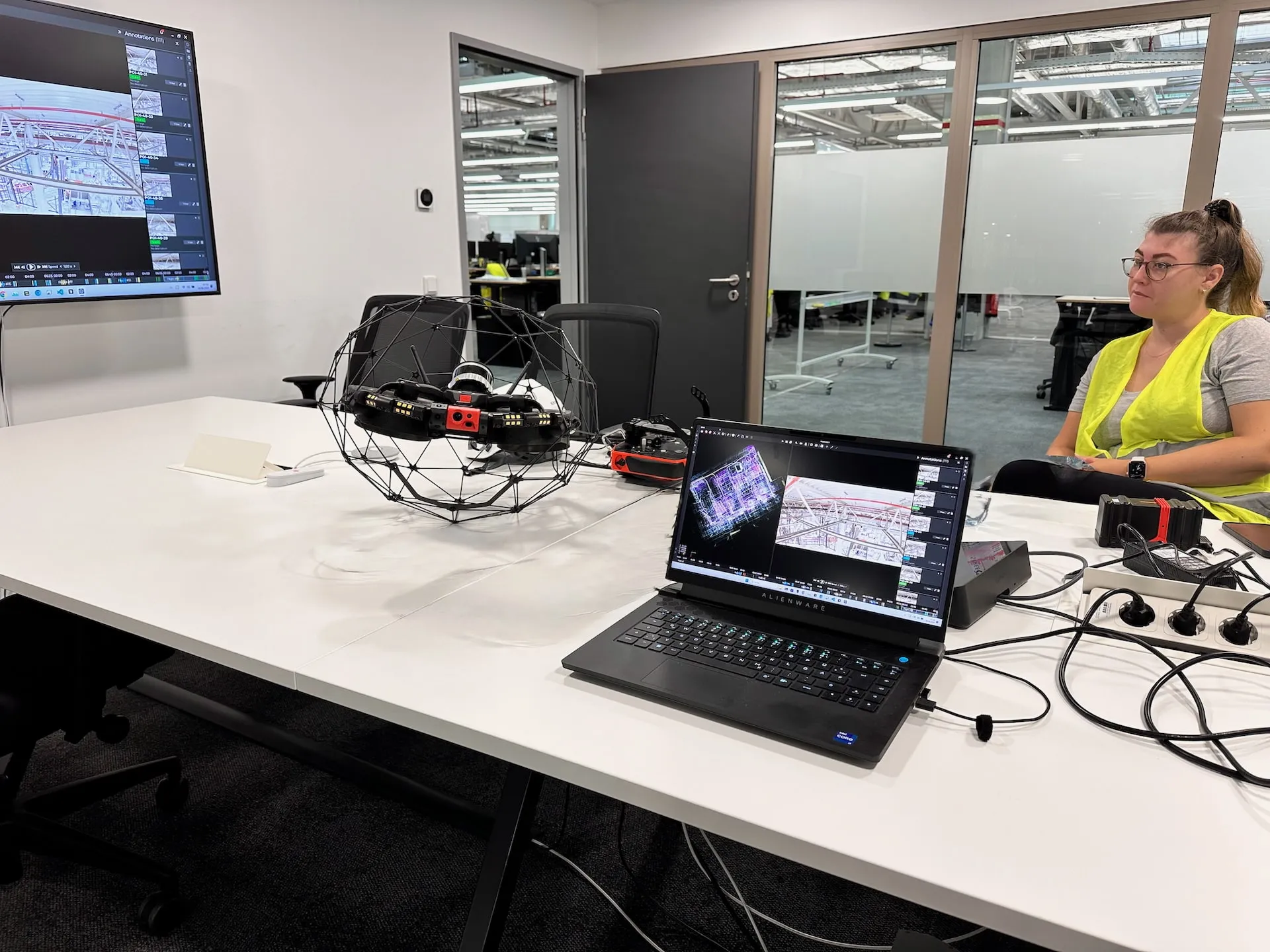
- Expert on-site: The expert sees the live feed and can mark areas in real time for closer inspection – the pilot flies to those points directly.
- Joint evaluation: After the flight: joint review of the data. The expert assesses; we deliver the data and technical context.
- Report to their standards: Our inspection report is formatted so it serves as an appendix to the expert's own report. No duplication of effort, no formatting conflicts.
Conclusion: Drone Data as a Compliance Tool
Drone inspection is not a compliance risk – it is a compliance tool. Properly documented, drone data delivers more, more reproducible and more objective information than manual inspections.

We support you in integrating drone inspection seamlessly into your compliance process – from initial consultation to inspector-ready report.
Related Services
- Industrial Inspection – Standard-compliant drone inspection with seamless documentation for auditors.
- Confined Space Inspection – Safe inspection of confined spaces without human entry per DGUV.
- Tank Inspection – Drone-assisted tank inspection with auditor-ready findings documentation.
- Boiler Inspection – Boiler inspection with 4K video and LiDAR for BetrSichV documentation.
- Chimney Inspection – Condition survey of chimneys and flue gas ducts by drone.
- Chemical Industry – Inspection of reactors, columns and pipelines in chemical plants.
Your Contacts
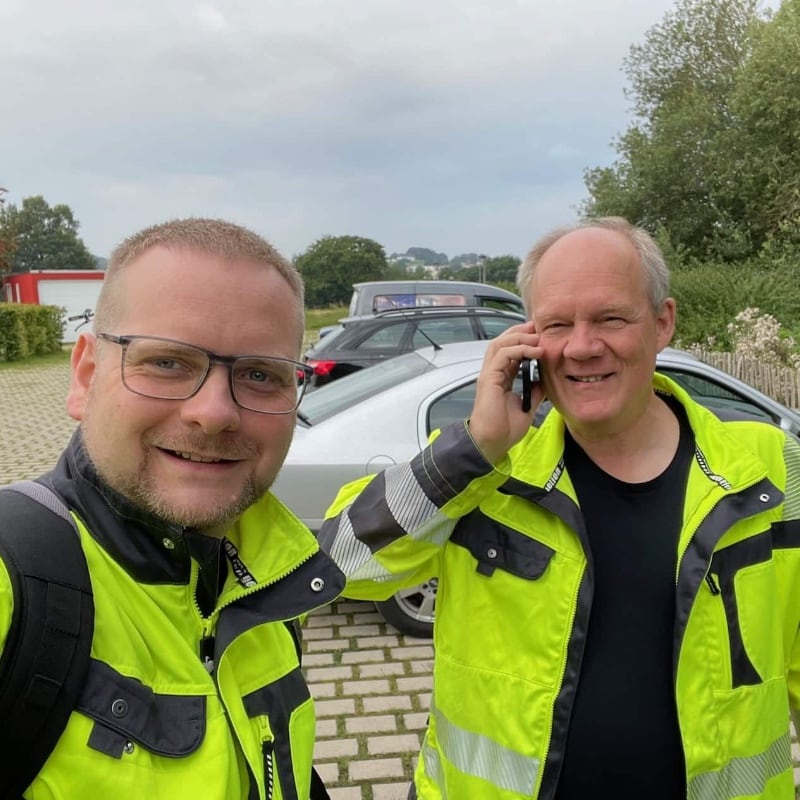
Christian Engelke and Dipl.-Ing. Karsten Lehrke – your direct contacts for inspection data, compliance and expert coordination.
We advise you on integrating drone inspection into your compliance process – including coordination with your inspection organisation. Straightforward and competent.
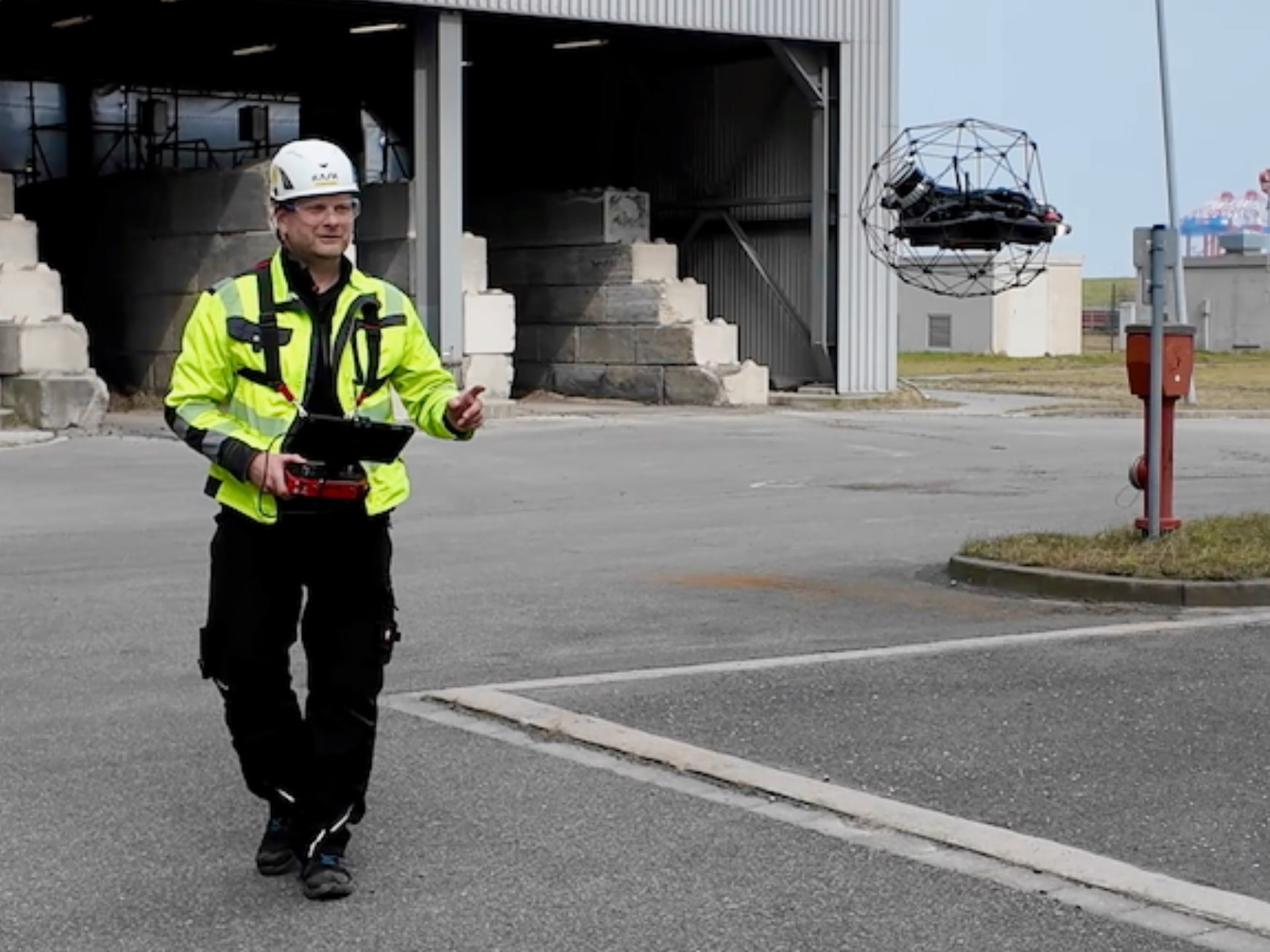 Christian
Founder & Drone Pilot
Christian
Founder & Drone Pilot
 Karsten
Project Manager
Karsten
Project Manager
 Philipp
Founder, Operations & Logistics
Philipp
Founder, Operations & Logistics
 Juliana
Drone Pilot
Juliana
Drone Pilot
 Stephan
Operations & Logistics
Stephan
Operations & Logistics
Frequently Asked Questions: Drone Inspection and Compliance
Does TÜV accept drone inspections?
It depends on the specific inspection scope and the responsible expert. There is no blanket answer. Our experience: many TÜV experts accept drone-based VT data as a valuable supplement or as the basis for hybrid inspection. We recommend pre-flight coordination in advance.
Can drone data fully replace a manual inspector?
For certain inspection scopes (pure visual condition survey) this is already feasible in practice. For contact-based testing (UT, MT) and formal sign-offs, the expert remains indispensable. Hybrid inspection combines both optimally.
What data formats do you provide?
PDF report, 4K video (.mp4), LiDAR point cloud (.las/.e57), radiometric thermal images (.csv/.tiff), annotated still images (.jpg/.png). All formats are compatible with standard CAD/BIM systems and inspection management software.
How long is inspection data retained?
We archive all raw data for at least 10 years – for subsequent damage progression monitoring and evidential purposes. You also receive all data as your own copy.
Can drone inspection help with insurance premiums?
That is your insurer's decision. Regular, high-quality inspection documentation can serve as proof of proactive maintenance – which with some insurers can lead to better terms. We deliver the data; you discuss the implications with your insurer.
Inspection Data That Convinces Auditors
We advise you on integrating drone inspection into your compliance process – including coordination with your inspection organisation. Without obligation and competently.