
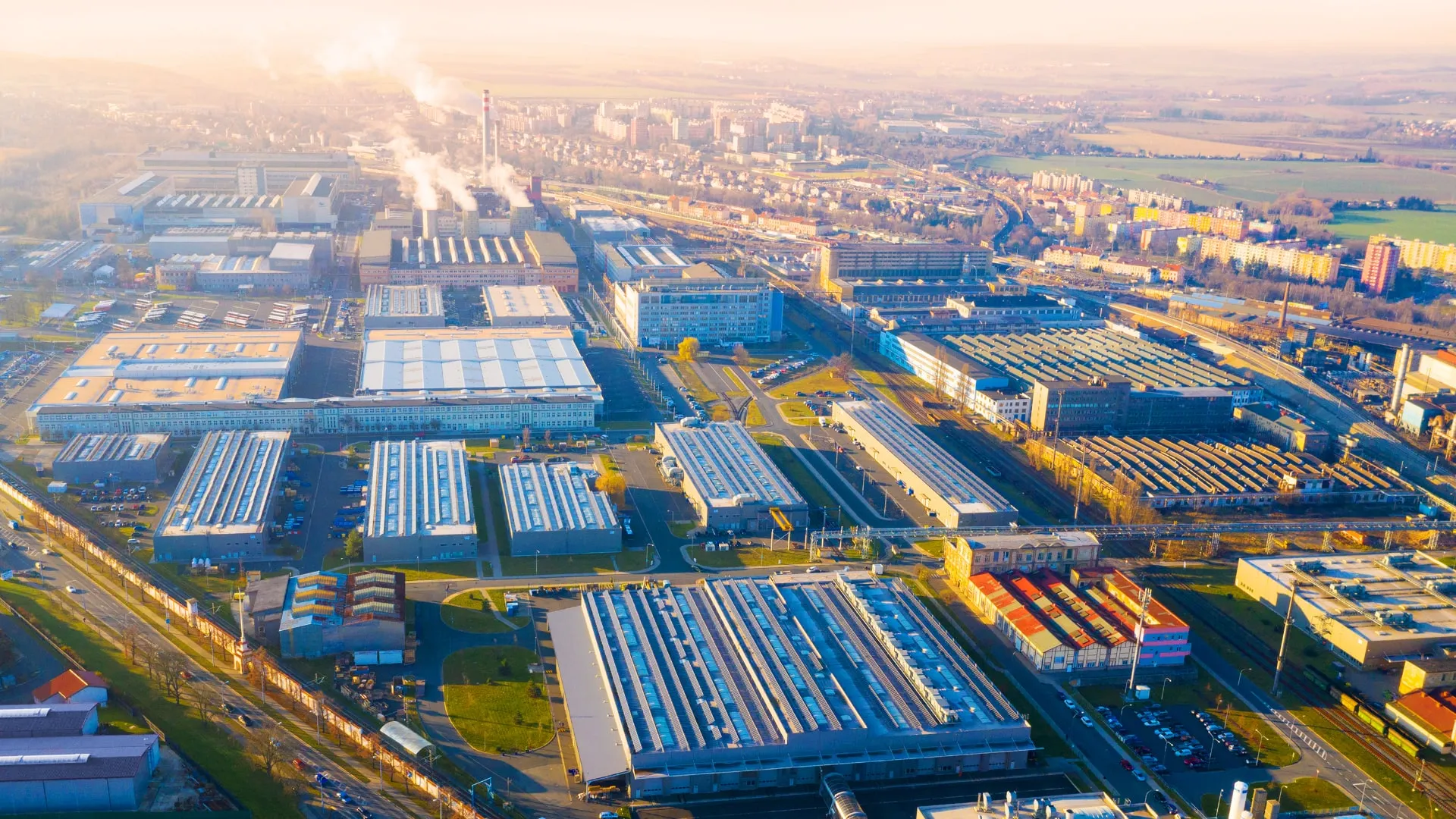
Industrial Sites in Germany – Ageing Plants, New Inspection Methods
Ageing plants, rising safety requirements, tight shutdown windows: why remote inspection is becoming the standard at German industrial sites. Kopterflug has carried out inspections at the country’s most demanding facilities since 2017.
Ageing Infrastructure, Rising Requirements
Many major German industrial plants are 30 to over 100 years old. Blast furnaces in the Ruhr, chemical reactors along the Rhine, power plant boilers in Lusatia – all were built at a time when neither drones nor digital inspection methods existed. At the same time, requirements are increasing: the Betriebssicherheitsverordnung (BetrSichV), TRBS regulations and sector-specific standards demand ever more frequent, ever better documented condition inspections.
Three drivers are shaping the change:
- Safety – Every avoided entry into a boiler, tank or reactor is a safety gain. DGUV 113-004 sets clear requirements for work in vessels and confined spaces. Drones inspect where people need not enter.
- Cost reduction – Scaffolding, industrial climbers, elevated work platforms: conventional access technology is the largest cost block in inspections. Remote inspection by drone dramatically reduces this effort.
- Shorter downtimes – Every day of shutdown costs money. A drone inspection takes hours instead of days and simultaneously delivers better documentation: 4K video, thermography, LiDAR 3D survey.
Kopterflug has specialised in exactly these challenges since 2017. As pioneers of indoor drone inspection in Germany, we have carried out numerous deployments at the country’s most important industrial sites – with experience working with TÜV, DEKRA and other testing organisations.
Since 2017 we have been inspecting Germany’s most demanding industrial plants by drone – as one of the first providers of indoor drone inspection in confined spaces.
Chemicals & Petrochemicals – Germany’s Largest Chemical Parks
The German chemical industry is the largest in Europe. At major sites, thousands of notifiable plants are concentrated in a small area – reactors, columns, pressure vessels and storage tanks for hazardous substances. ATEX zones, toxic atmospheres and narrow manholes make conventional personnel entry a serious safety risk. The Flyability ELIOS 3 inspects vessels and columns without personnel entry – faster, safer and with complete 4K documentation. This not only saves scaffolding costs but shortens turnarounds by days.


Steel & Heavy Industry – The Backbone of the German Economy
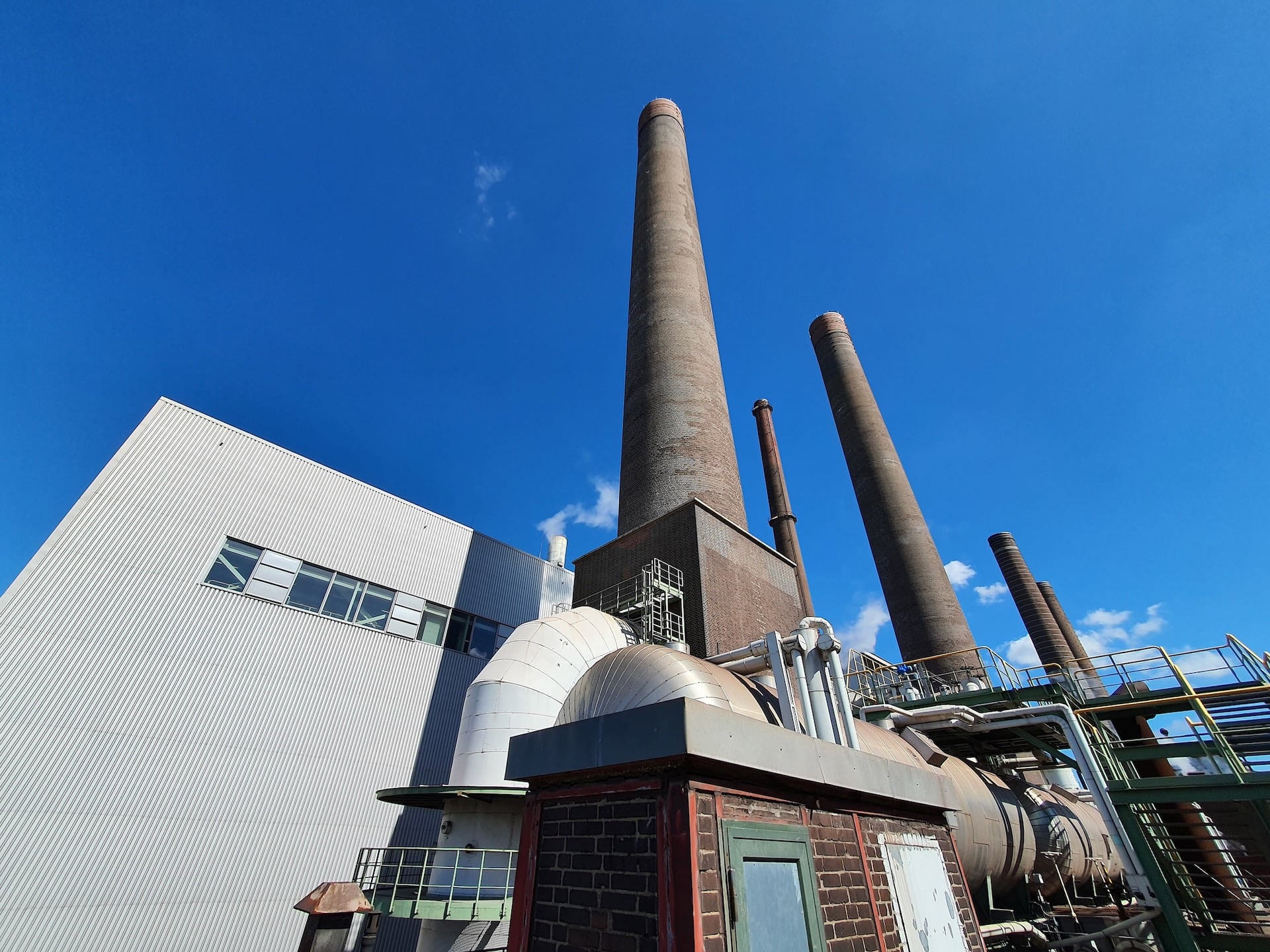
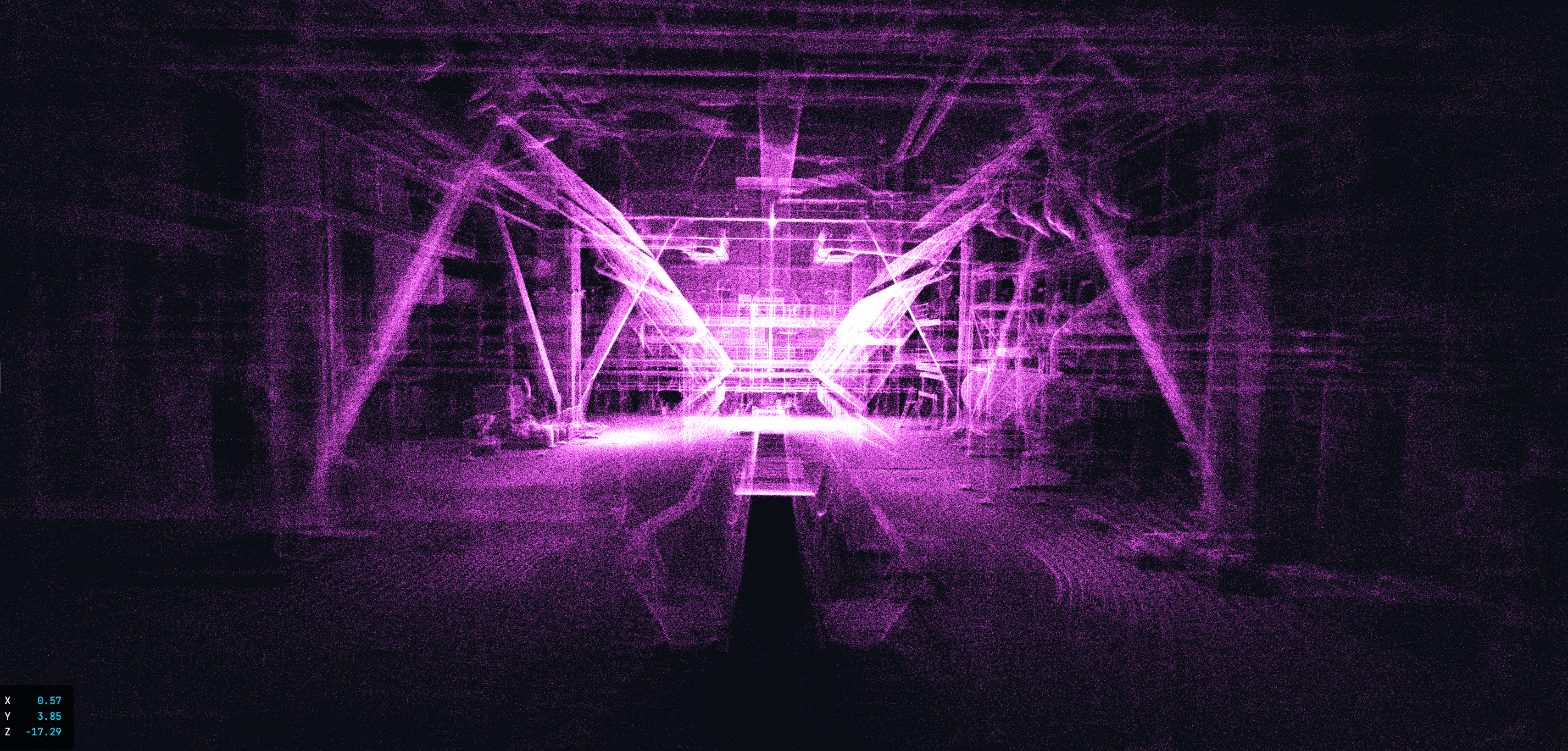
40 million tonnes of crude steel per year – and plants that are among the most extreme inspection environments of all. Temperatures of several hundred degrees, dust, confined spaces and heights of over 100 metres. Conventional inspections with scaffolding and rope access are not just expensive here, but dangerous. Our drone inspections deliver visual and thermographic data from blast furnaces, converters and top gas pipelines – without anyone having to enter. This significantly reduces shutdown times during revisions and makes condition assessment safer.
Energy Generation & Power Plants – Inspection Under Extreme Conditions
Whether fossil power plant or nuclear plant in decommissioning – inspection requirements are immense. Power plant boilers 80 metres high, refractory linings, flue gas ducts, cooling towers and chimneys must be checked for corrosion, cracks and thermal damage. Conventionally this means weeks of scaffolding erection in the shut-down boiler. With our drone we are done in hours – and the boiler is back online sooner.
Refineries & Oil/Gas – Inspecting Critical Infrastructure
Over 100 million tonnes of crude oil per year – processed in highly complex plants with columns up to 80 metres high, crackers, heat exchangers and kilometres of pipelines. In refineries every turnaround day counts: one week of shutdown costs millions. Drone inspections dramatically shorten the revision phase – we record the condition of columns, vessels and pipelines in hours instead of days, without scaffolding or unnecessary personnel deployment in ATEX zones.
Shipyards & Maritime Industry – Inspection in Drydocks and Engine Rooms
Ballast tanks, cargo holds, hull structures – the maritime industry is characterised by confined spaces under time pressure. Every day a ship spends in drydock costs money. With the Flyability ELIOS 3 we inspect ballast tanks, cargo holds and engine rooms without personnel entry – results in hours instead of days. The inspection data is so detailed that classification societies accept it as a basis for their assessments.
Automotive Industry – Production Halls and Paint Shops
Production halls over 1 million square metres in area and ceiling heights up to 30 metres – the German automotive industry operates some of the largest production facilities in the world. Hall roofs, crane runways, ventilation systems and fire protection installations must be regularly inspected. Drone inspections work during live production or in short production breaks – without shutdown, without access technology, with LiDAR survey for precise condition documentation.
Cement, Building Materials & Mining
Rotary kilns at over 1,400 °C, dust-laden clinker coolers, 40-metre silos – the cement industry is one of the harshest inspection environments. Drones with thermography detect hotspots in refractory linings early; LiDAR 3D scans document wear to centimetre accuracy. In mining, drones enable safe inspection of tunnels, shafts and slopes – without sending personnel into potentially unstable areas.
Food & Pharma – Hygiene Meets Inspection Obligation
Freedom from contamination is the top priority. The Flyability ELIOS 3 leaves no residues and can be decontaminated after each deployment. Warehouses, cold stores, ventilation systems and clean room ceilings are inspected without contact.

Related Services
Frequently Asked Questions
At which industrial sites in Germany does Kopterflug carry out inspections?
We operate nationwide – from chemical parks in Ludwigshafen and Leverkusen through steelworks in Duisburg and Salzgitter to refineries in Karlsruhe, power stations in Lusatia and shipyards on the North Sea and Baltic. Our experience covers all major industrial sectors and site types in Germany.
Which inspection methods are used at different industrial sites?
We deploy different methods depending on the site and requirements: the Flyability ELIOS 3 for confined spaces (tanks, reactors, boilers, ballast tanks), the DJI M30T for external inspections (chimneys, facades, roof structures). Sensors include 4K video, thermography, LiDAR 3D survey and optional gas sensing. The concept is tailored individually to the respective site and regulatory requirements.
How are inspections in ATEX zones carried out?
In explosion-hazardous areas (e.g. chemical parks, refineries), we deploy the Flyability ELIOS 3, which is designed for confined space use. Before every deployment in ATEX-relevant areas, a detailed risk assessment is prepared and agreed with the operator. Optionally, an LEL gas sensor can be mounted on the drone to detect flammable gases in real time.
Can a drone inspection take place during live operation?
Yes, in many cases inspection without production interruption is possible. For external inspections (chimneys, pipe bridges, roof structures) live operation is no obstacle. For internal inspections it depends on the plant type: power plant boilers generally need to be shut down, while storage tanks and halls can often be inspected during operation.
How are inspection results documented?
Every inspection is comprehensively documented: 4K videos and high-resolution photos with georeferenced findings, LiDAR 3D point clouds for surveying and digital twins, thermography reports with temperature mapping, detailed inspection report with defect catalogue and recommendations. The data is compatible with common asset management systems and can be used directly for coordination with TÜV and DEKRA.
What does a drone inspection at an industrial site cost?
Costs depend on scope, plant type and accessibility. Generally drone inspections are 60–80% cheaper than conventional methods, since no scaffolding, no elevated work platforms and no personnel entry are required. We provide project-specific quotations after a free feasibility check.
Inspection at Your Industrial Site
Free initial consultation for your inspection project – nationwide, across all sectors, since 2017.