
Inspection Authorities & Classification Societies – Overview for Plant Operators
Who inspects your plant? Zugelassene Überwachungsstellen (ZÜS – authorised inspection bodies) in Germany and classification societies worldwide – an overview for operators. Plus: how Kopterflug drone inspections fit into the process.
- ZÜS in Germany – TÜV SÜD, TÜV NORD, TÜV Rheinland, DEKRA, GTÜ, SGS-TÜV Saar and others
- IACS classification societies – DNV, Bureau Veritas, Lloyd’s Register, ABS and 8 more
- Drone & ZÜS together – how drone data becomes the basis for official inspections
- Kopterflug role – we deliver data, the inspector decides
Who May Inspect Industrial Plants?
Recurring inspections per BetrSichV may not be carried out by arbitrary persons. Depending on the plant type there are clear stipulations as to who may inspect:
- Zugelassene Überwachungsstellen (ZÜS) for überwachungsbedürftige Anlagen (pressure equipment, lifts, Ex-zone plants) per § 15 BetrSichV
- Befähigte Personen (competent persons) per TRBS 1203 for other work equipment (tanks, silos, racking, chimneys)
- Classification societies for ships and maritime facilities per IACS rules and IMO standards
ZÜS authorisation is granted by the Zentralstelle der Länder für Sicherheitstechnik (ZLS) in Munich and published by the BAuA. Inspection bodies must meet stringent requirements for independence, competence and quality assurance.
Disclaimer: This article is for general information purposes and does not replace legal advice. Inspectomatic GmbH accepts no liability for accuracy, completeness or currency. The authoritative text is the current ZÜS list of the BAuA.
ZÜS – Authorised Inspection Bodies in Germany
Authorised inspection bodies are licensed under the Überwachungsanlagengesetz (ÜAnlG) and BetrSichV for the inspection of überwachungsbedürftige Anlagen. Their scope covers:
- Pressure equipment: pressure vessels, steam boilers, pipework (Annex 2 No. 4 BetrSichV)
- Lift installations: passenger and goods lifts (Annex 2 No. 2 BetrSichV)
- Explosion protection: plants in Ex zones (Annex 2 No. 3 BetrSichV)
The ZÜS prepares the inspection report, sets the date of the next inspection and reports serious defects to the supervisory authority. Without a valid ZÜS inspection report a überwachungsbedürftige Anlage may not be operated.
The Main ZÜS in Germany
Classification Societies – IACS Members
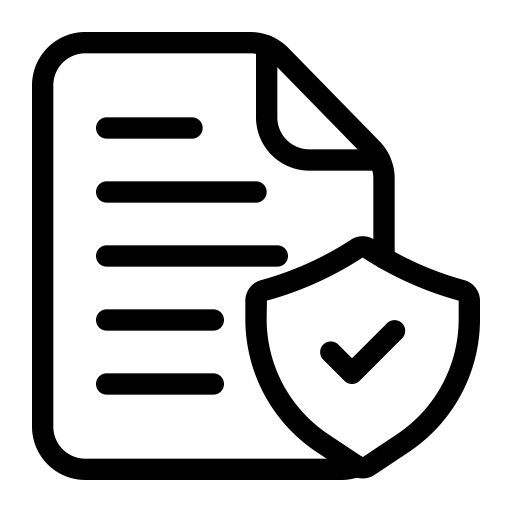
For ships, offshore platforms and maritime facilities the classification societies of the International Association of Classification Societies (IACS) are responsible. They classify, certify and inspect ships to international standards (IMO, SOLAS, MARPOL).
IACS members cover over 90% of the world’s merchant fleet. Their surveyors inspect ship hulls, ballast tanks, cargo holds, engine rooms and offshore structures. Drone inspections are gaining increasing importance here – particularly for the inspection of ballast tanks and cargo holds that qualify as confined spaces.
Several IACS members (including DNV, Bureau Veritas and Lloyd’s Register) already accept drone inspections as a supplementary inspection method for class renewal of ballast tanks and cargo holds.
The 12 IACS Members at a Glance
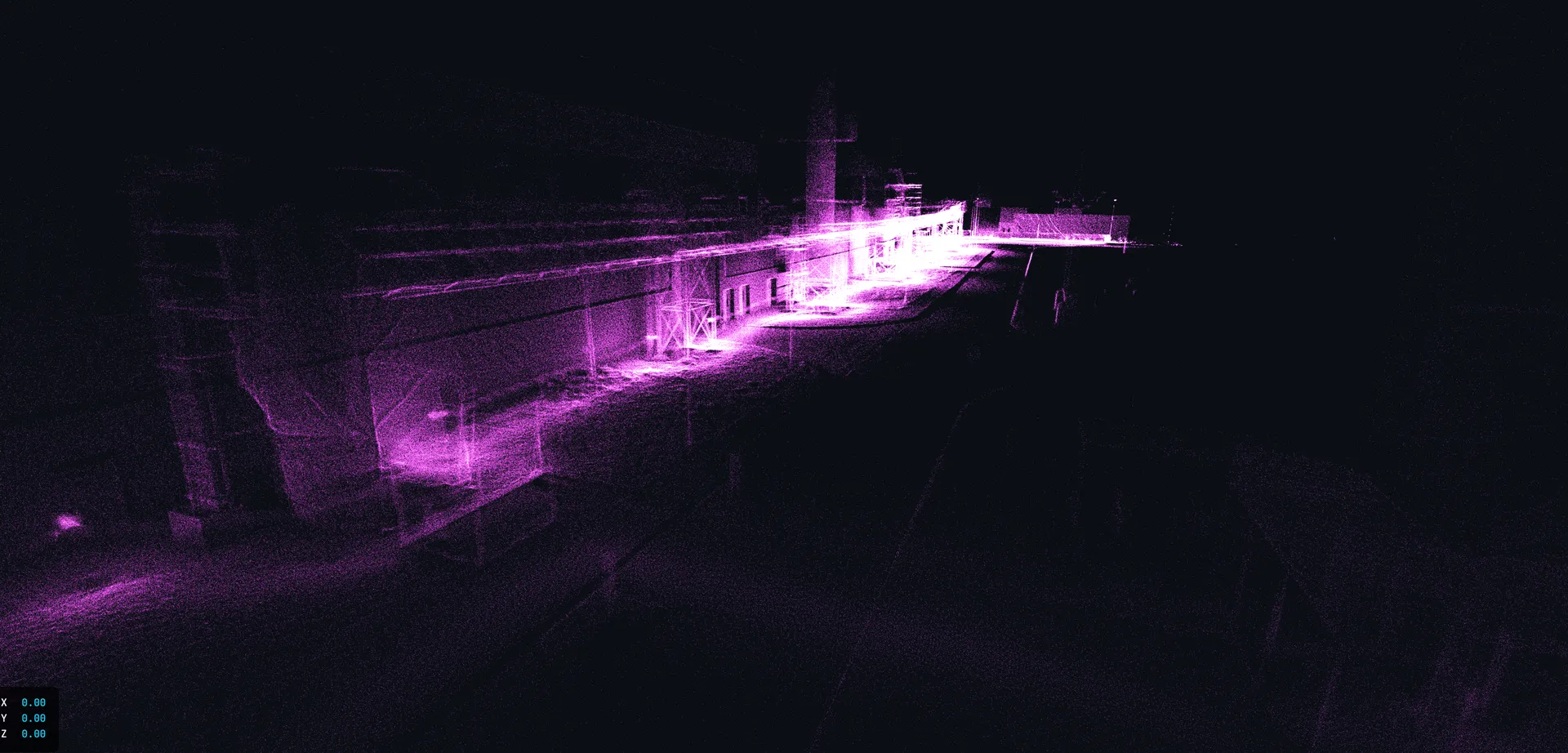
The Drone in Conjunction with Inspection Authorities
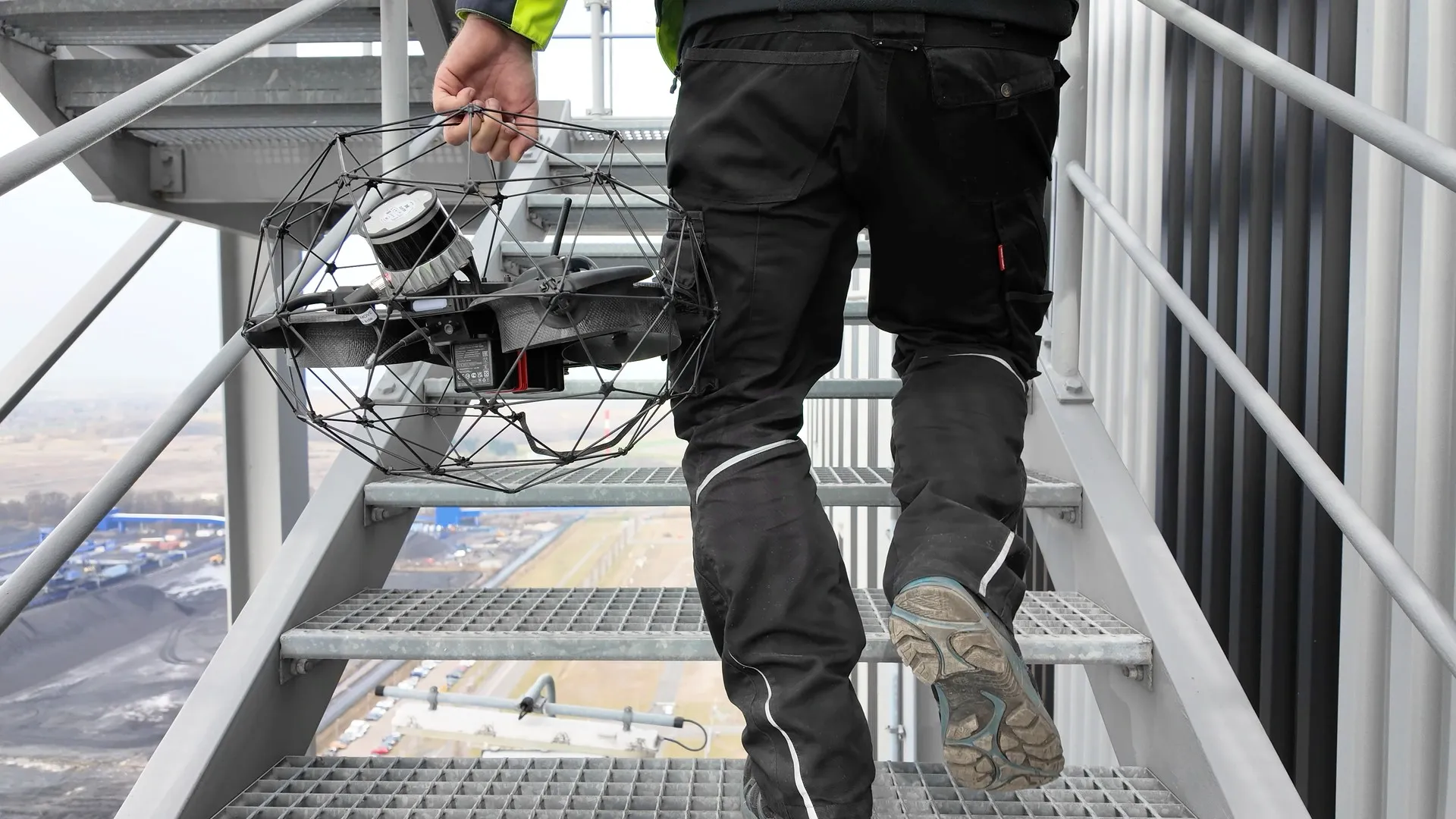
Kopterflug is not an inspection authority. We are not a TÜV, not a DEKRA, not a ZÜS and not a classification society. Our role is clearly defined:



Conclusion: The Right Inspection Authority for Your Plant
For industrial plants in Germany:
- Überwachungsbedürftige Anlagen (pressure equipment, boilers, Ex-zone plants): ZÜS required – TÜV SÜD, TÜV NORD, TÜV Rheinland, DEKRA, GTÜ or SGS-TÜV Saar
- Other work equipment (tanks, silos, racking): Competent person per TRBS 1203 sufficient
For ships and maritime facilities:
- Select classification society (in Germany usually DNV, Bureau Veritas or Lloyd’s Register)
- Surveyor coordinates inspection programme
In both cases: The drone can make the inspection process more efficient, safer and more cost-effective. Kopterflug works with all of the inspection authorities listed above.


Your Contact

Project Manager
We work with all major inspection authorities and coordinate drone deployment in the inspection process – so that your ZÜS assessor gets exactly the data they need.
Related Services
- Tank Inspection – Internal inspection for ZÜS and competent persons
- Boiler Inspection – ZÜS inspection of steam boilers with drone data
- Ship Inspection – Ballast tank and cargo hold inspection for classification societies
- Confined Spaces – Zero-Entry concept for all inspection authorities
- Chimney Inspection – Internal and external inspection without scaffolding
- Industrial Inspection – Holistic drone inspection for all plant types
Frequently Asked Questions: Inspection Authorities
- Can I choose the ZÜS freely?
- Yes. The operator can freely choose which authorised inspection body to commission – as long as it is authorised for the relevant inspection area and federal state. In practice many operators choose the ZÜS with which they have worked for years, since it already knows the plant.
- What does a ZÜS inspection cost?
- Costs vary by plant type, inspection scope and ZÜS. Typical indicative values: pressure vessel internal inspection from approx. €500–2,000; steam boiler from approx. €1,000–3,000. Plus preparation costs (scaffolding, cleaning, gas measurement). The drone can save significantly here: no scaffolding, no rope access, shorter downtimes.
- Do ZÜS accept drone data as an inspection basis?
- In practice, drone inspection data is accepted by many ZÜS as an inspection basis for the internal inspection. The decision rests with the individual assessor. We recommend involving the assessor early – ideally present on site during the drone flight to direct the pilot in real time.
- What is the difference between a ZÜS and a classification society?
- A ZÜS (authorised inspection body) is a German institution that inspects überwachungsbedürftige Anlagen per BetrSichV – TÜV, DEKRA, GTÜ etc. A classification society (IACS member) classifies and inspects ships and maritime facilities to international standards (IMO, SOLAS). For offshore plants both may be responsible.
- Which classification society is most relevant in Germany?
- DNV is particularly relevant in Germany, as the former Germanischer Lloyd (headquartered in Hamburg) merged with Det Norske Veritas in 2013. Bureau Veritas and Lloyd’s Register are also strongly represented. For shipyards and shipping companies in northern Germany DNV is often the first choice.
- Do I need a ZÜS or a classification society for offshore wind plants?
- Both are possible. Offshore wind plants are subject to both German regulations (BetrSichV for certain components) and international standards. In practice operators often work with classification societies such as DNV that cover both the marine and the energy technology side.
Contact – Drone Inspection for Your Next Recurring Inspection
We work with all major inspection authorities. Contact us for a free consultation – we clarify how the drone can support your inspection process.